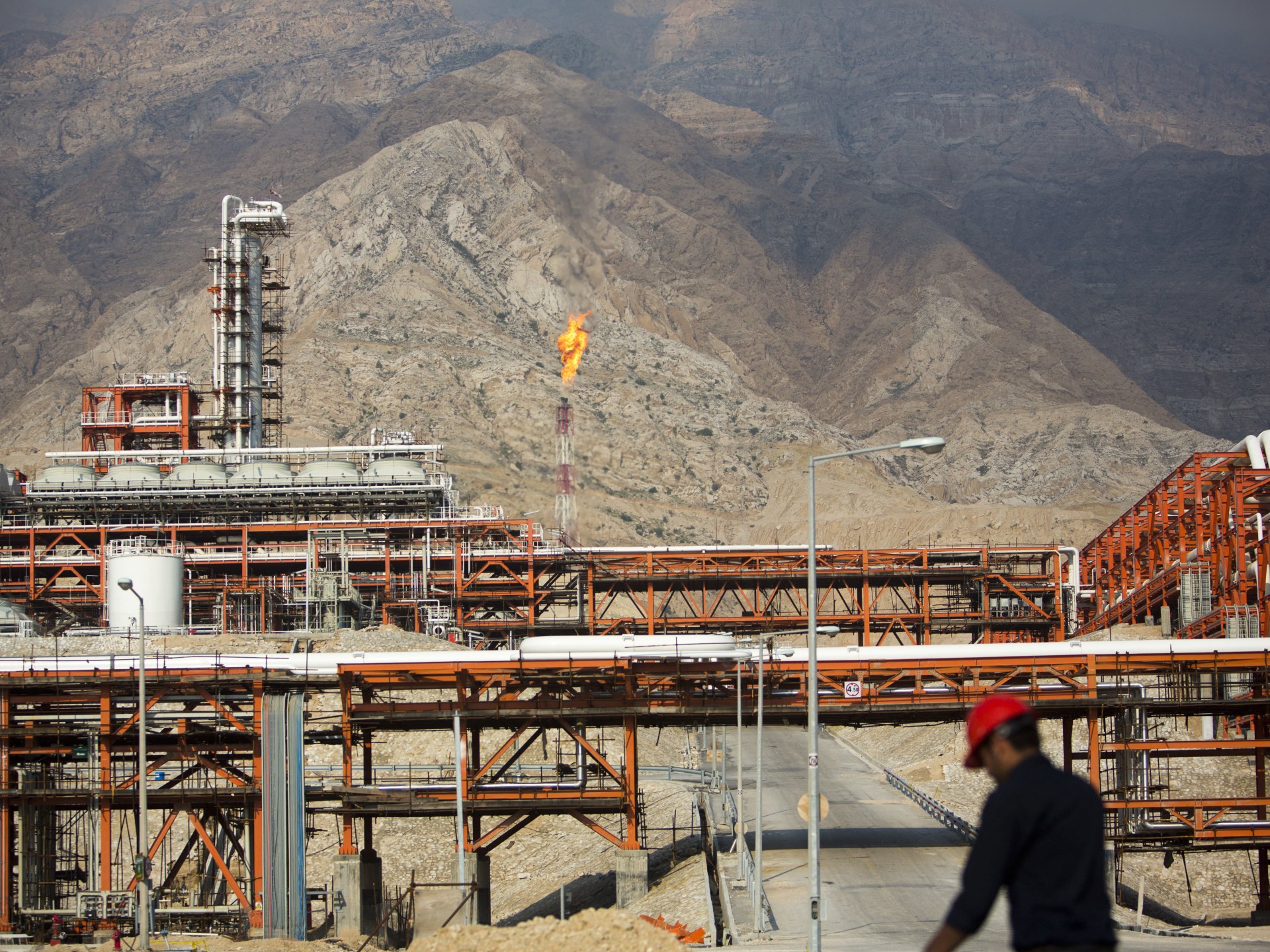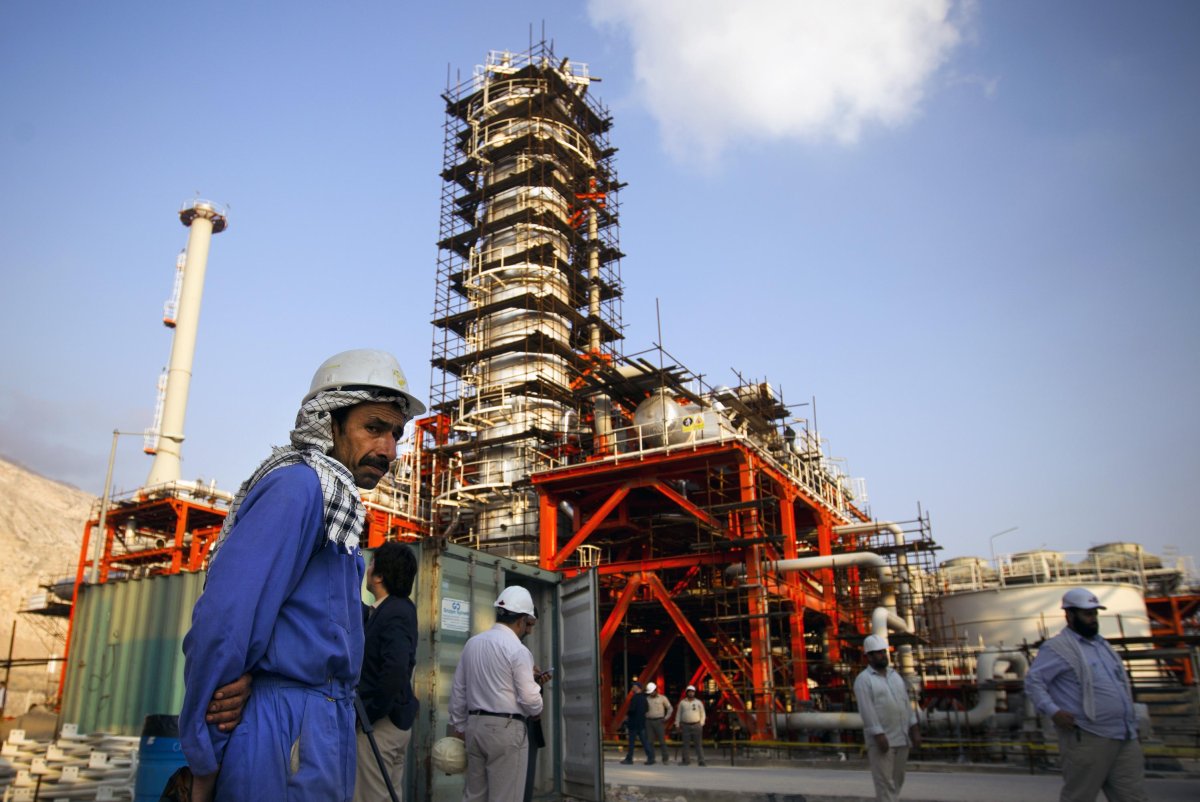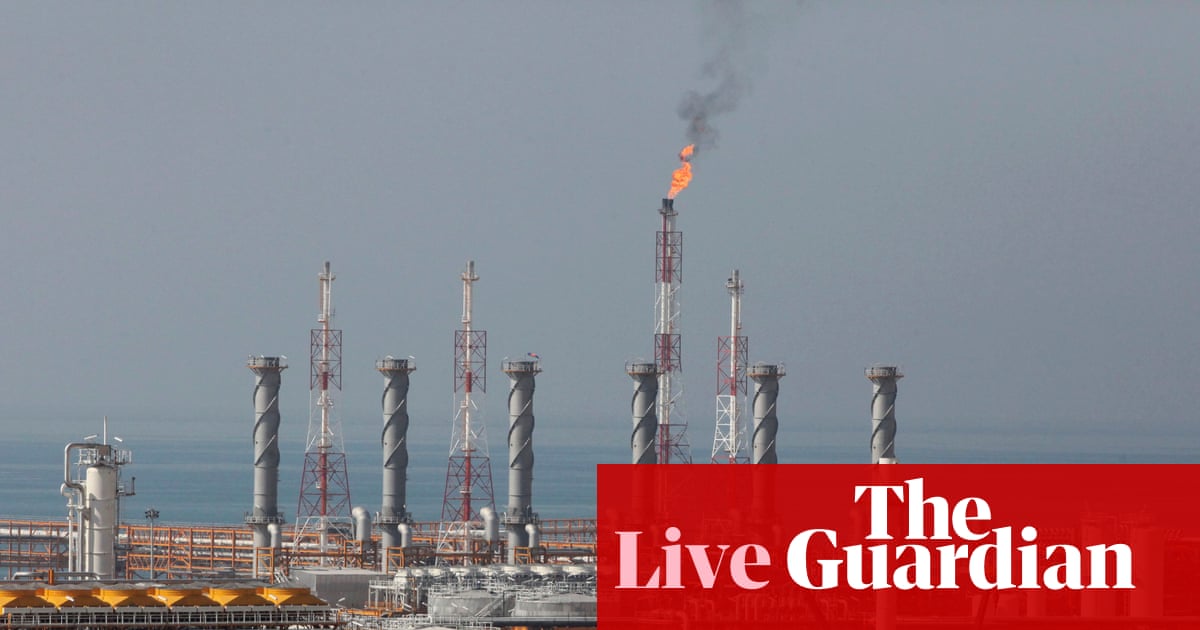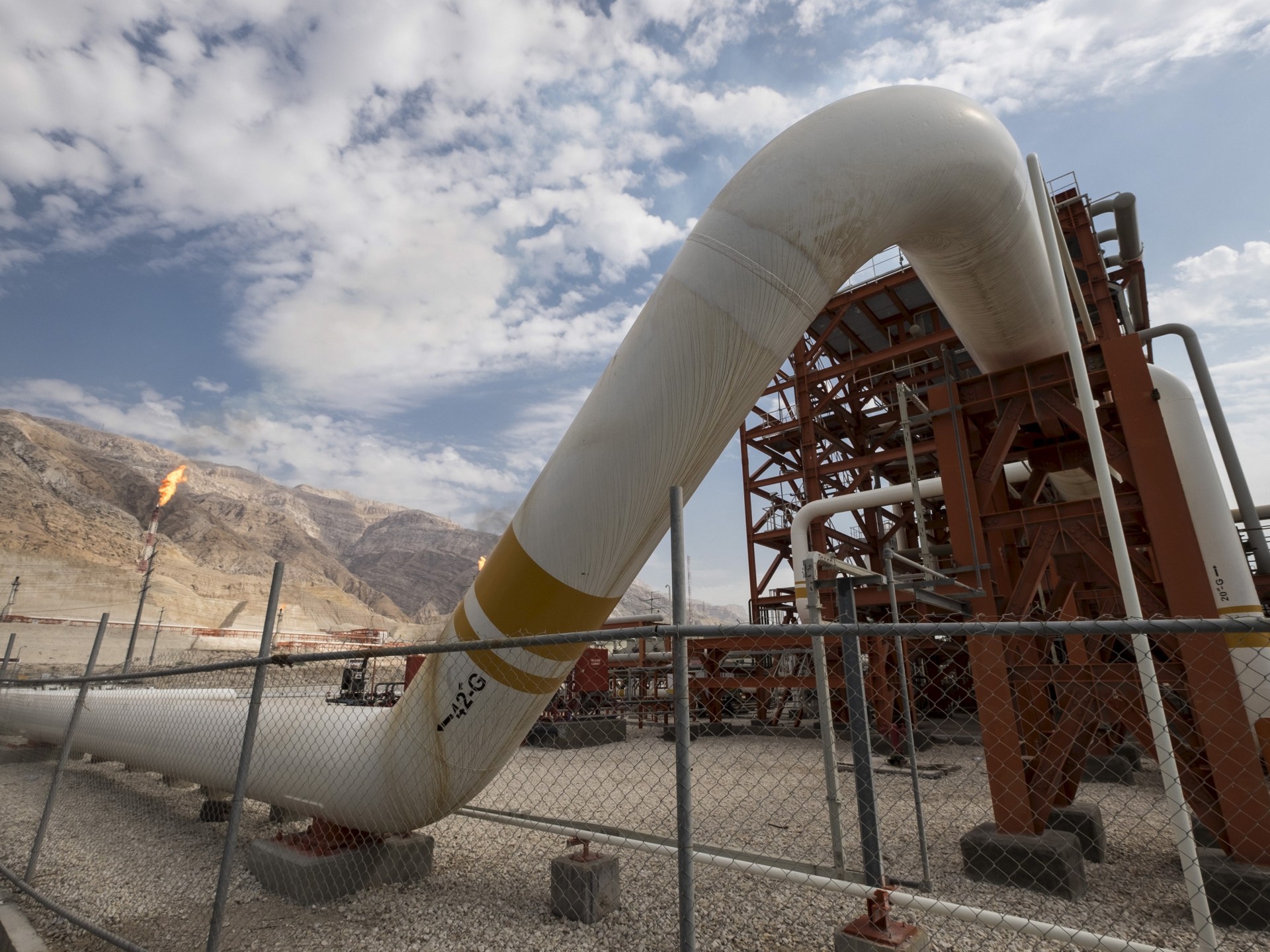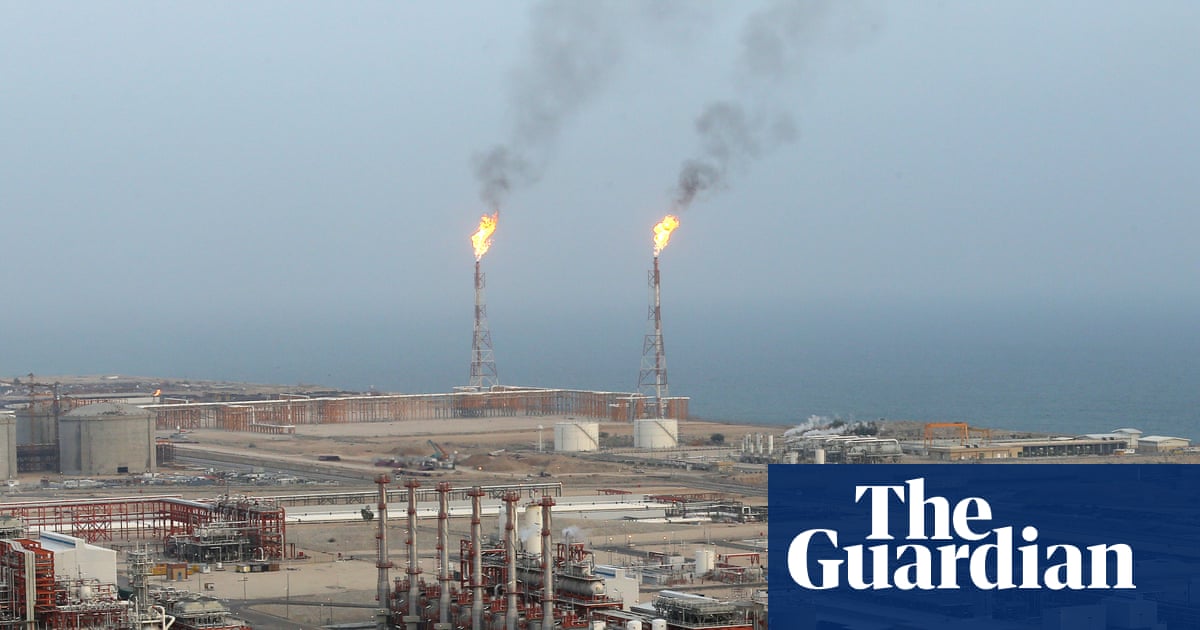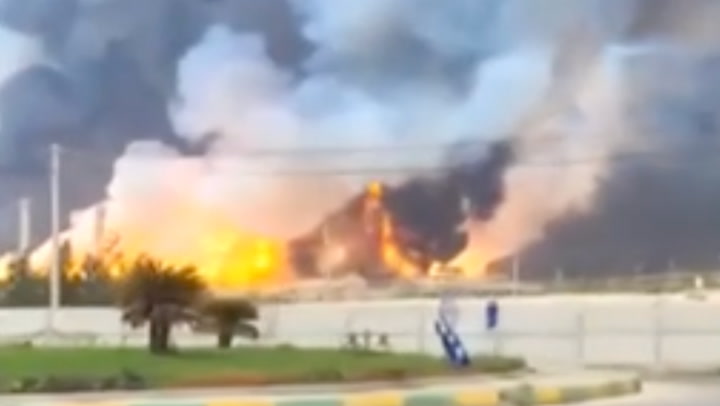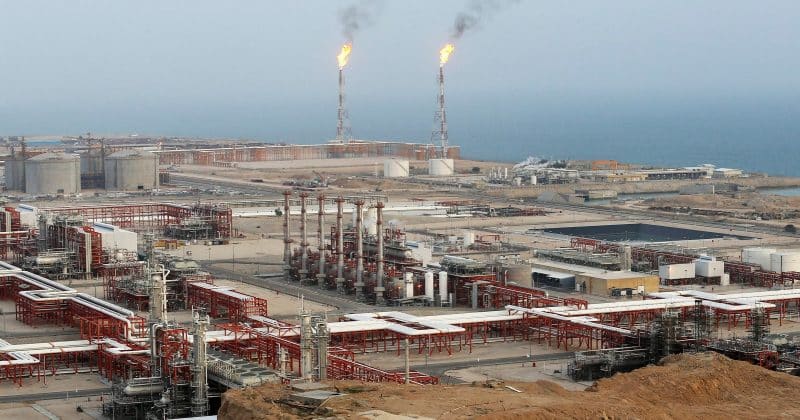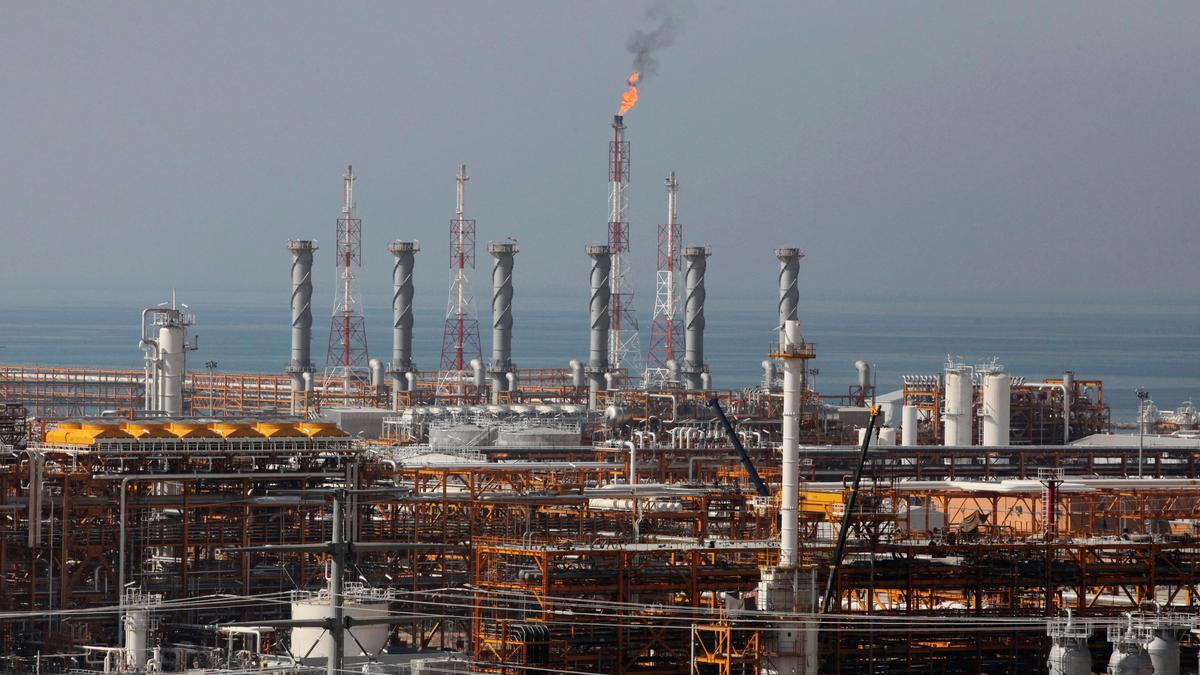
In a marked escalation of the West Asia conflict, Israel attacked Iran’s South Pars gas field, the world’s largest, shared with Qatar across the Persian Gulf, on March 18. Iran, in retaliation, launched missile attacks on energy facilities in Qatar, Saudi Arabia, the UAE, Kuwait and Israel.
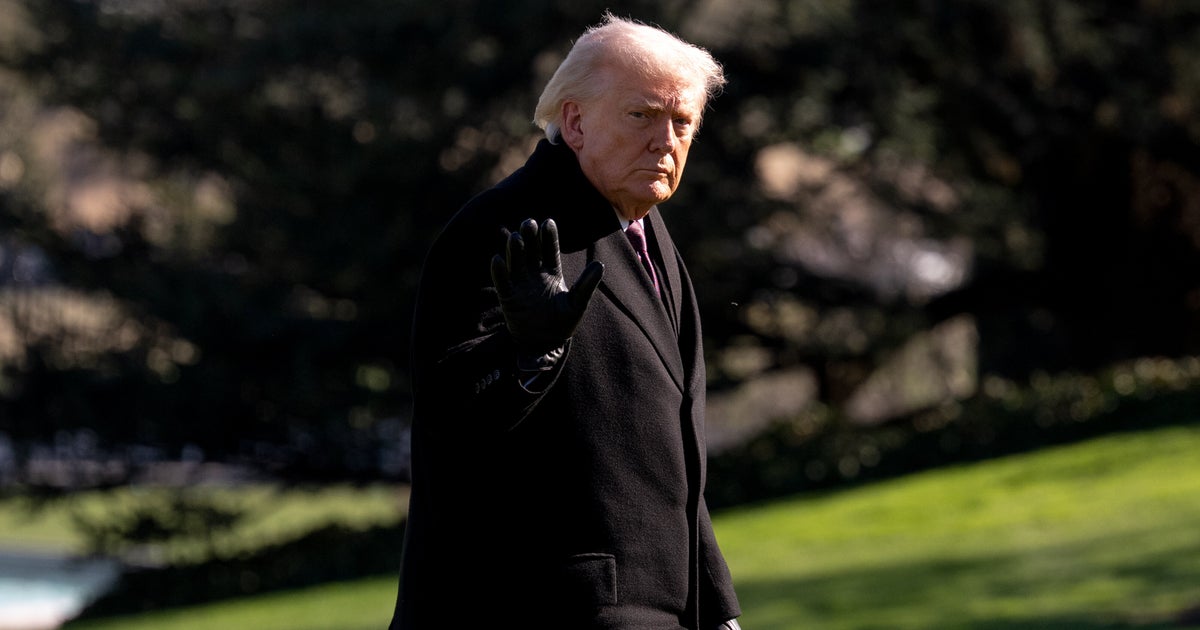
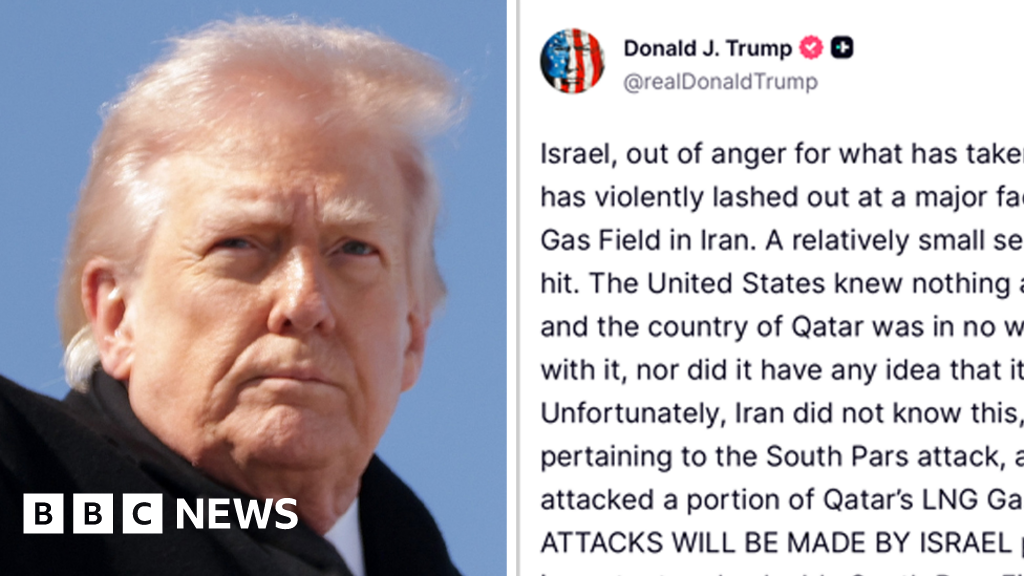
The U.S. was quick to distance itself from the attack, with President Donald Trump saying that Israel acted alone and that Tel Aviv would not target the “extremely important and valuable” site again.
Also Read: Iran-Israel war LIVE Updates
The war on Iran had already dealt a massive energy shock to the global economy by choking off exports of crude oil and LNG through the Strait of Hormuz. Brent crude rose 5% to $108.66 a barrel on March 18, while U.S. West Texas Intermediate crude rose 2.5% to $98.65 a barrel. Natural gas prices also shot up significantly. Beneath the Persian Gulf, straddling the maritime boundary between Iran and Qatar, lies a reservoir so vast it has become central to the energy economies of both countries and much of the world beyond.
Netanyahu claims Iran no longer has uranium enrichment capacity