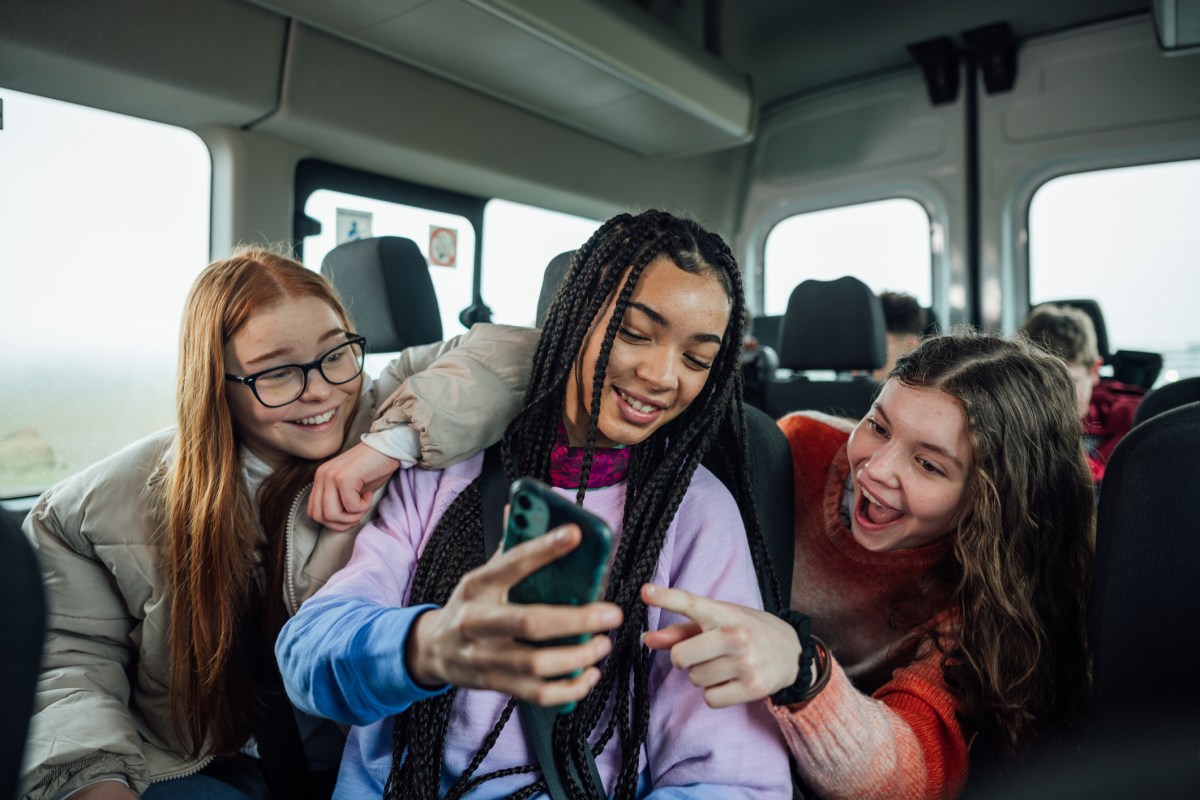
Facebook, Twitter, and MySpace once promised to bring humanity closer together. They delivered something else entirely.
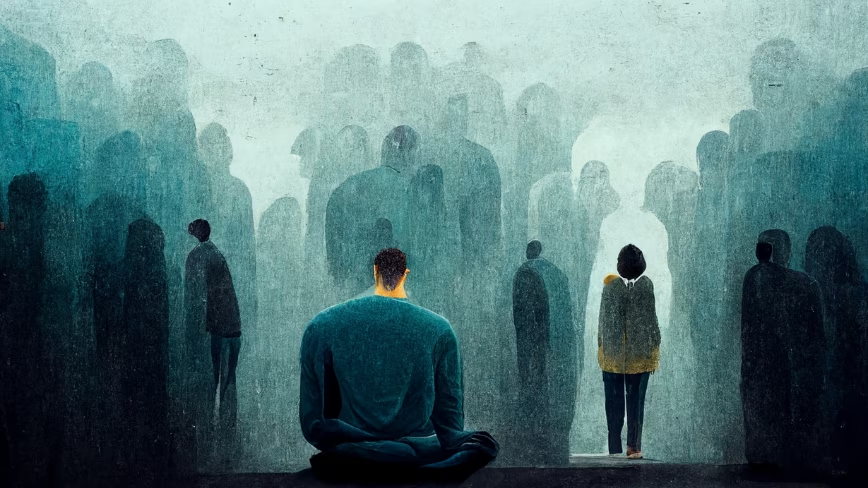
The screen economy that emerged around these apps at extraordinary speed optimized for attention. Time spent and daily active users were the twin metrics upon which this economy lived and died. Engagement loops got stickier and friction fell away from increasingly measurable interactions. The promises of internet-induced belonging, of social cohesion, of a new global intimacy all failed to materialize.
Instead, people retreated into their screens at such a scale that major social health organizations started sounding the alarm about a global loneliness epidemic. The World Health Organization found that 1 in 6 people worldwide experienced persistent loneliness, contributing to 870,000 deaths per year and costing governments billions in healthcare, employment, and education. Loneliness often manifests on balance sheets as absenteeism, which costs the U.S. economy alone $406 billion annually.
People are starving for the meaningful social connection they haven’t found online, and now they’re willing to pay. That hunger is quietly giving rise to a brand new market — and a generation of startups racing to serve it.