Forces have been stripped back since the cold war but political stasis is dangerous in the face of growing global threats
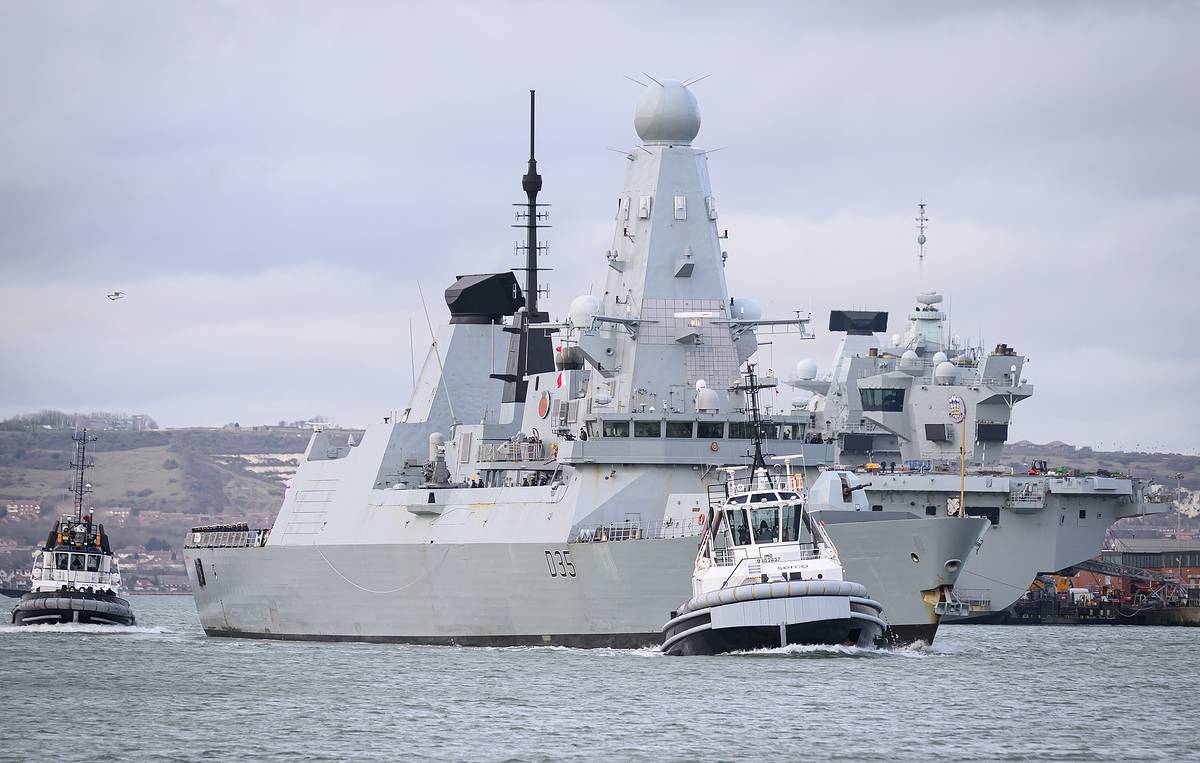
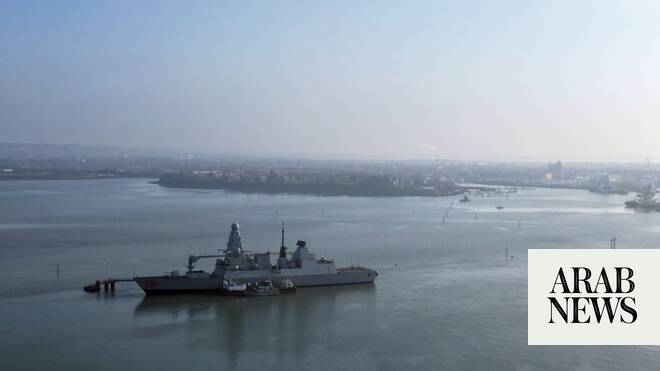
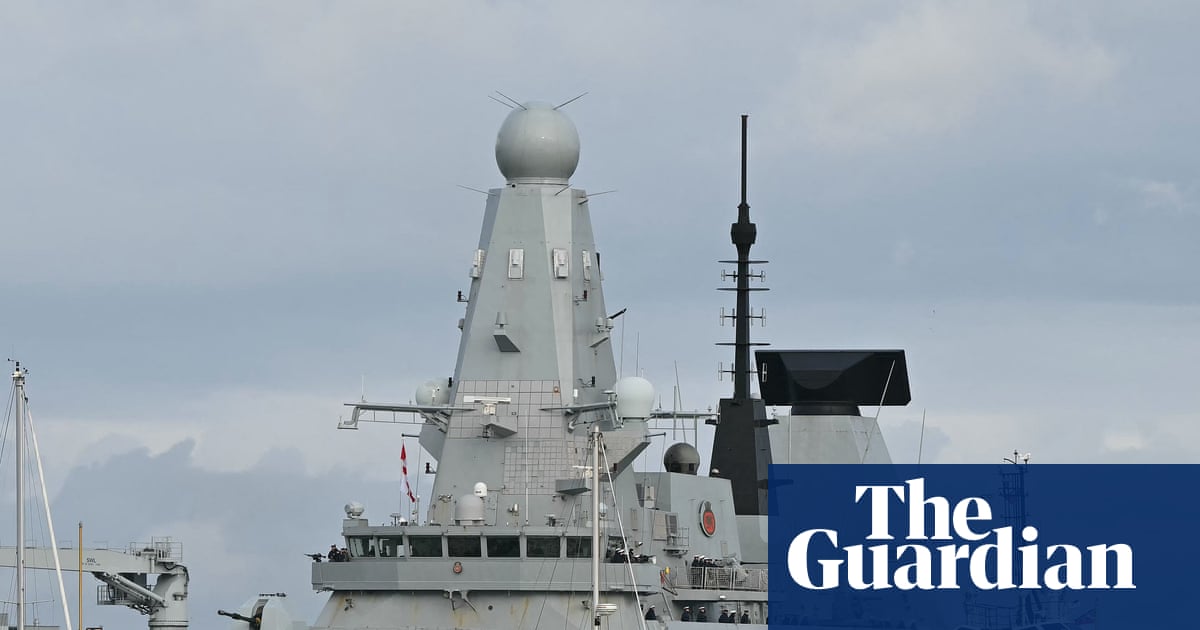
It will have been more than three weeks since the US and Israel first attacked Iran when the first British warship finally arrives off the coast of Cyprus, a belated defensive deployment that has highlighted the lack of military capacity available to the UK.
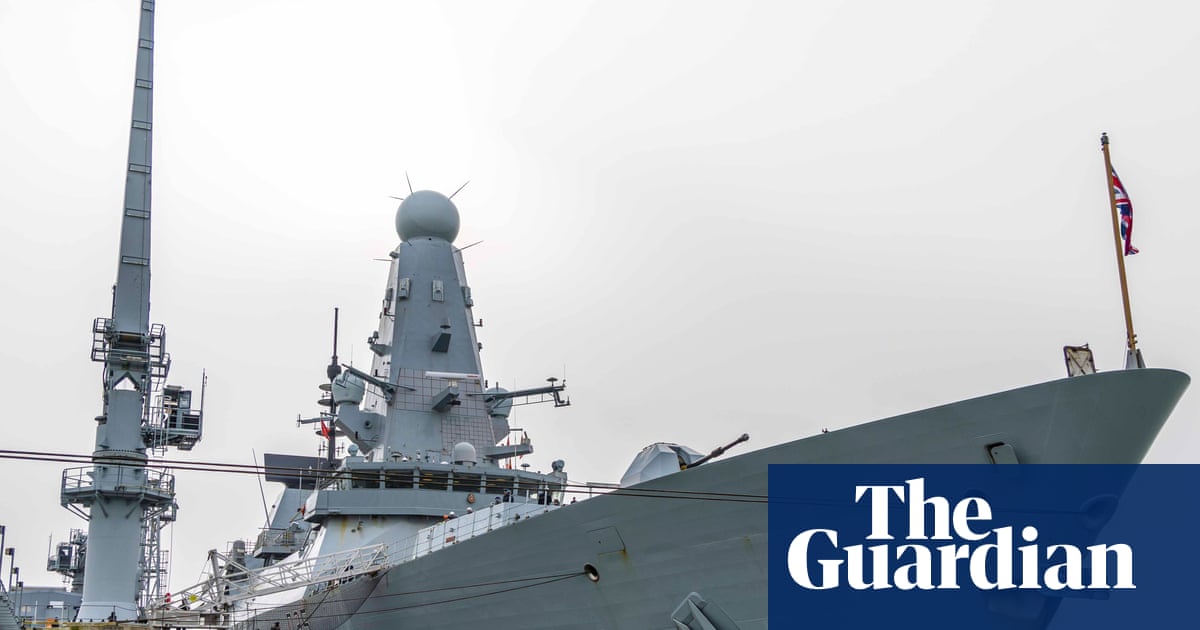
Nominally, HMS Dragon was one of three destroyers available out of six. In reality the warship has had to be hauled out of dry dock, prepared and then, after launch, tested for several days in the Channel. Its arrival date is still unconfirmed.
“It’s clear one of the military’s big problems is giving the government contingency options,” said Matthew Savill, of the Royal United Services Institute, reflecting years of spending constraints. “Numbers and capacity have been cut, though the UK has tried to argue that smaller can be better.”
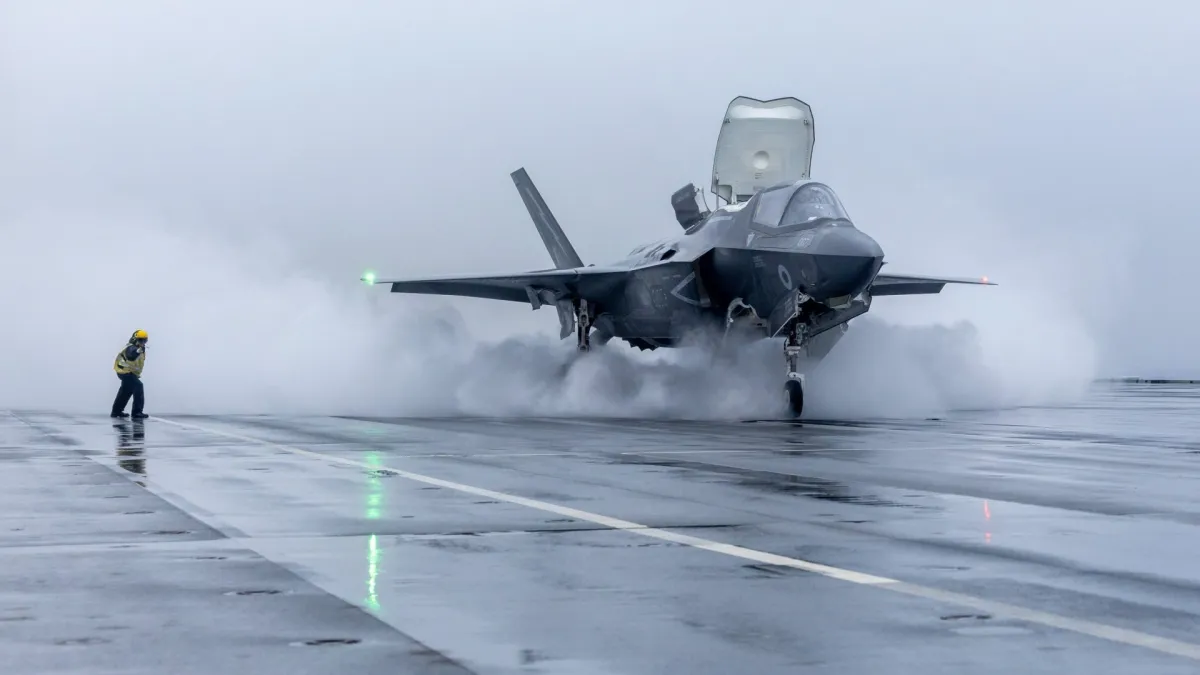
Political priorities also lay elsewhere. As the US began to build up forces in the Middle East from late January, the UK chose to stand aside. A handful of fighter jets were sent to RAF Akrotiri, in Cyprus, and Qatar early in 2026 as a modest extra layer of defence in case Iran retaliated across the region.