In this article
Salesforce announced this week that it executed the first steps in its debt-fueled $25 billion accelerated stock buyback plan. That’s half of the bigger $50 billion repurchase authorization approved in February.
Raising debt to repurchase stock is a move that deserves scrutiny.
After all, equity comes with neither the financial obligations nor the consequences of issuing debt. If a company misses a stock dividend payment, it doesn’t look good, and the stock will get hit. However, there are no legal consequences or claims to be filed. If a company defaults on debt, it will face legal issues and claims from bondholders.
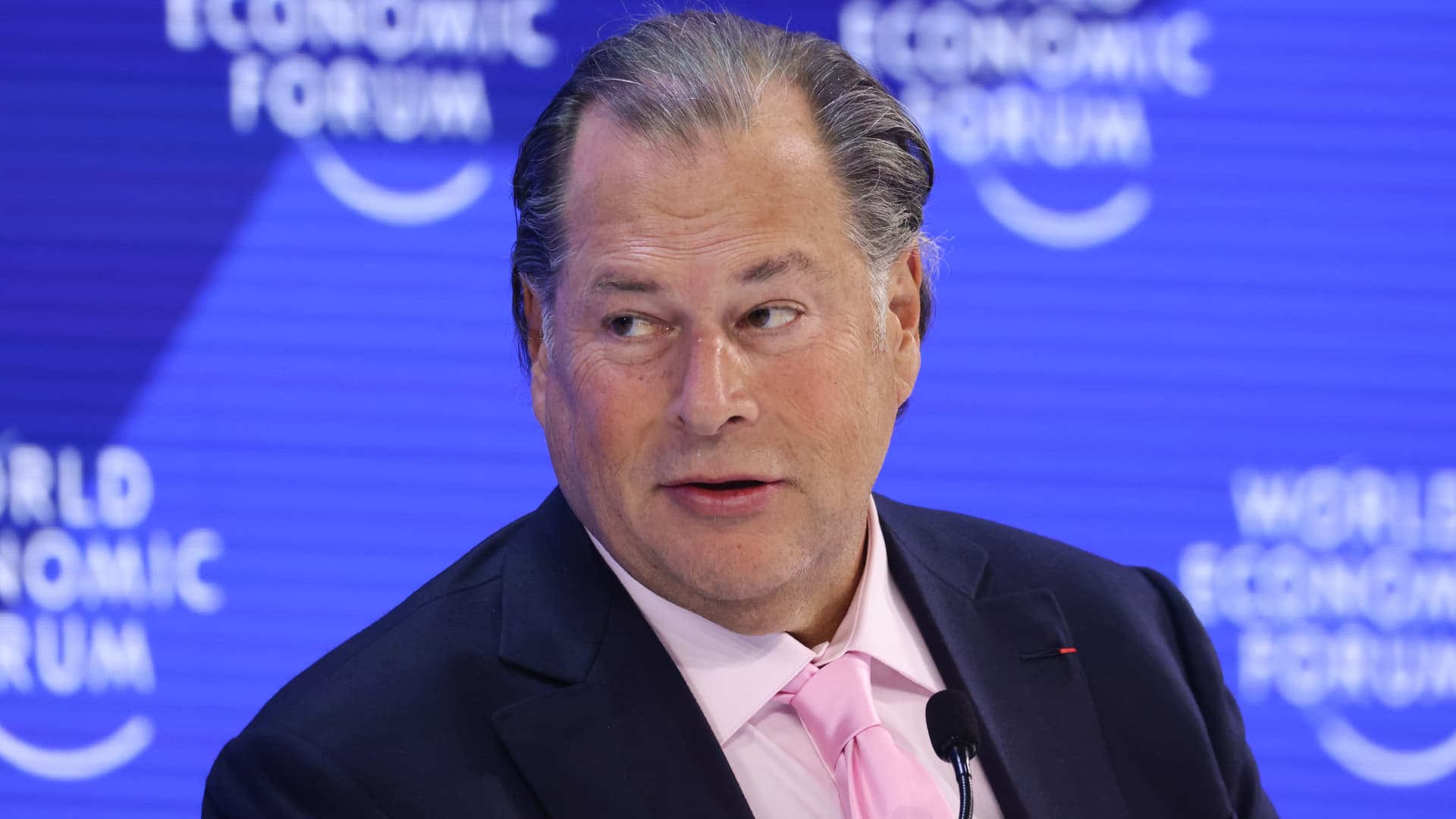
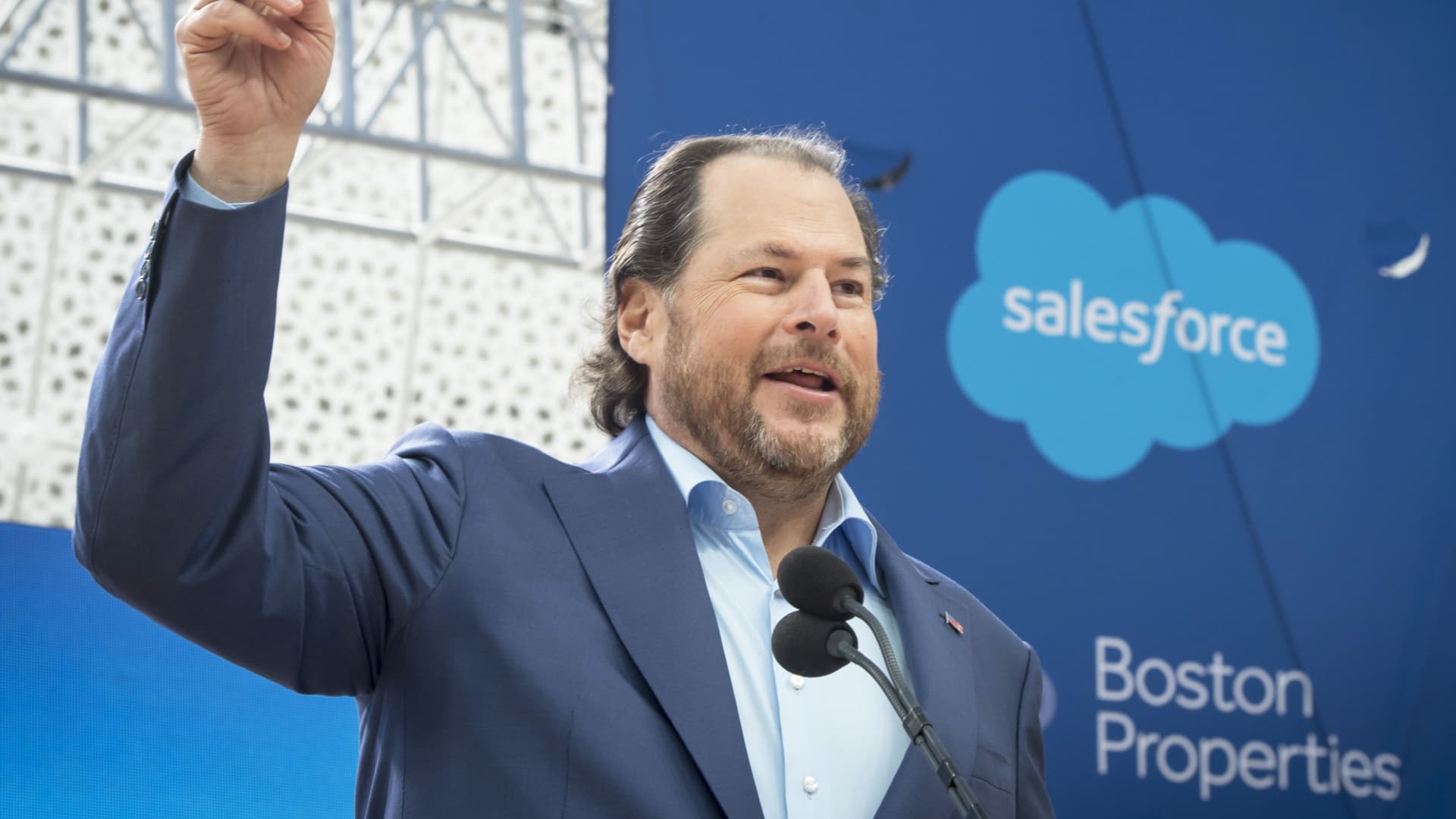
We know why Salesforce wants to repurchase stock — management believes that last month’s brutal sell-off on AI disruption fears has made the share price attractive — because, as CEO Marc Benioff said in Monday’s press release: “We are so confident in the future of Salesforce.” (Salesforce insiders are also buying. Board member and Williams-Sonoma