The Ministry of New and Renewable Energy (MNRE) has made a case before a parliamentary committee for a significant expansion of its administrative authority over India’s renewable energy sector, arguing that it should be recognised as the “Central Government” in all matters pertaining to renewables under the Electricity Act, 2003.
The demand, part of a detailed reply furnished to the committee in February but made public this month, in response to “stakeholder requests” for a standalone Renewable Energy Act, effectively seeks to redraw the institutional boundaries between the MNRE and the Ministry of Power, which currently exercises primary authority over the Electricity Act’s provisions, including those governing grid-connected renewable energy.
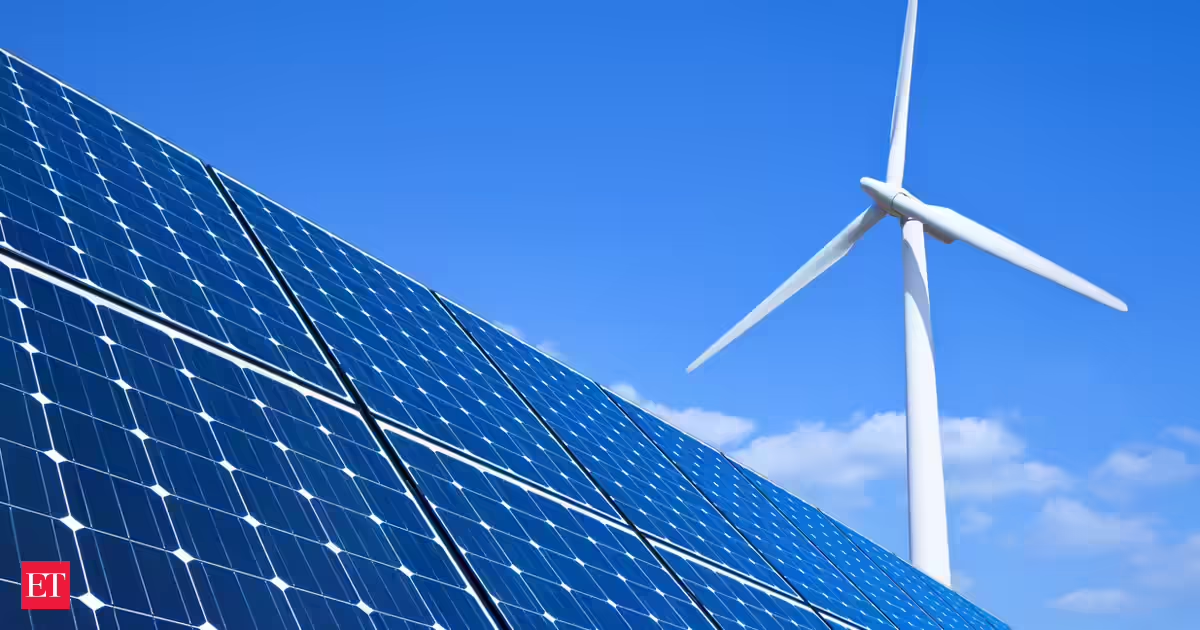
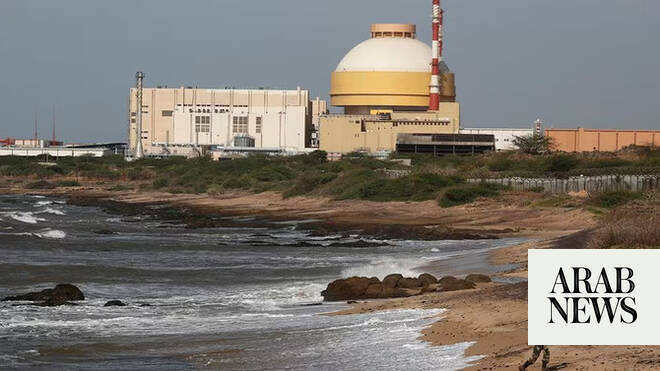
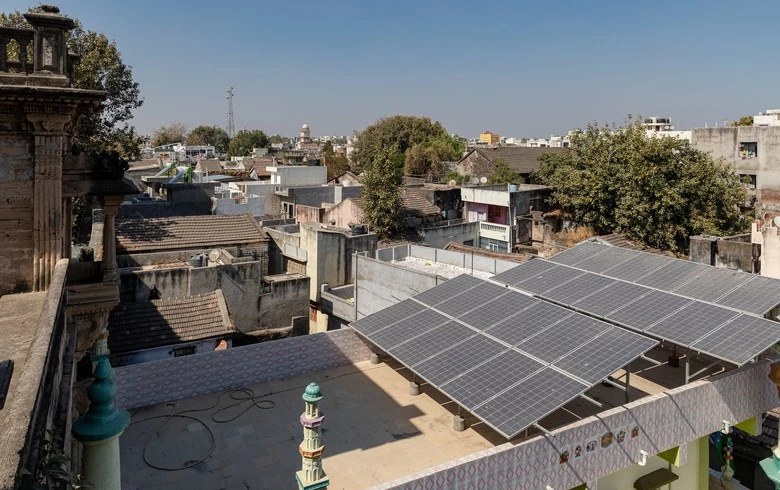
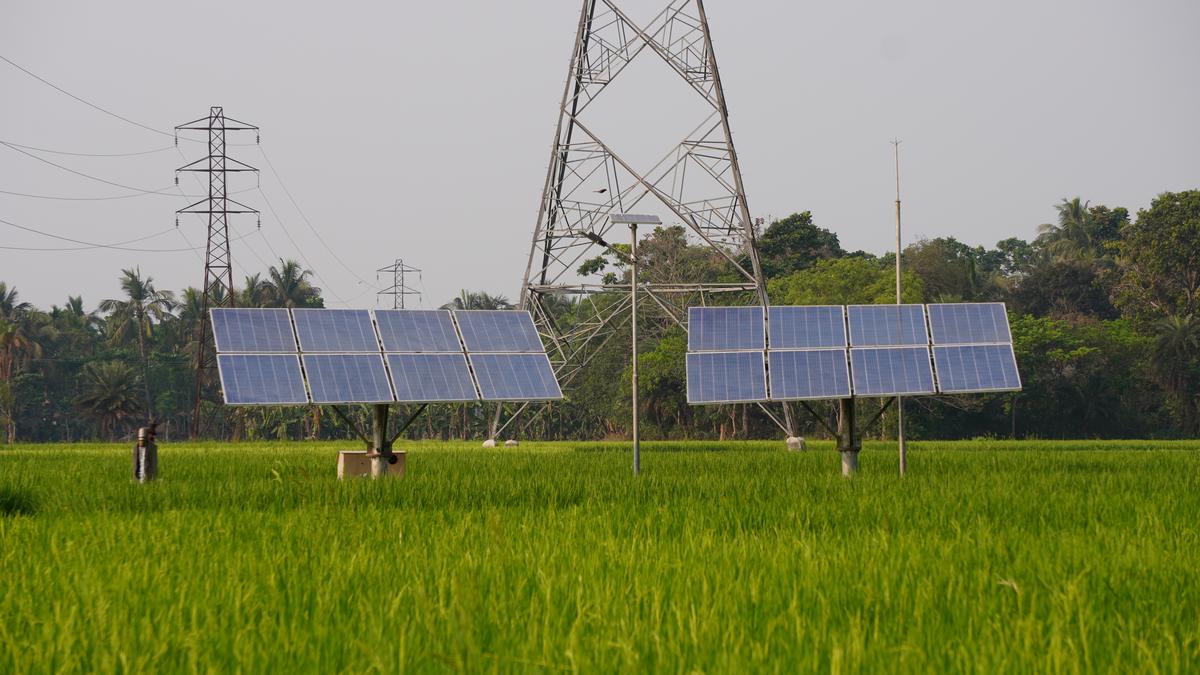
As of January 31, 2026—the MNRE cited in a submission—India has installed 271.96 GW of capacity from non-fossil fuel sources, a little over half the country’s total installed generation capacity of 520.50 GW. Of this, 263.18 GW is from renewable energy: 140.60 GW from solar, 54.65 GW from wind, 51.16 GW from large hydro, 11.61 GW from bioenergy, and 5.16 GW from small hydro. Nuclear power accounts for the remaining 8.78 GW. The Ministry’s stated target is 500 GW of non-fossil capacity by 2030. However, the actual electricity generated from non-fossil sources is about 25%. The intermittent nature of renewable energy sources and insufficient battery storage means that only coal power can be relied upon to provide consistent electricity on demand.