Causes of meningitis, what the public health response has been, and how the situation differs from Covid
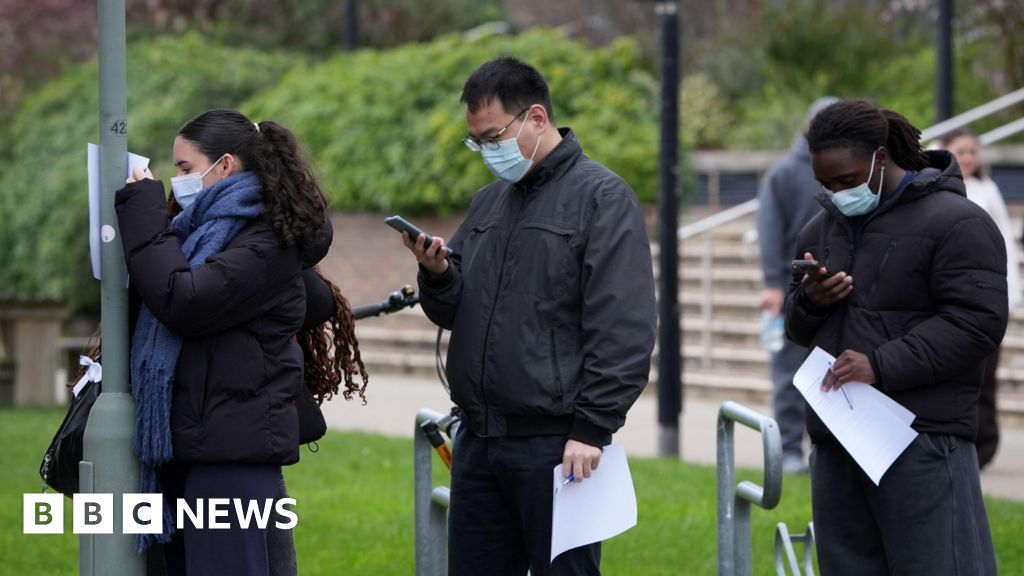
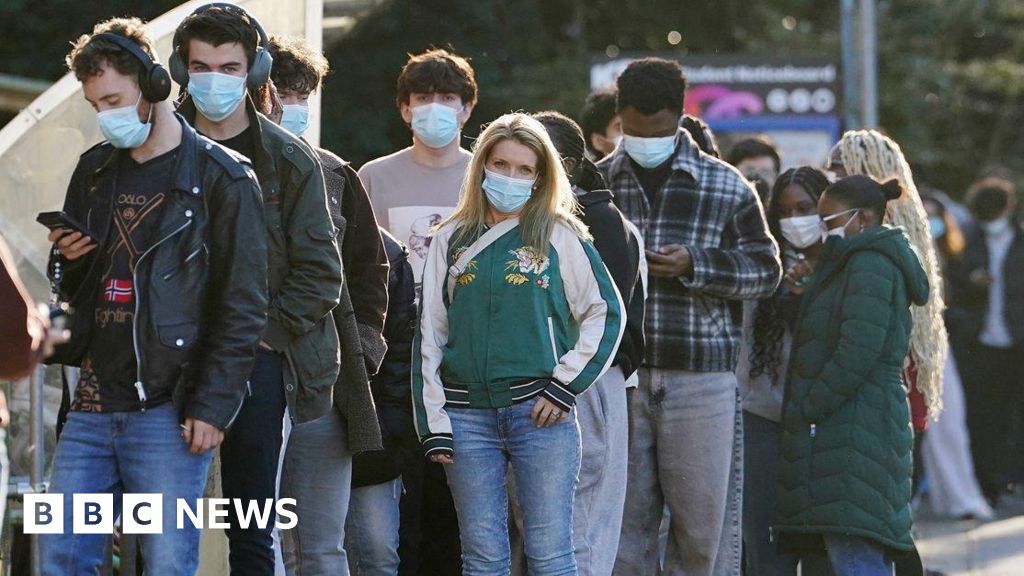
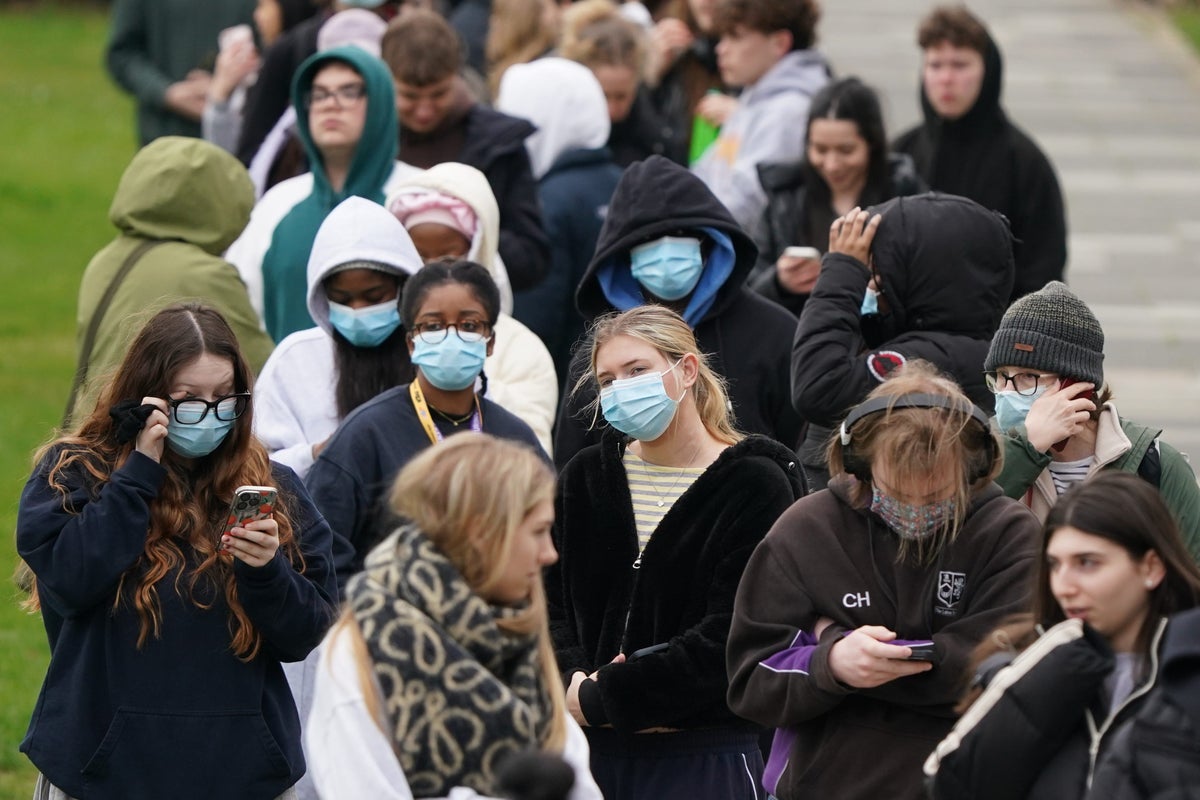
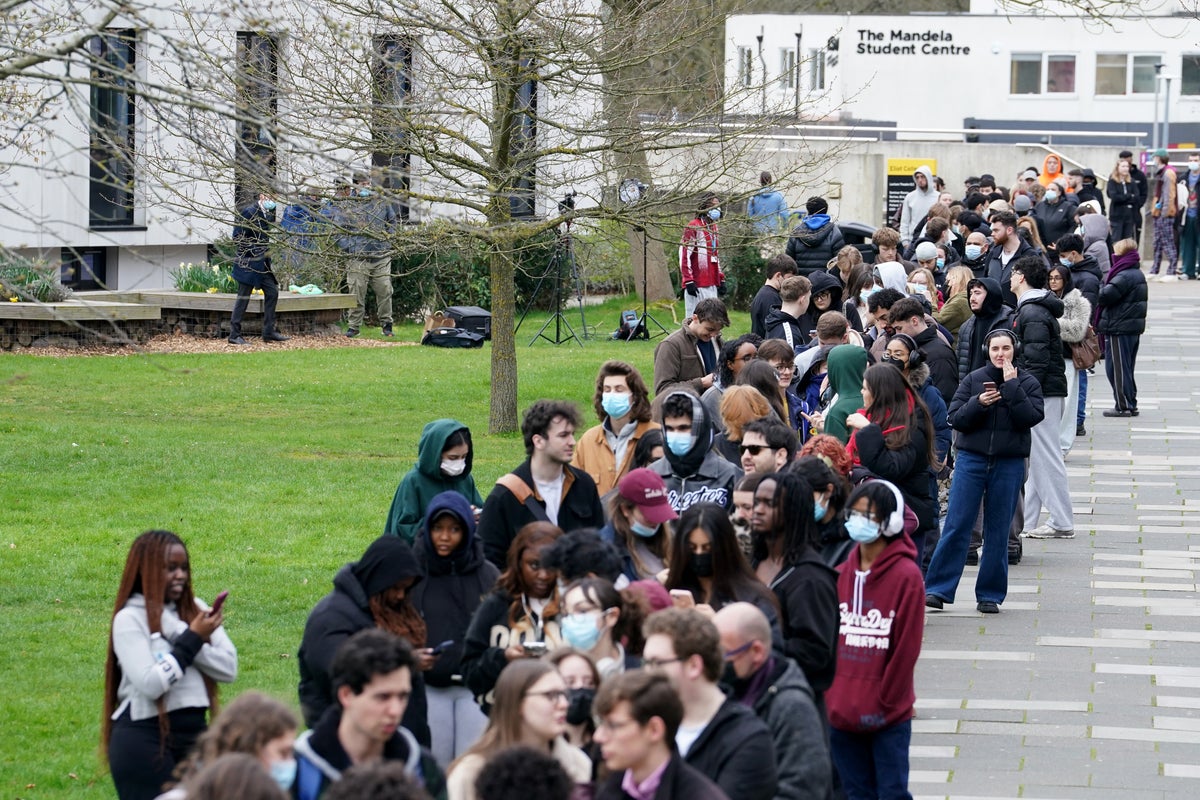
The deadly outbreak of meningitis in Kent has fuelled concerns about how far the disease will spread and seen the return of people wearing masks and queueing for vaccines. The scenes are reminiscent of the Covid crisis, but meningitis is very different. Here we look at how the outbreak has unfolded.
Meningitis is a potentially lethal but uncommon disease caused by viruses and bacteria that trigger inflammation of the meninges, the protective linings that cover the brain. The Kent outbreak is driven by meningococcal bacteria which are found in the nose and throat of about 10% of the population. There are multiple strains of meningococcal bacteria known as MenA, MenB, MenC, MenW, MenX and MenY. The culprit in the Kent outbreak is MenB. Meningococcal bacteria have lived in humans for centuries and public health officials have extensive experience with the disease.
“With this particular organism, we’ve got several hundred years of history now, and we can absolutely predict what factors are likely to have played into the outbreak,” said Prof Sir Andrew Pollard at the University of Oxford, the director of the Oxford Vaccine Group.