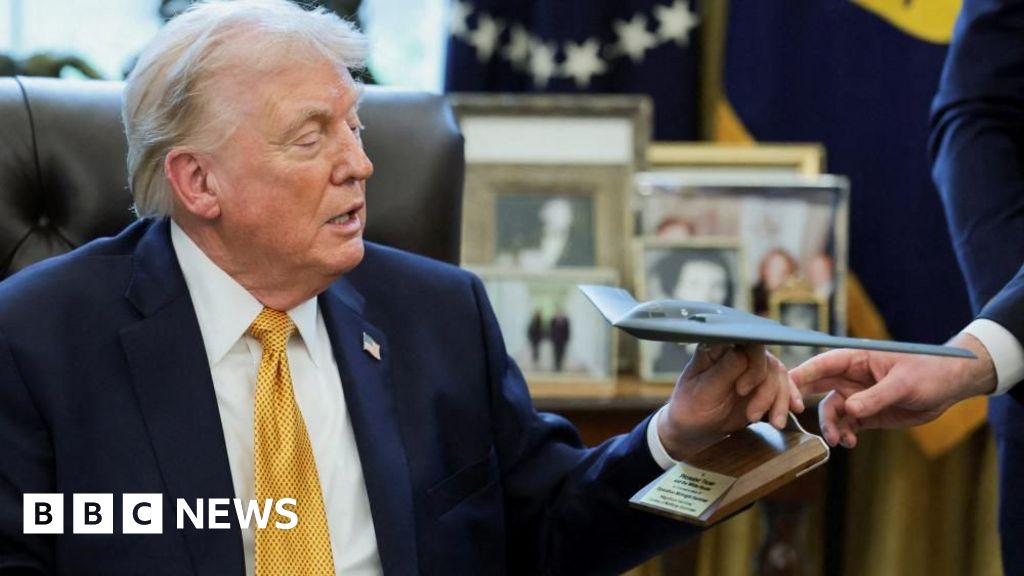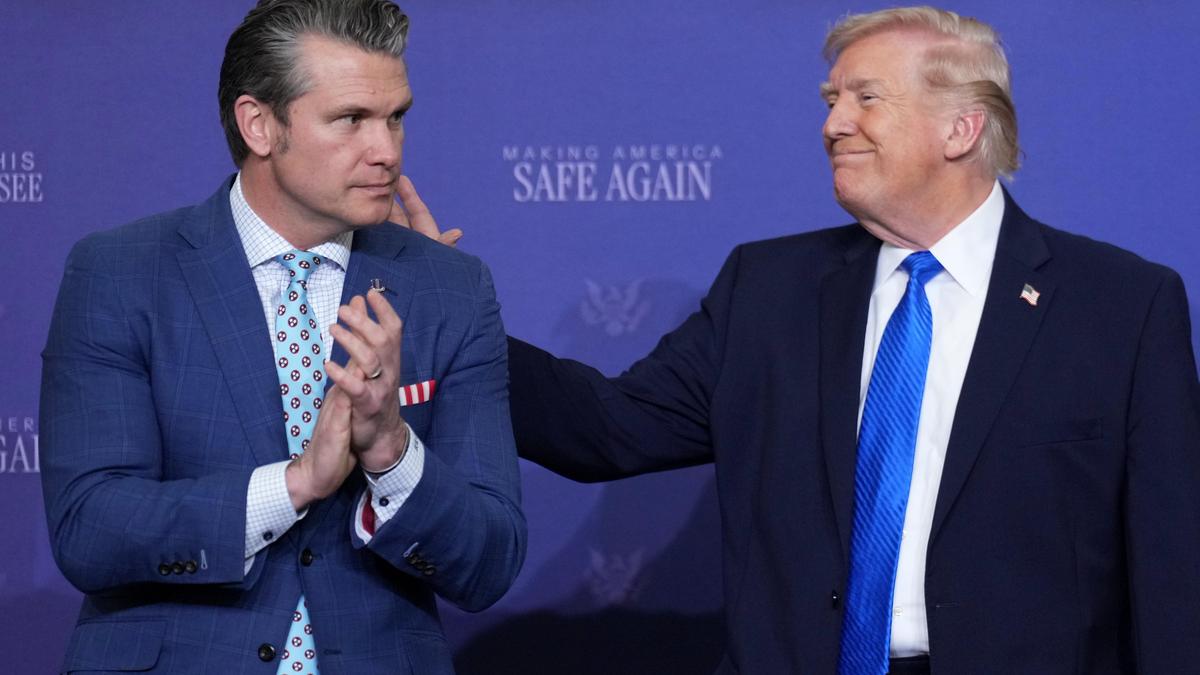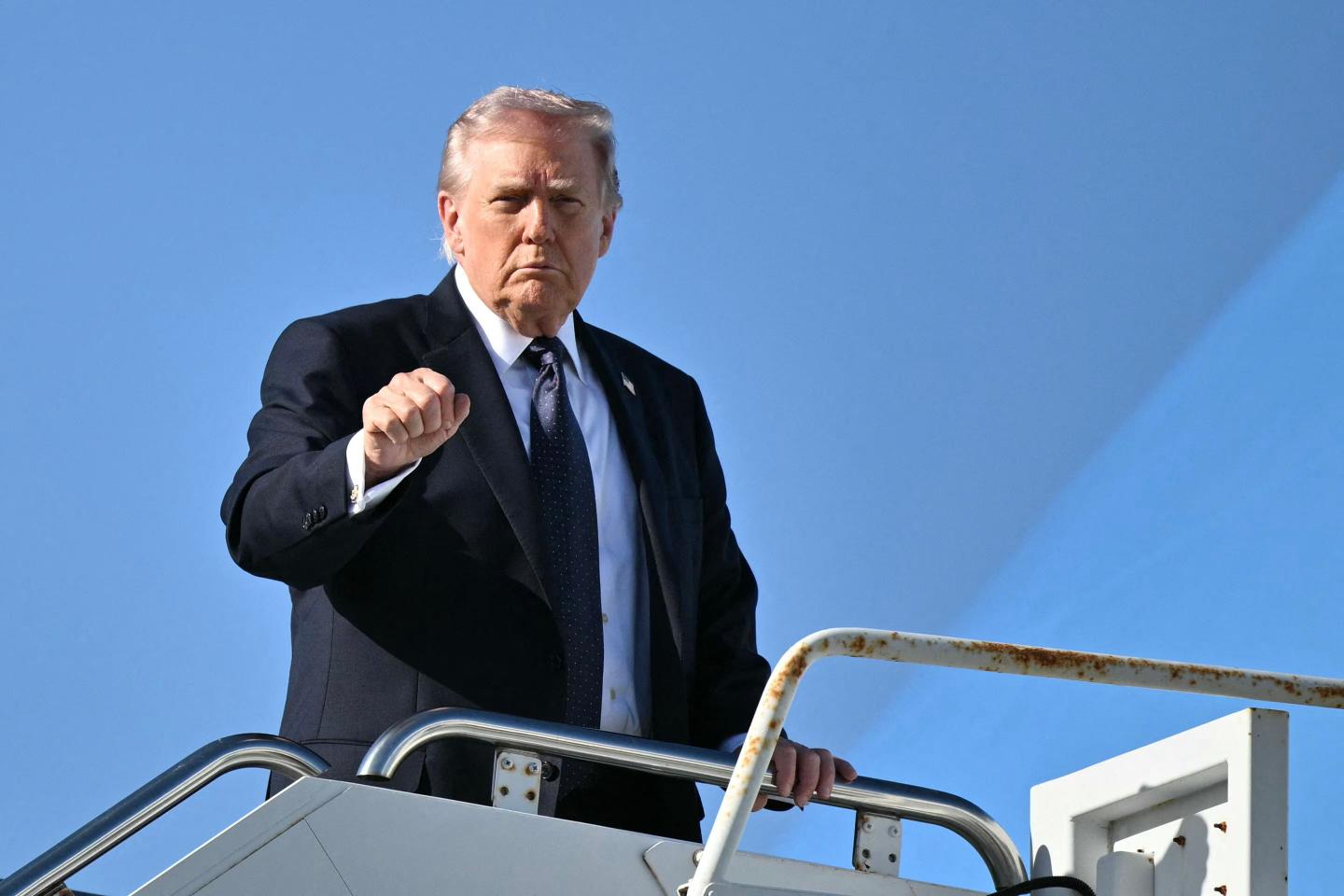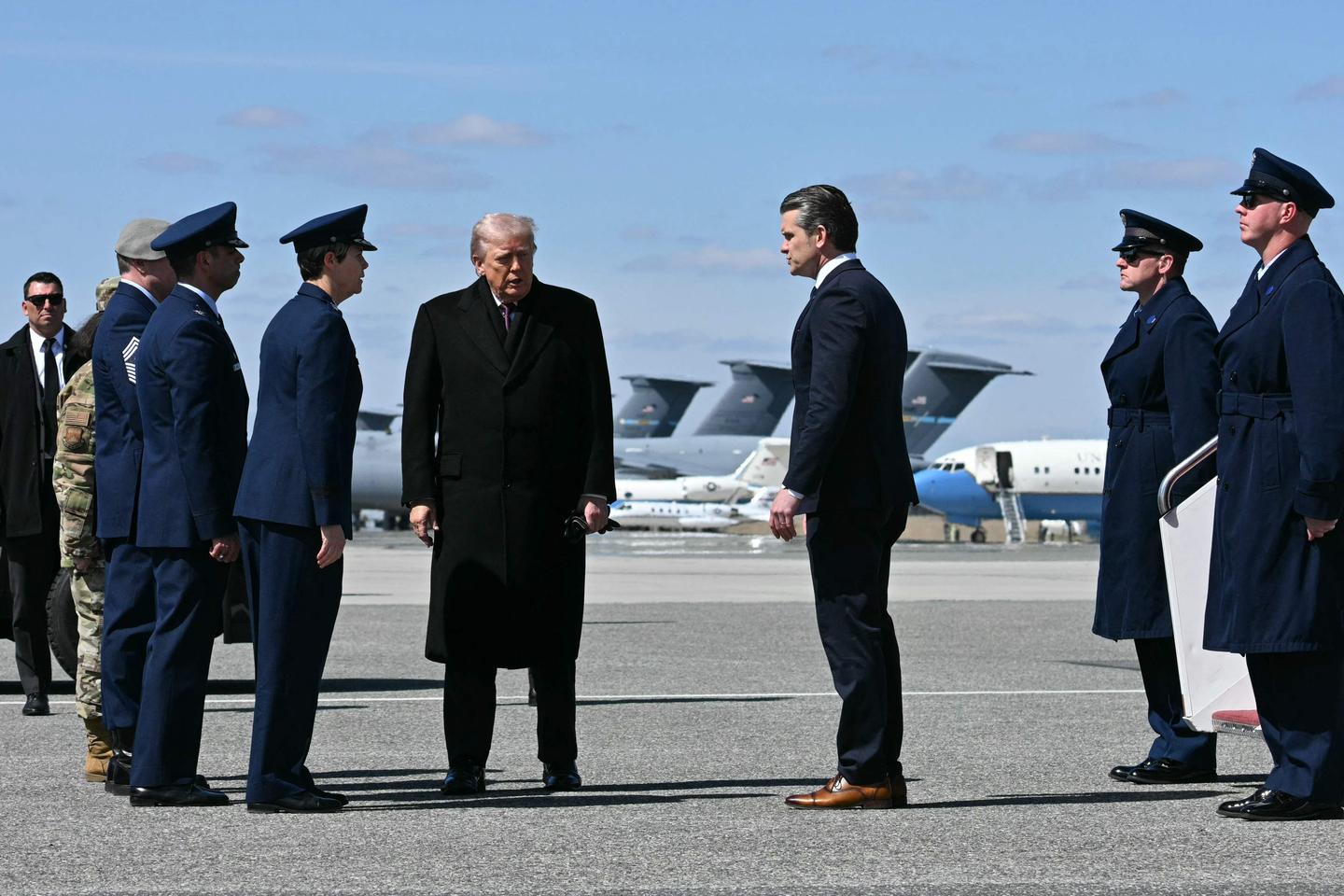
Donald Trump and Secretary of Defense Pete Hegseth at Dover Air Force Base (Delaware) on March 18, 2026, as the bodies of six American soldiers killed in the war against Iran arrived. JIM WATSON/AFP
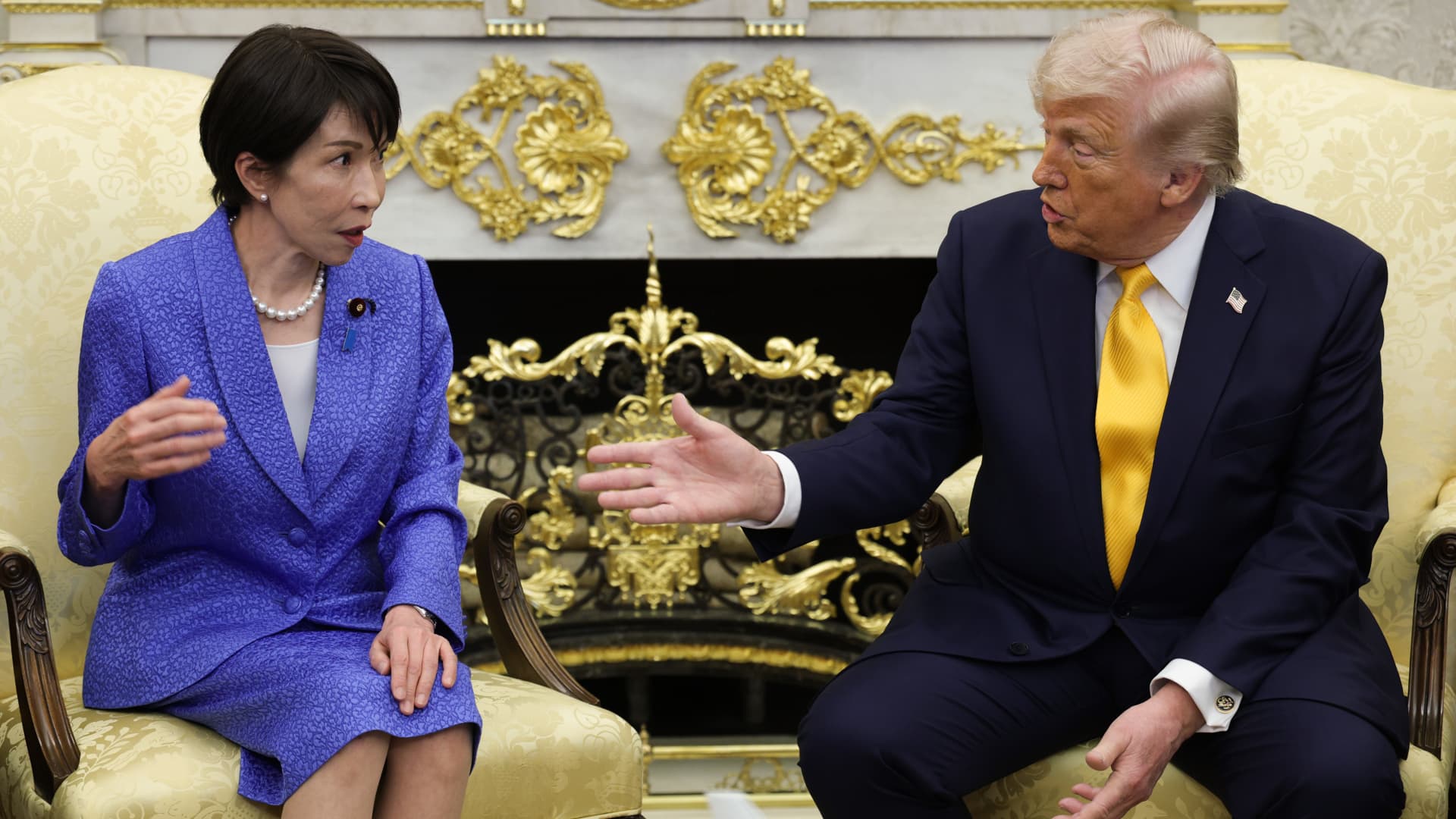
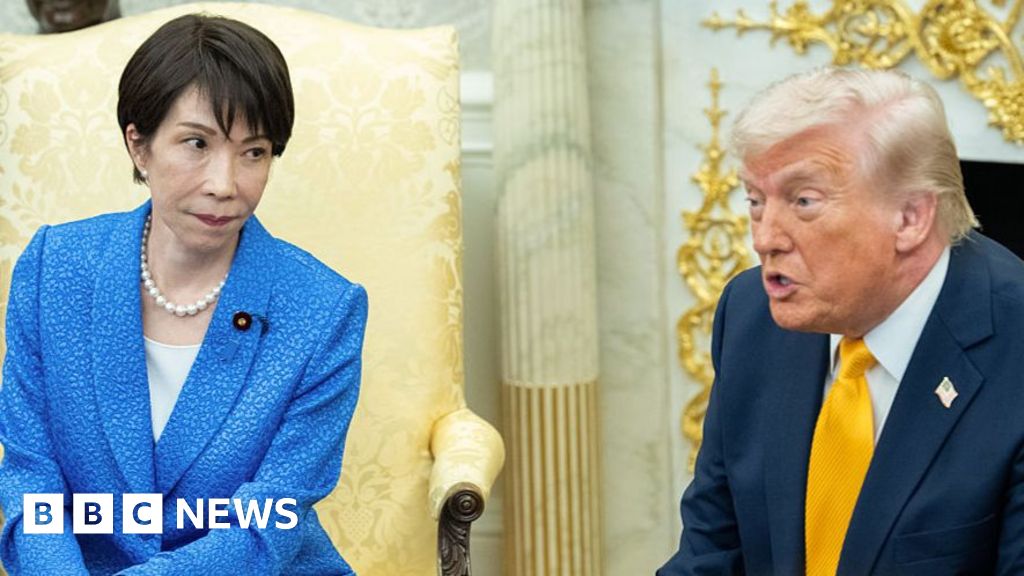
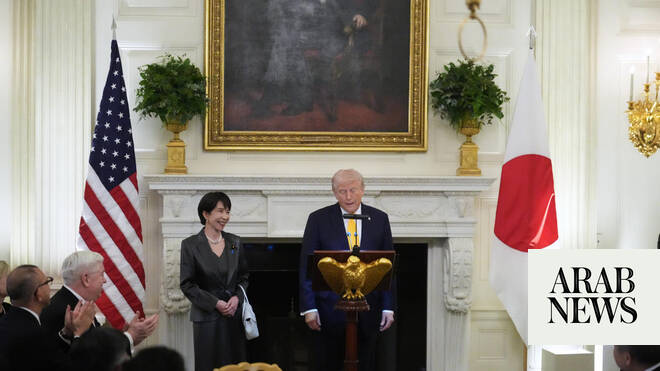
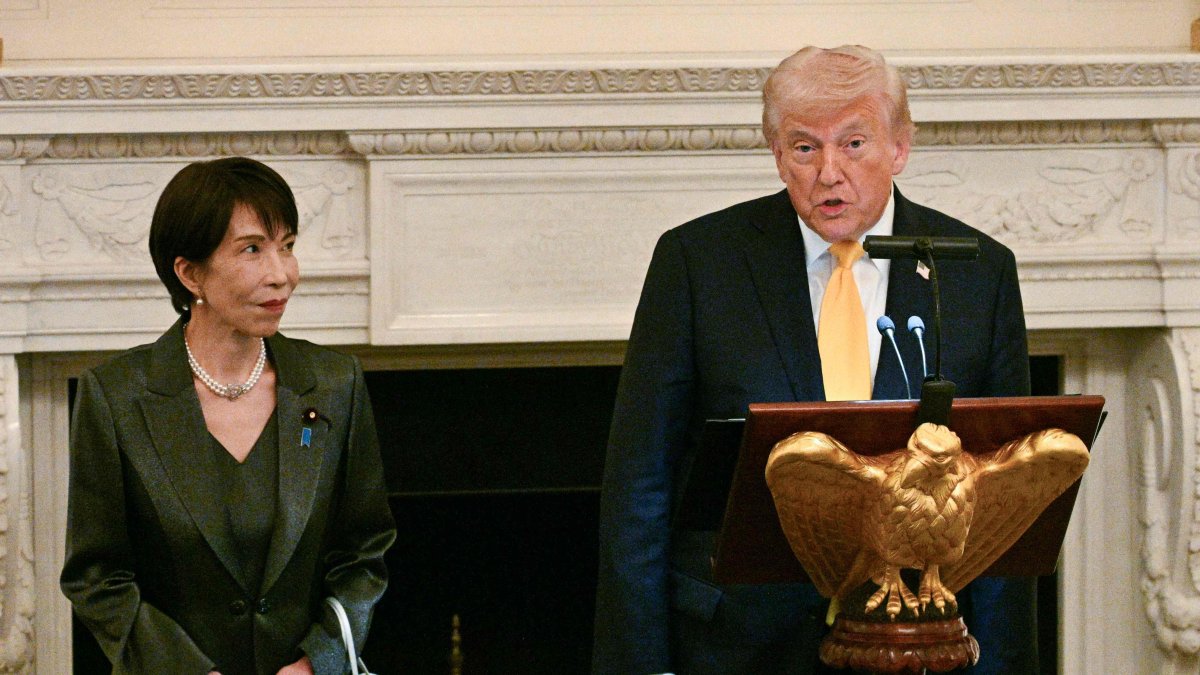
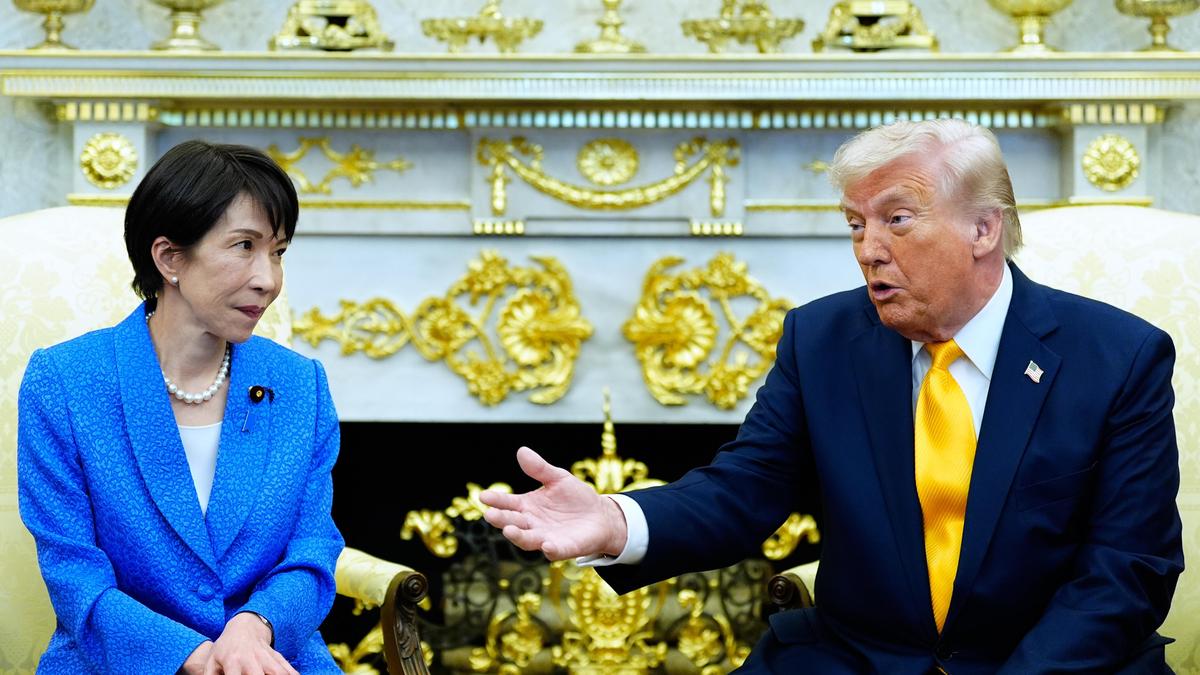
Donald Trump was warmly welcoming Japanese Prime Minister Sanae Takaichi in the Oval Office at the White House on Thursday, March 19, when a journalist asked him why he had not given her, nor any other US allies, advance notice of his decision to attack Iran jointly with Israel. The president justified his actions by invoking the element of surprise, using a reference that embarrassed his guest: the deadly raid carried out by Japan on the American naval base at Pearl Harbor in the Pacific on December 7, 1941. That attack had prompted the United States to enter World War II.
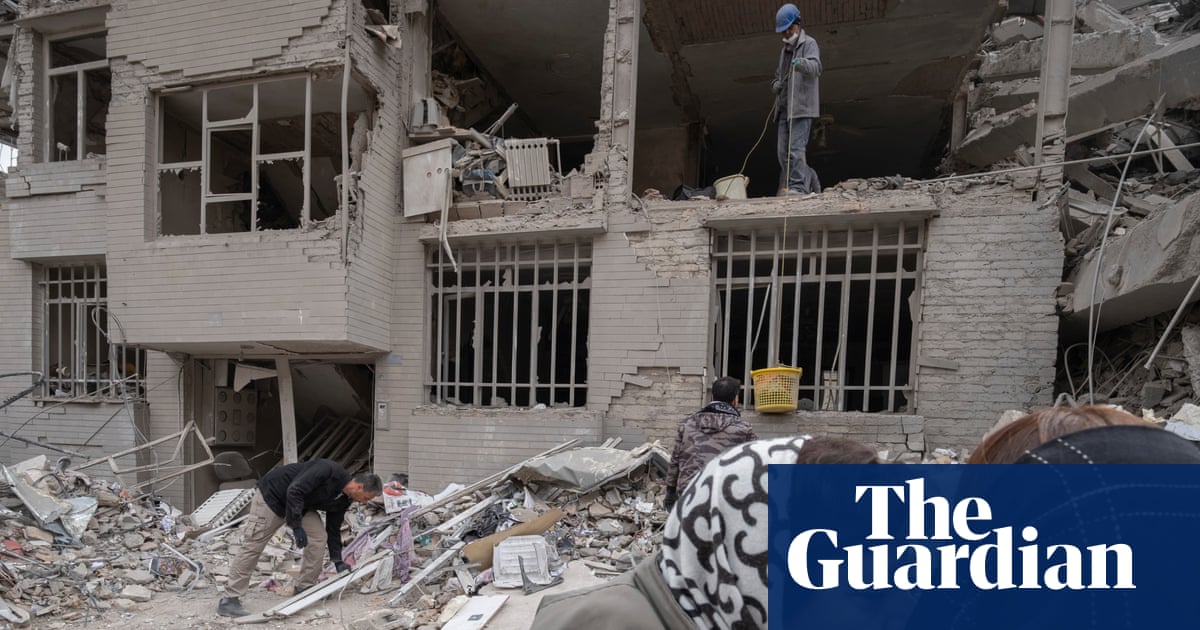
There certainly was an element of surprise on February 28, in both the outbreak of war during ongoing negotiations over Iran's nuclear program and in the unprecedented intensity of the strikes ordered by Trump and Israeli Prime Minister Benjamin Netanyahu. However, after three weeks of devastating airstrikes, that initial effect has gradually faded, undermined by inconsistencies within the American administration and by the way the war has unfolded, to the point that the US president finds himself on the defensive.