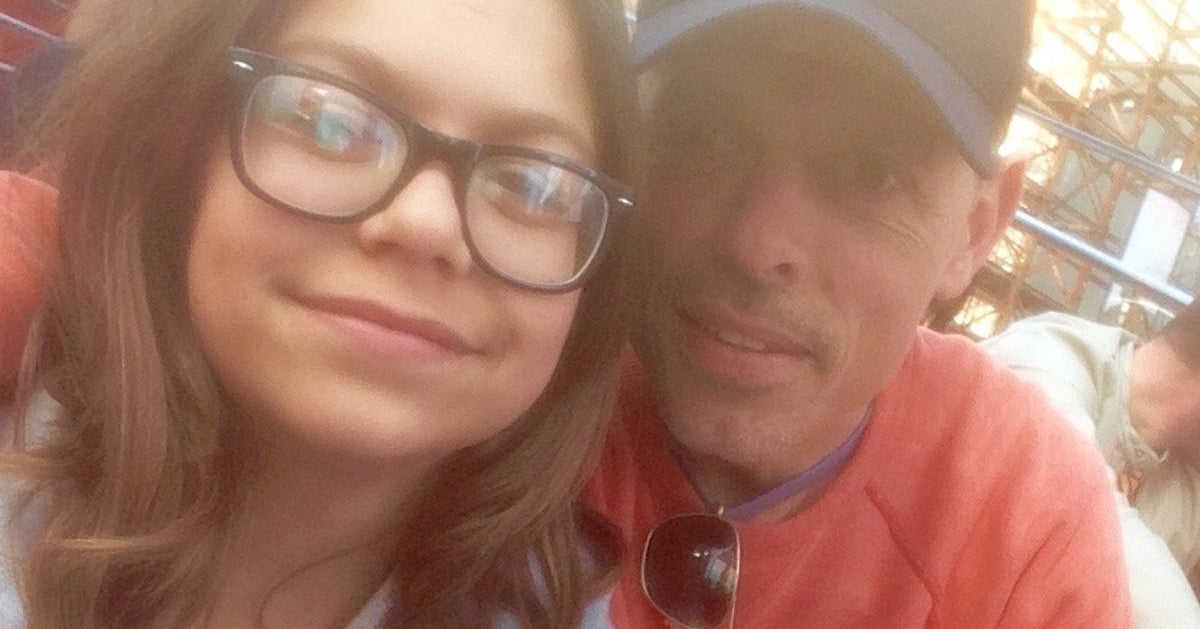
Early in the morning of Nov. 10, 2017, I got the phone call every parent dreads and none of us are ever prepared for. On that November morning, my oldest daughter, 15-year old Parker Lily, lost the battle with her mental health that we thought she’d been winning. Since that call, my family and I have been trying to rebuild our lives.
For years, I carried around the same tacit misconception many people do about suicide: If someone seems depressed, dejected or hopeless, you don’t say the S-word. You definitely don’t ask if they’re thinking about taking their own life. The worry behind this misconception is simple: You don’t want to put the idea of suicide into their head.
I’m here to tell you, as a father whose life was split into “before” and “after” by that phone call, the opposite is true.
If you take nothing else from what I’m about to say, take this: You will not cause suicide by asking someone directly if they’re thinking about it. The mental health world has firmly renounced the idea of not asking someone directly. And I’m hoping to get as many people as possible to understand this and to jettison silence. You might be the lifeline they didn’t know they were allowed to grab.
Parker wasn’t a “statistic.” She was my daughter. She was also a force of nature.