The Bank of Japan has long stated that sustained levels of inflation will help it move ahead with policy normalization, after having ended the world’s only negative interest rate regime in 2024.
Headline inflation in Japan has run above the BOJ’s 2% target for 45 straight months, only cooling in January 2026. And now the war in the Middle East risks fueling it further, something that the central bank flagged when it kept rates steady on Thursday.
For Japan, a country that imports nearly all of its oil, this is the wrong kind of “cost‑push” inflation, rather than the “demand‑pull” rise in prices the BOJ has been seeking. “Cost-push” inflation refers to increase in prices due to external factors, instead of an rise in domestic spending power.
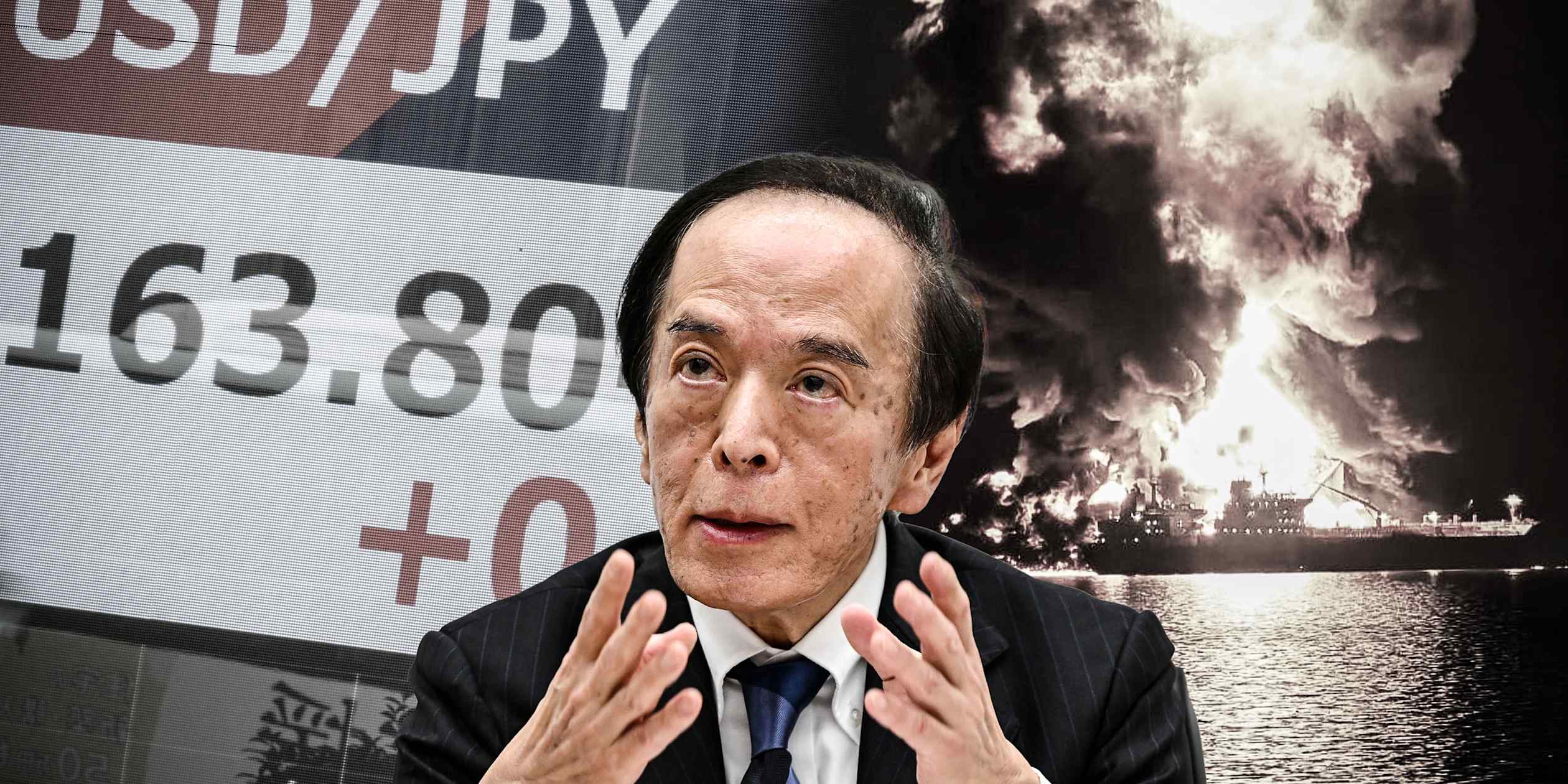
Meanwhile, Iran has threatened to escalate tensions until oil reaches ”$200 per barrel.”
Making matters worse is that these supply-side inflation risks come against the backdrop of an extended slide in wages in the country. Real wages fell every month in 2025, before gaining 1.4% in January.