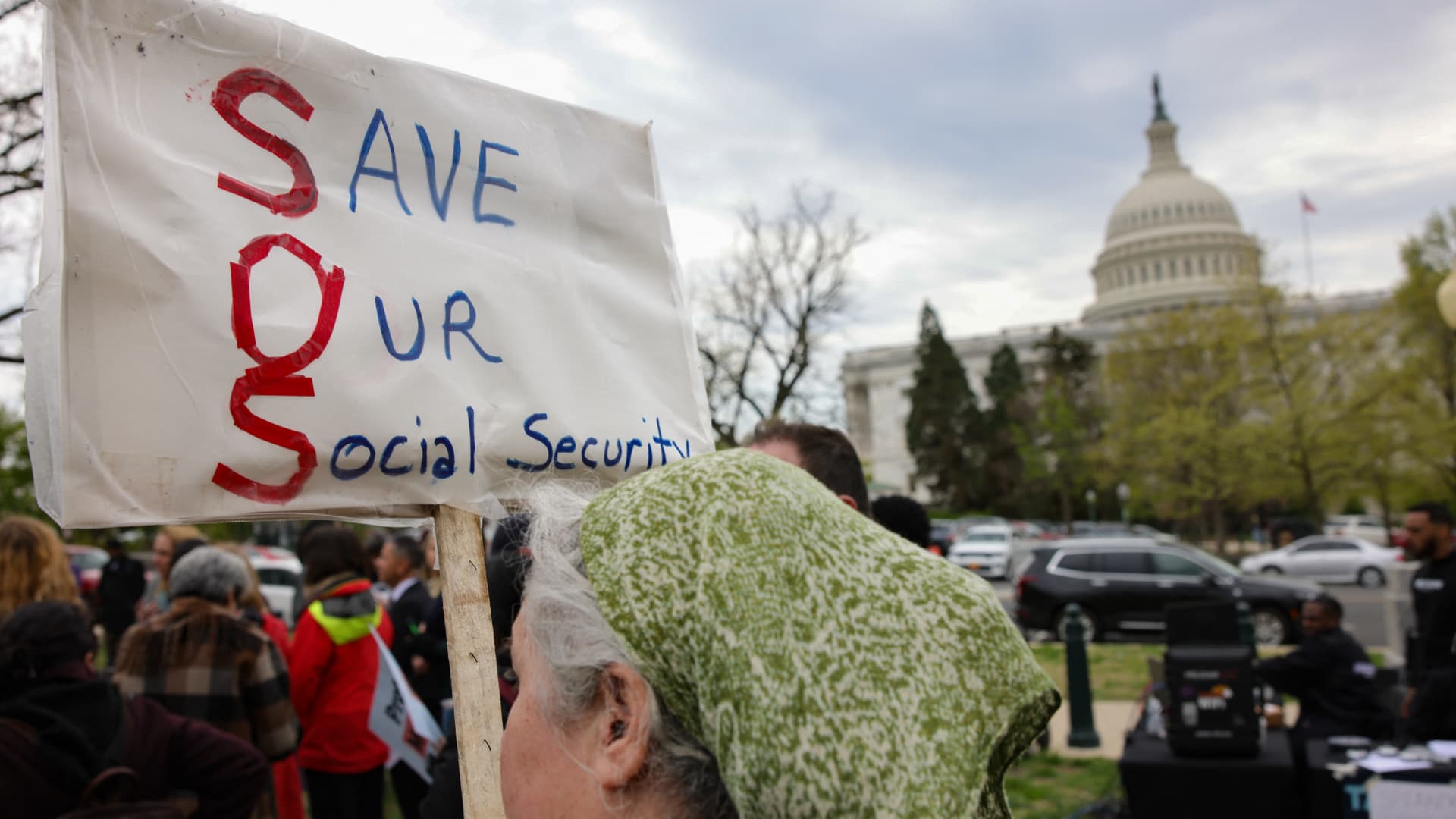
Social Security is six years from insolvency. That’s not a projection buried in an actuarial footnote—it’s the opening finding of a new report from the Penn Wharton Budget Model (PWBM), released Thursday, which puts the program’s Old-Age and Survivors Insurance Trust Fund on track to run dry by 2032.
And the fix lawmakers will likely reach for first—raising taxes—may be precisely the wrong move.
That’s the stark, counterintuitive conclusion suggested by PWBM researchers Seul Ki “Sophie” Shin and Kent Smetters, who modeled five distinct reform packages ranging from all-tax to all-cuts and found the approach most conventional analysts dismiss as politically radioactive—deep benefit reductions—generates the strongest long-term economic growth.
The counterintuitive math
Run the numbers through a standard accounting lens and the tax-heavy plan, called Option A, looks like the winner. It delays insolvency from 2032 all the way to 2058 by raising the payroll tax rate one percentage point (to 13.4%), lifting the taxable earnings ceiling to $250,000 (up from $184,500 in 2026), and switching to a slower inflation index for cost-of-living adjustments.