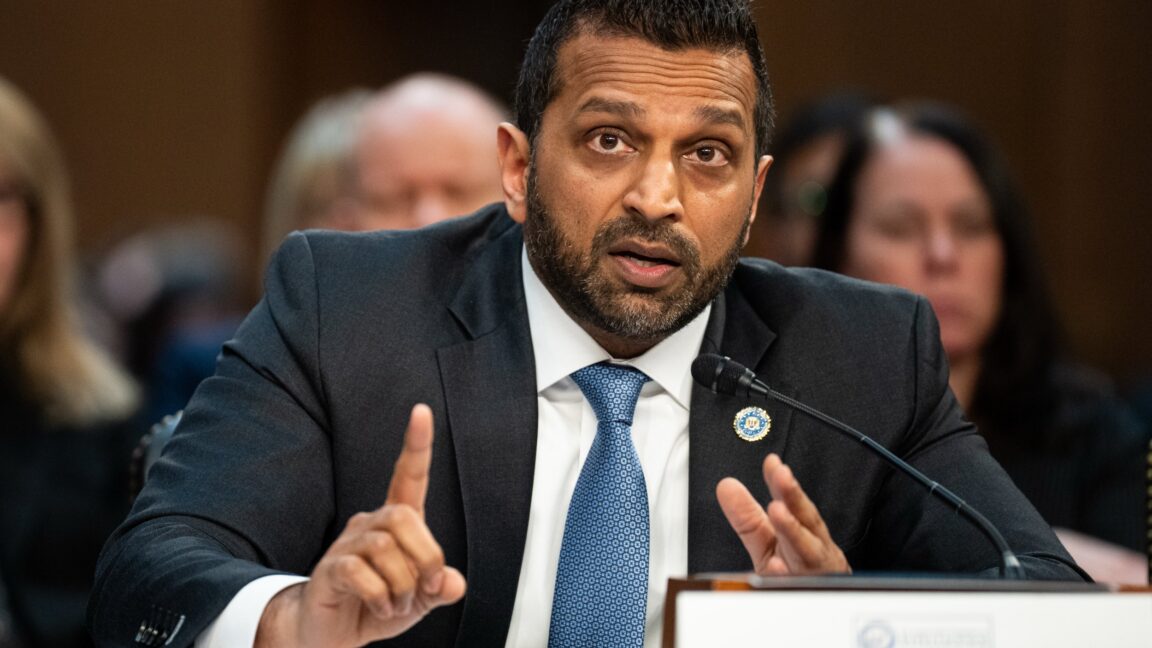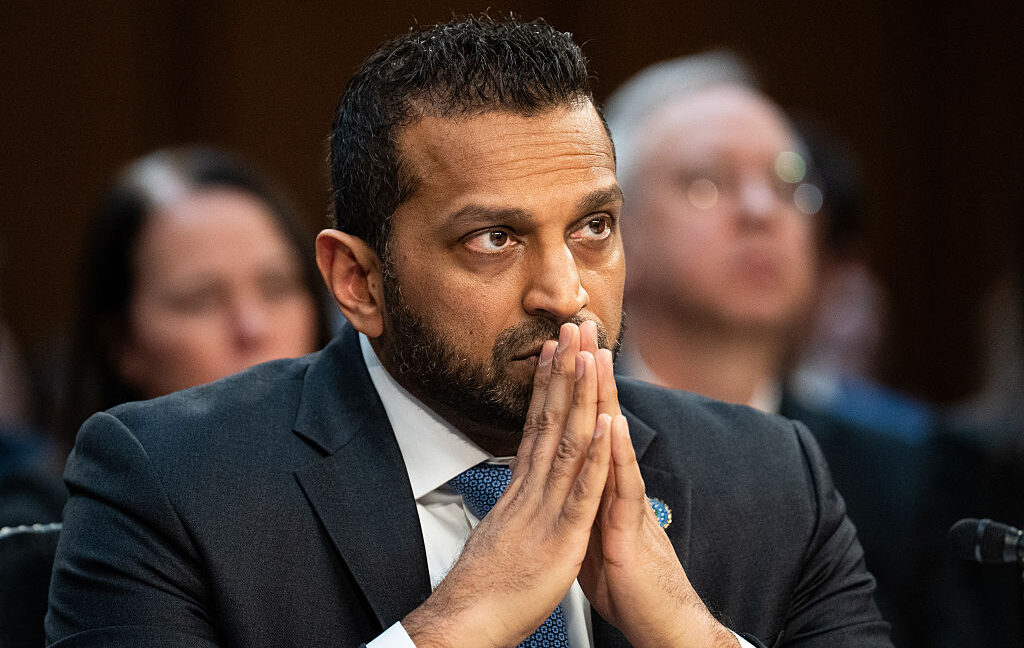
FBI director, Kash Patel, revealed agency had resumed purchasing private information en masse in possible constitutional violation
Kash Patel’s disclosure Wednesday that the FBI has resumed buying location data on Americans has many people, including members of Congress, wondering: how does private information get into the hands of the US government in the first place – and how can federal law enforcement use that information to track peoples’ whereabouts?
Federal law enforcement agencies generally must obtain a warrant, which requires establishing probable cause in the eyes of a judge, to gather historical or real-time cell phone location data. The US supreme court has ruled that the fourth amendment to the US constitution, which protects against “unreasonable search and seizure”, prohibits the warrantless collection of individuals’ location histories. Buying such information, usually en masse, can circumvent this requirement, leading many privacy advocates to label the practice unconstitutional.
The FBI director’s admission came in response to a question from Ron Wyden, a Democratic senator of Oregon and a longtime opponent of the warrantless surveillance of Americans. Wyden told Patel that his predecessor, Christopher Wray, testified in 2023 that the FBI did not at that time purchase location data derived from internet advertising, although he acknowledged that it had done so in the past.