Conservation can be hard work. But not when it comes to helping these little orange and brown beauties
Y
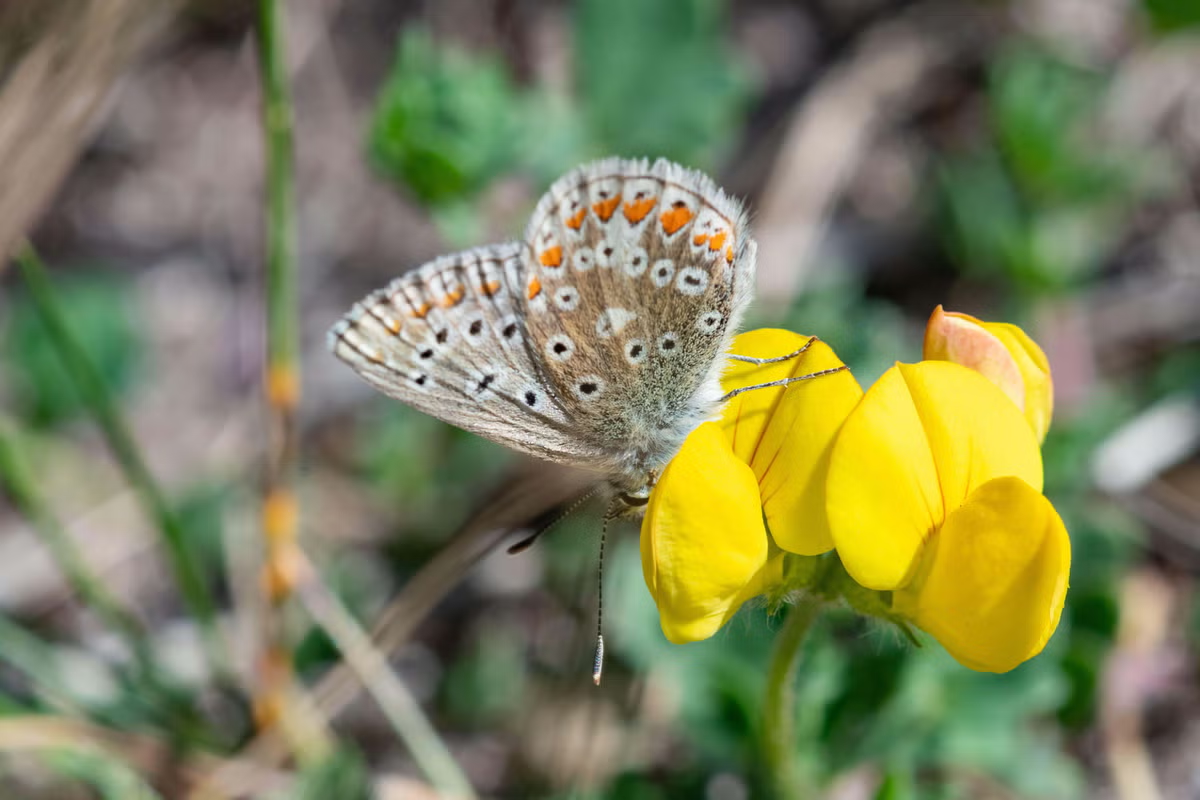
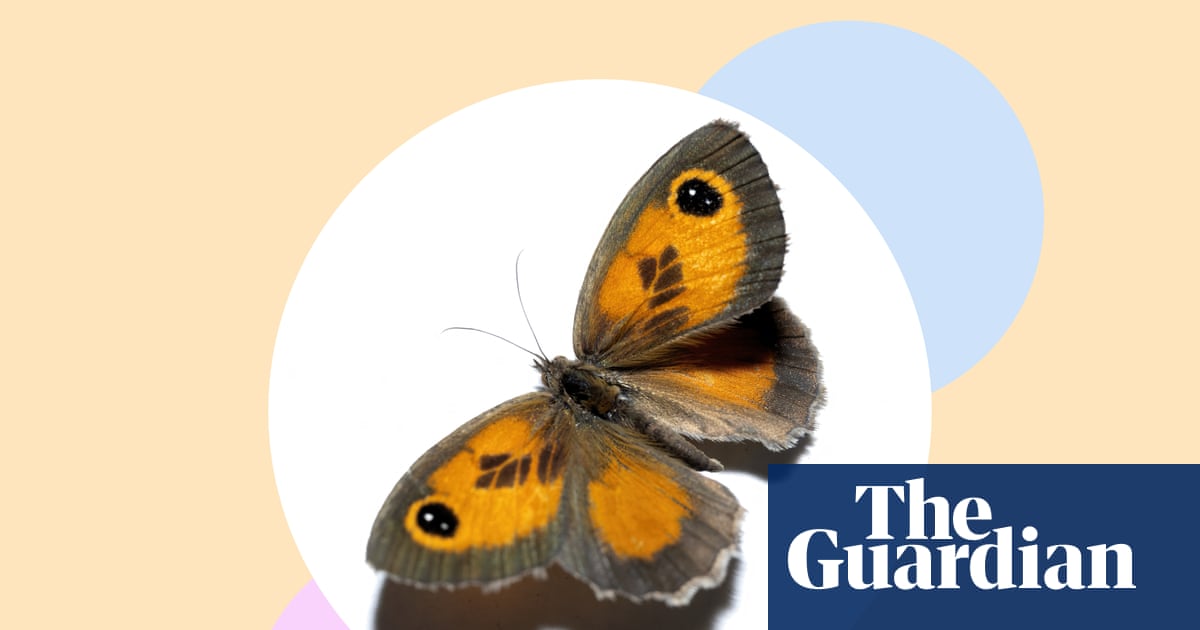
ou’ve almost certainly seen gatekeeper butterflies, even if you don’t know them by name. The gatekeeper is, says naturalist and butterfly enthusiast Matthew Oates, “a charming butterfly; a charming meditation of soft oranges and browns”. Traditionally found in the “scrub edges” (the borders between grassland and woods) and at hedge margins, they are frequently seen in suburban and urban areas, near garden gates (hence their name) and at the base of shrubs. The gatekeeper is in no hurry, so you’ll get to enjoy it. “It doesn’t dash about at great speed,” says Oates. “It flops around; both males and females bask a lot.” As a bonus, Oates adds, gatekeeper males are “extremely polite to each other”, unlike lots of other butterflies, which are highly territorial. “They’re gentlemen.”
Gatekeepers are far from our most endangered butterfly species – another formerly frequent garden visitor, the small tortoiseshell, has declined 82% since surveys began in 1976 – but they do need our help. The UK population of gatekeepers is down 38% since 1976, says Dr Richard Fox, the Butterfly Conservation’s head of science, for reasons that are unclear. For once, climate is unlikely to be the culprit in the UK: generally, butterflies thrive in warmer weather and gatekeepers in particular can tolerate a wide range of temperatures, according to Fox. But changing plant communities due to increased nitrogen in the soil and pesticide use are possible causes.