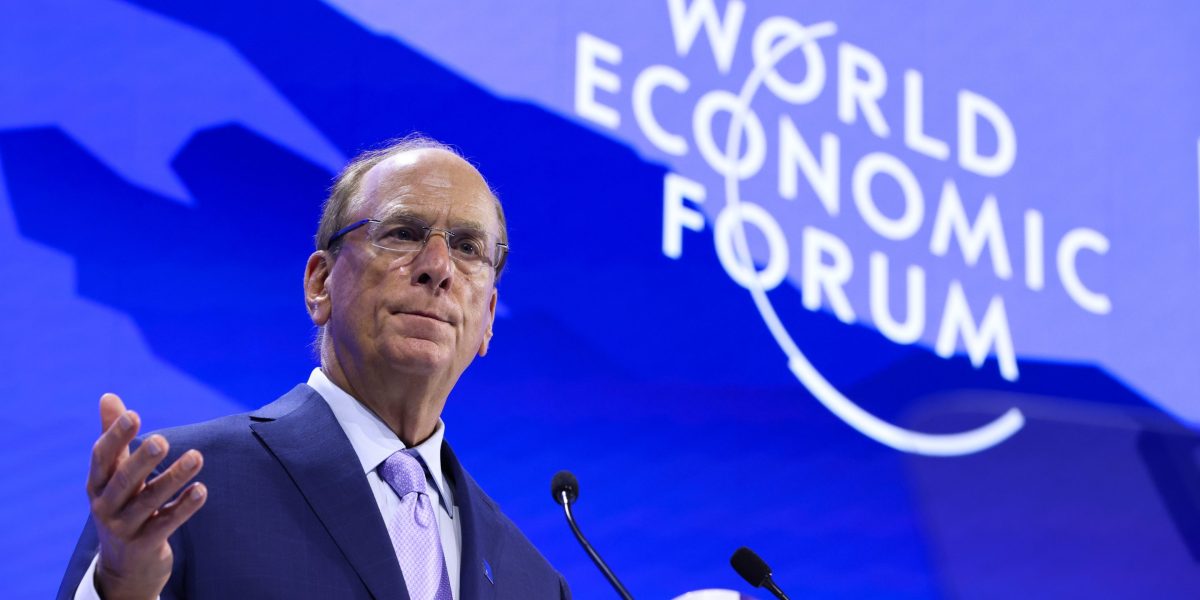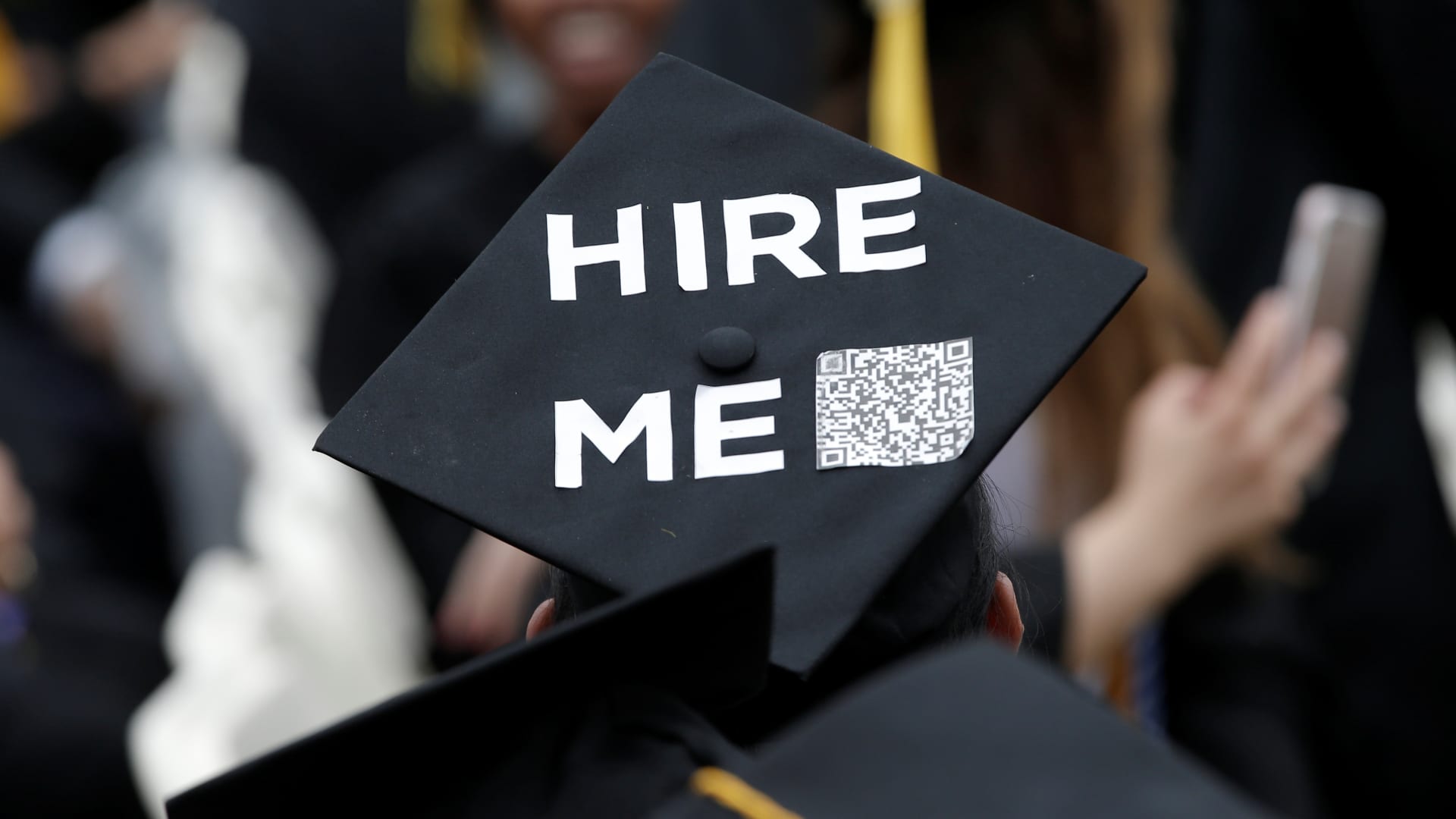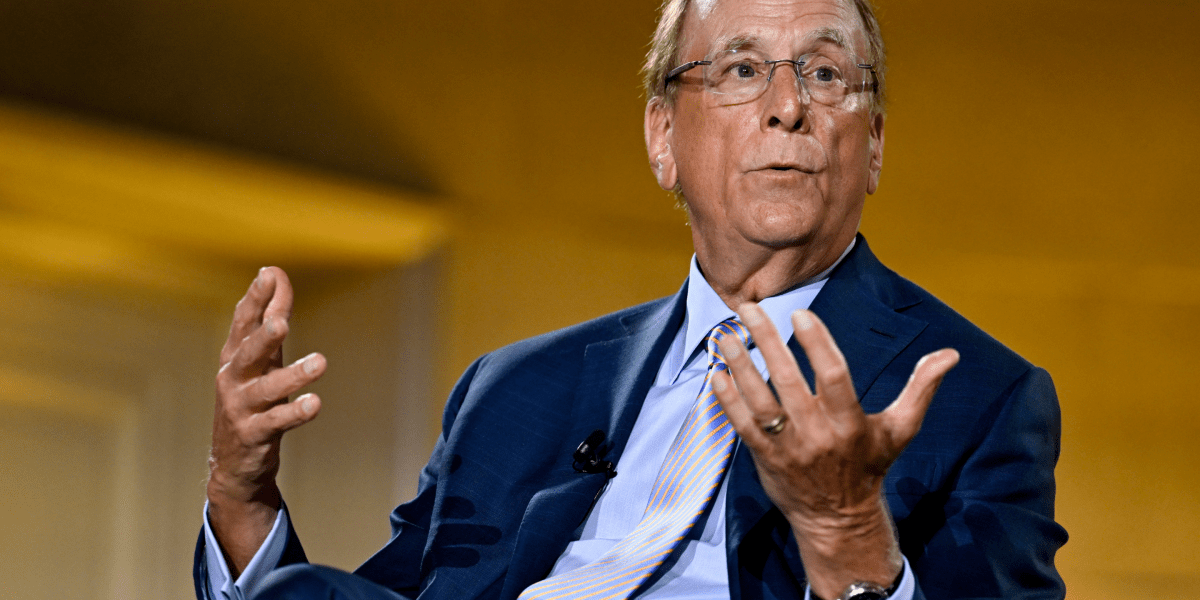
With graduation season just weeks away, millions of college seniors are preparing to walk across commencement stages and become the youngest members of the workforce. But for the class of 2026, that transition may be rockier than ever, with BlackRock CEO Larry Fink issuing a warning that the promise of a four-year degree as a pathway to a stable career is beginning to crack.
Fink stressed at BlackRock’s 2026 Infrastructure Summit that he’s “worried that when this year’s college graduates enter the workforce, we could see the highest unemployment rate among them in years—even without a recession.”
At the core of his concern: tech is rapidly reshaping the very entry-level roles that have long served as the first rung for college graduates.
“The speed at which AI is changing, we’re not adapting our society fast enough,” the 73-year-old added. “Really post World War II, the pathway to a white-collar job was a college education, and AI is going to disrupt many of those types of jobs.”
The unemployment rate among recent college graduates ages 22 to 27 currently sits at 5.6%, according to the Federal Reserve Bank of New York—near levels not seen since 2013, excluding the pandemic. And demand for early-career roles continues to tighten. Job postings on Handshake, a platform for college students and recent graduates, fell more than 16% between August 2024 and August 2025, while the average number of applications per role has jumped 26%.