S
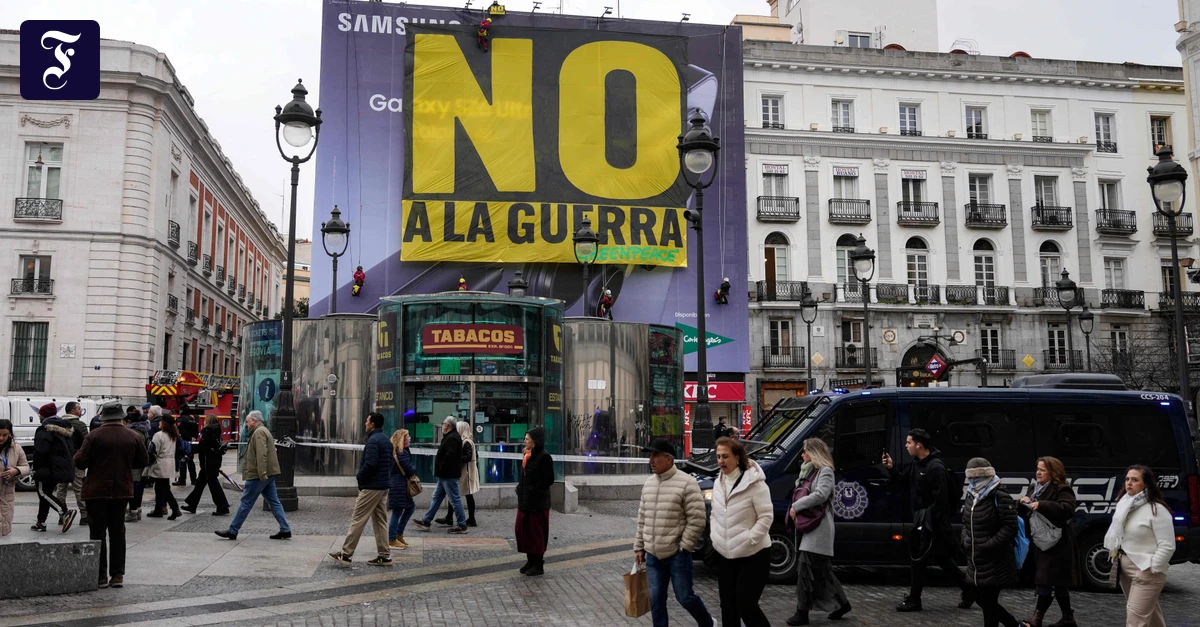
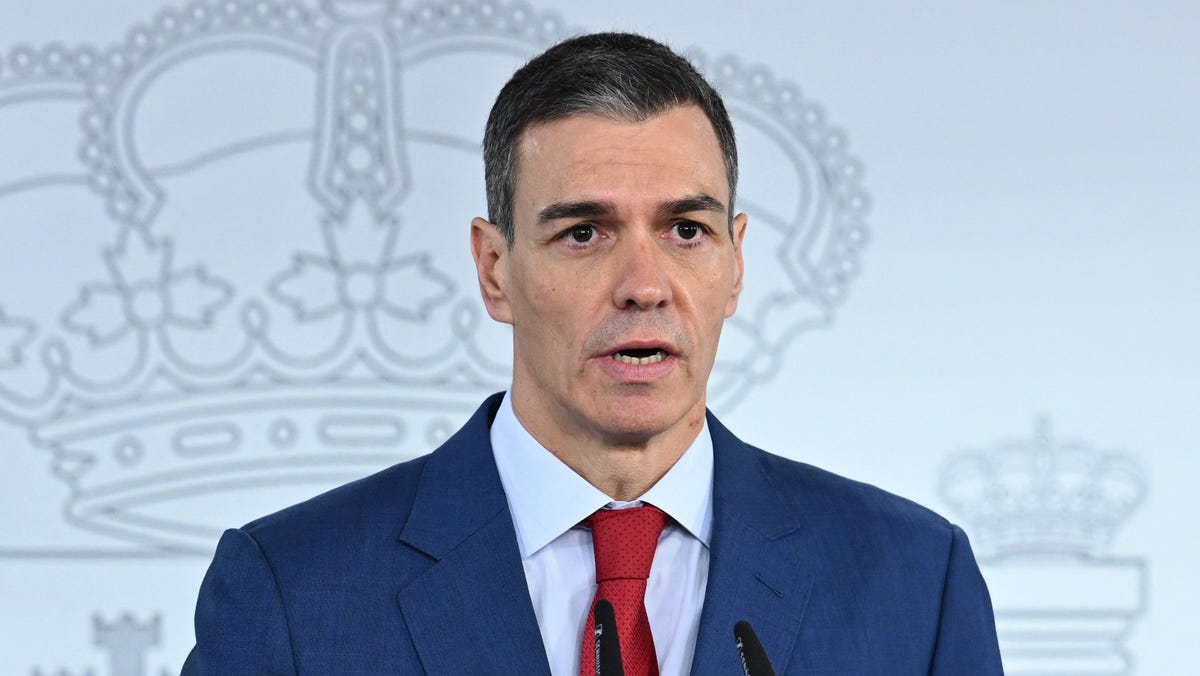
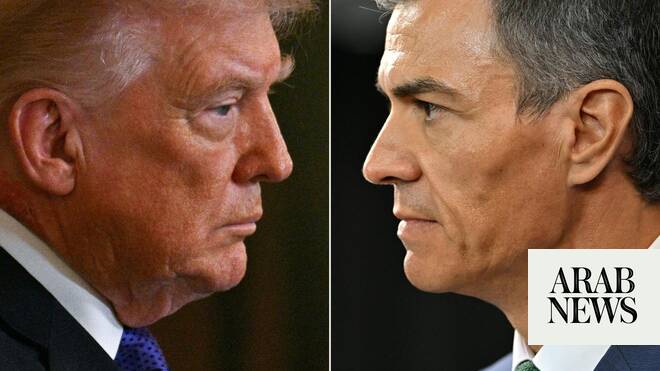
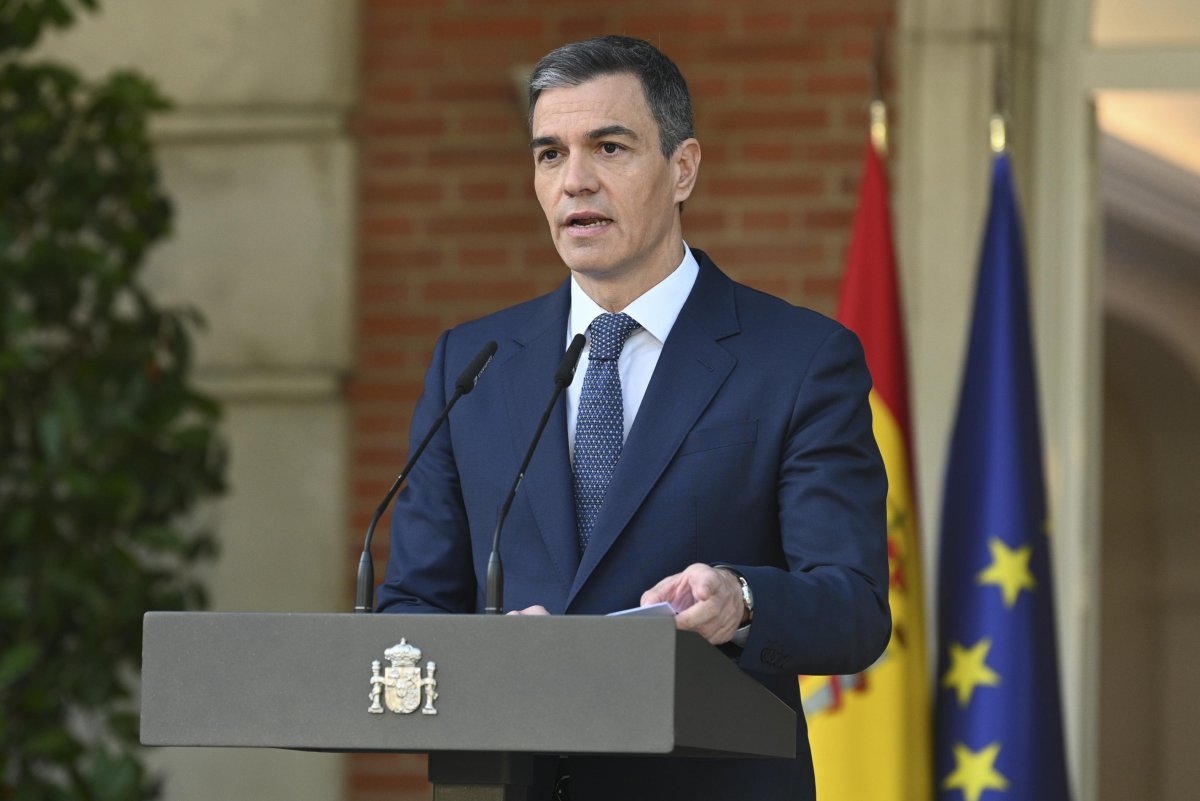
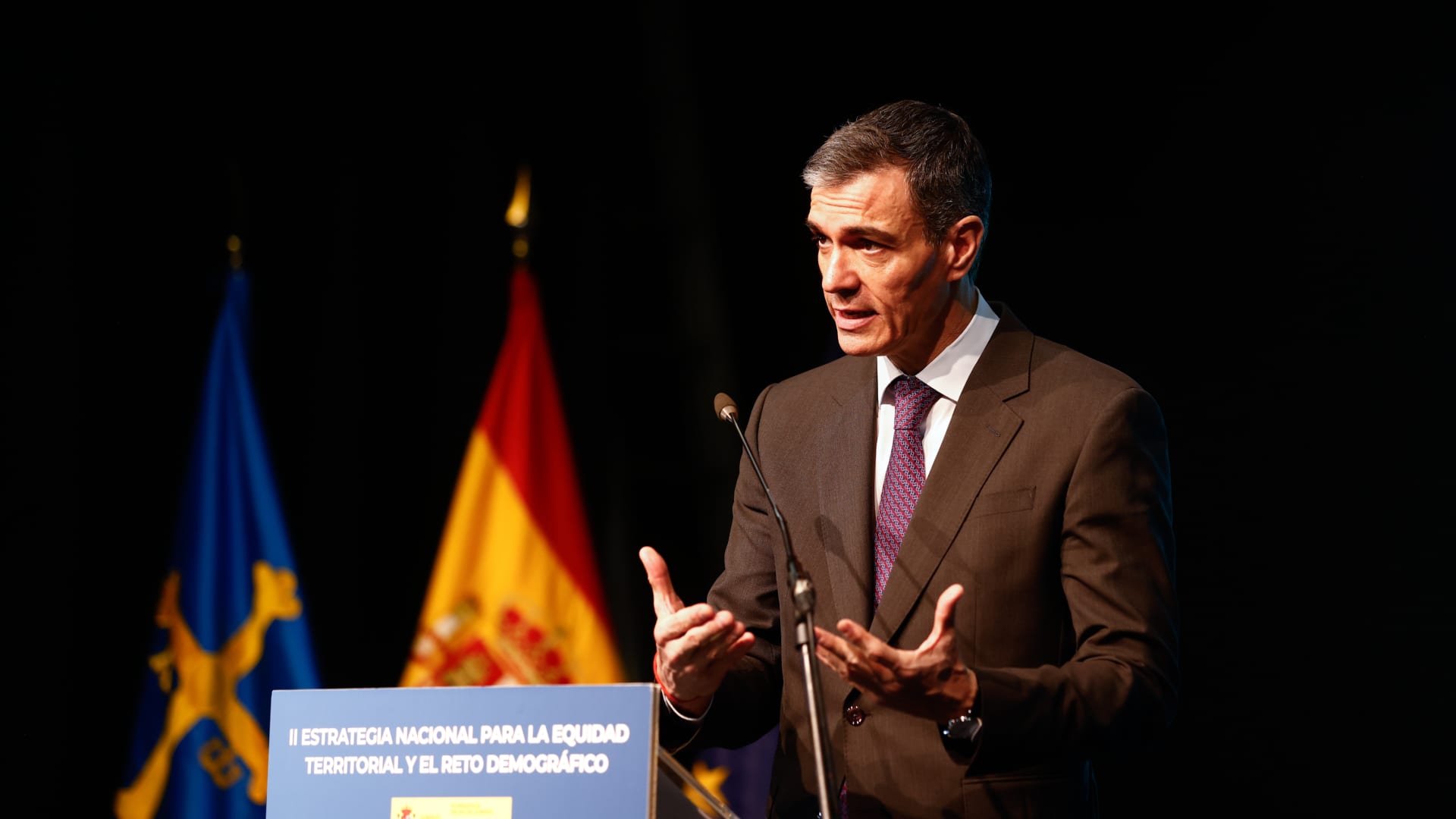
panish Prime Minister Pedro Sanchez issued a clear and firm refusal on March 6. "The Spanish government's position can be summed up in [three words]: no to war," he declared, denying the US permission to use the joint Spanish-American military bases at Rota in the province of Cádiz and Morón, in Seville, to launch attacks against Iran.
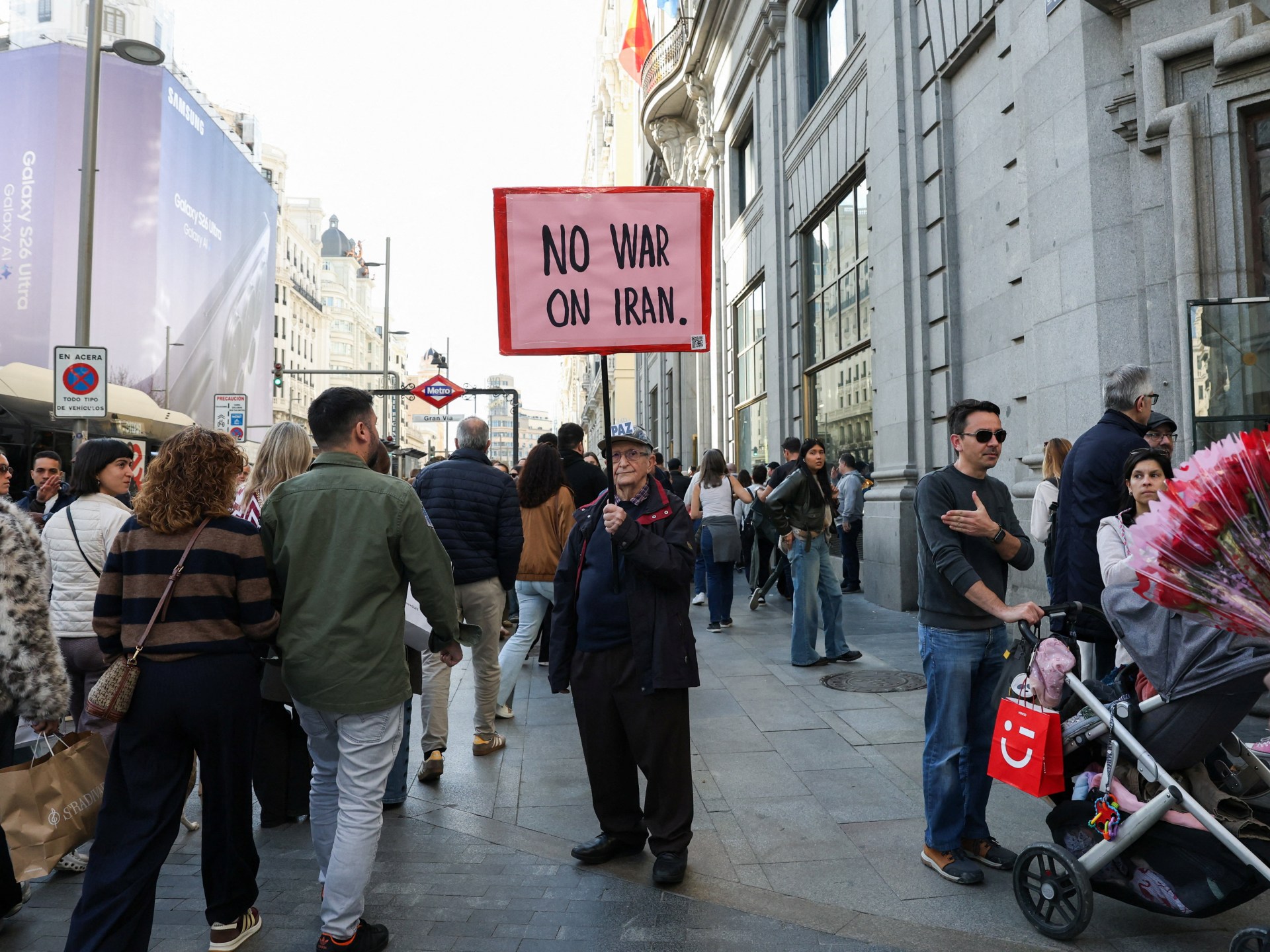
This stance echoes the previous "no to war" slogan that mobilized the Spanish left in 2003 during the Iraq conflict that was initiated by George Bush and that was supported by the conservative Spanish government of the Popular Party. The slogan galvanized the Spanish left, with more than three million people taking to the streets.
Sanchez justified his refusal by citing respect for international law – a principle that the US, which had made that the foundation of the international system since 1919, now disregards, just as it did in 2003. His position is also rooted in a longer history of rejecting American imperialism, dating back to the 1898 Cuban war between Spain and the US. While the American victory ended the Spanish Empire, it also paved the way for the rise of US imperialism.
Spain's firmness stands in contrast with France's attitude, which now seems more comfortable with US-Israeli strikes – even though in 2003, France had taken a strong stance against military intervention in Iraq without United Nations Security Council approval. The Spanish approach also differs from the cautious restraint that Germany has adopted since the attacks on Iran began.