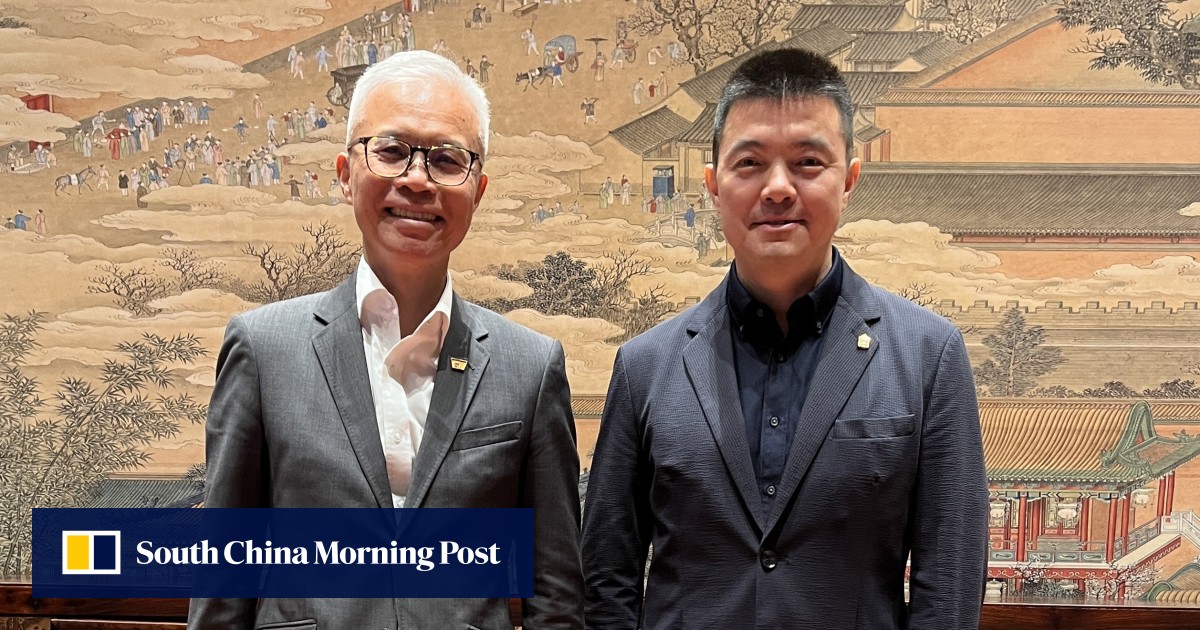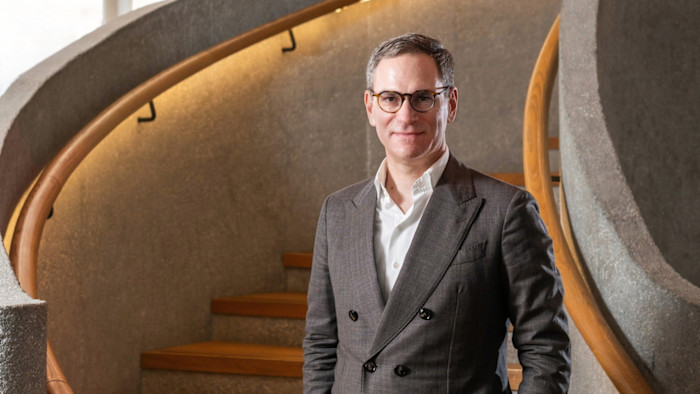
Philip Tinari is learning Cantonese. After 20 years in China, his Mandarin is, according to his CV, “near-native fluency”. But in early February, he moved to Hong Kong to take up the post of deputy director and head of art at Tai Kwun Culture and Arts Company Limited. “It’s useful to be able to understand what’s going on in meetings before they are called to order and everyone switches to English,” he says.
Until this January, the slightly reserved, besuited American was the director of Beijing’s Ullens Centre for Contemporary Art (UCCA) — a non-profit institution that helped set something of a blueprint for the plethora of museums that opened throughout China from 2007 onward. In this post since 2011, Tinari celebrated the key Chinese artists of his own generation such as Geng Jianyi and Yang Fudong alongside heavyweight western names — William Kentridge, Robert Rauschenberg — and showed himself to be adept at navigating the boundaries of censorship. “You have to give full exposure [to the authorities] of what you want to present,” he says, “and that wouldn’t be anything anti-government. Then it’s a clear yes or no. But so much art is critical of society,” he adds, implying that subtlety and deeper reading isn’t for bureaucrats.