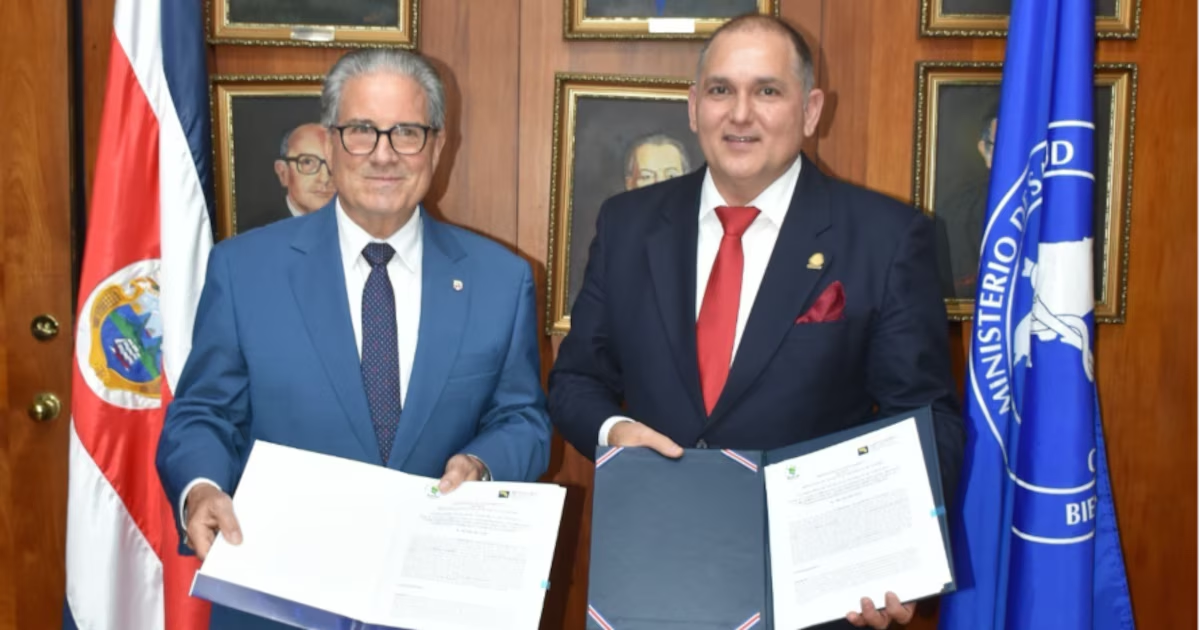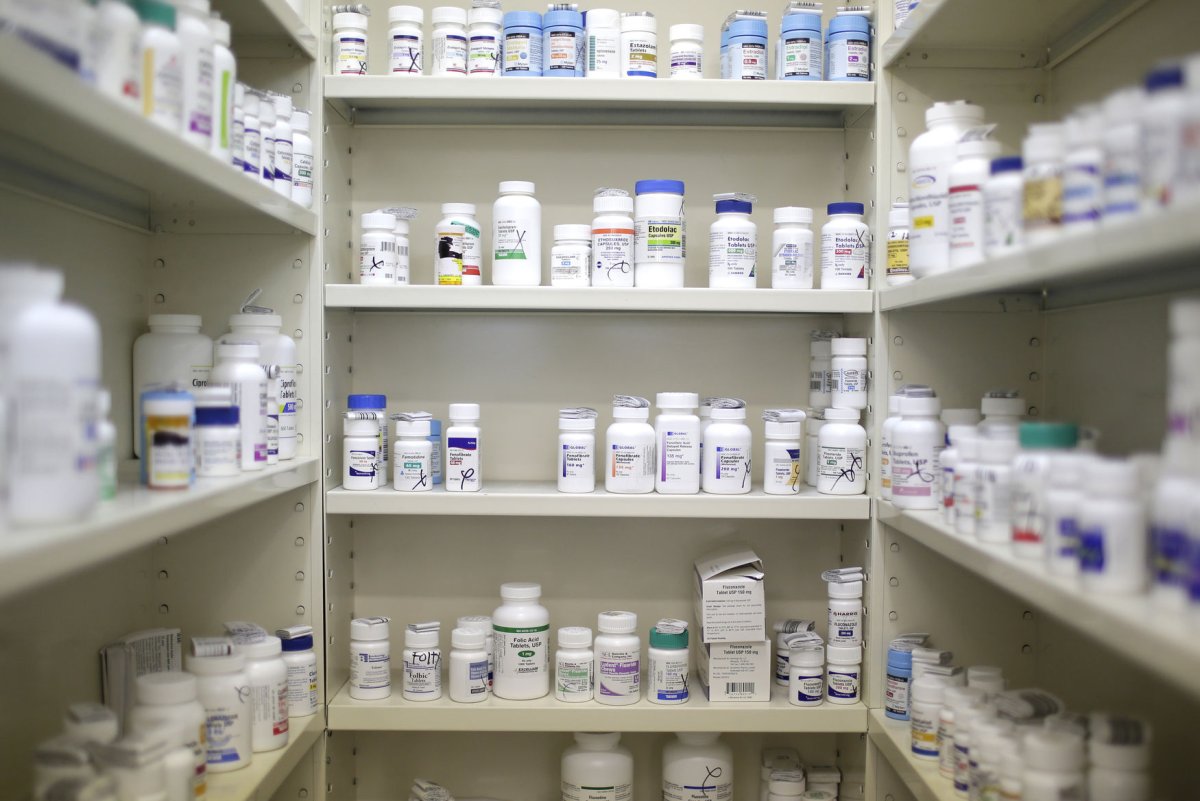
March 17 (UPI) -- When Central American leaders talk about integration, the conversation often centers on trade, customs facilitation, or security cooperation. Yet one of the region's most important recent developments is unfolding in a less visible but far more tangible area for citizens: access to medicines. In early March, health regulators from Central America and the Dominican Republic gathered in Antigua Guatemala, where they agreed on a roadmap to move toward joint regulatory decisions on medicines, including biologics and biosimilars, within the regional health coordination framework linked to the Central American Integration System (SICA).
At first glance, this may sound like a technical issue reserved for specialists. In reality, it goes to the heart of whether regional cooperation can help people gain access to life-saving treatments more quickly and at lower cost. It also offers a rare opportunity for Central American integration to prove its value in ways that ordinary citizens can actually feel.
Why this matters to citizens
For years, countries in the subregion have evaluated similar medicines through separate national procedures, even when the scientific questions are largely the same. That duplication slows approvals and discourages pharmaceutical companies from introducing new treatments in smaller markets. The logic behind joint evaluation is straightforward. Countries can share parts of the scientific review, avoid duplicating work across multiple jurisdictions, and still maintain national authority over final approvals.