Retail electricity prices are rising faster than inflation—and the fixes being discussed in Washington and state capitals could make things worse, not better. President Trump has pointed to AI data centers as a contributor, calling rising utility prices an issue that “needs some PR help.” But the real drivers are structural, and popular-sounding policies like rate freezes and blocking new energy permits would only deepen the problem.
Blocking permits for new clean energy keeps cheap supply off the system. Rate freezes and threats to exit competitive power markets would chill investment just at the exact moment a grid built for a 20th-century economy is being asked to support 21st-century demand. So what’s really driving prices up—and what would actually work?
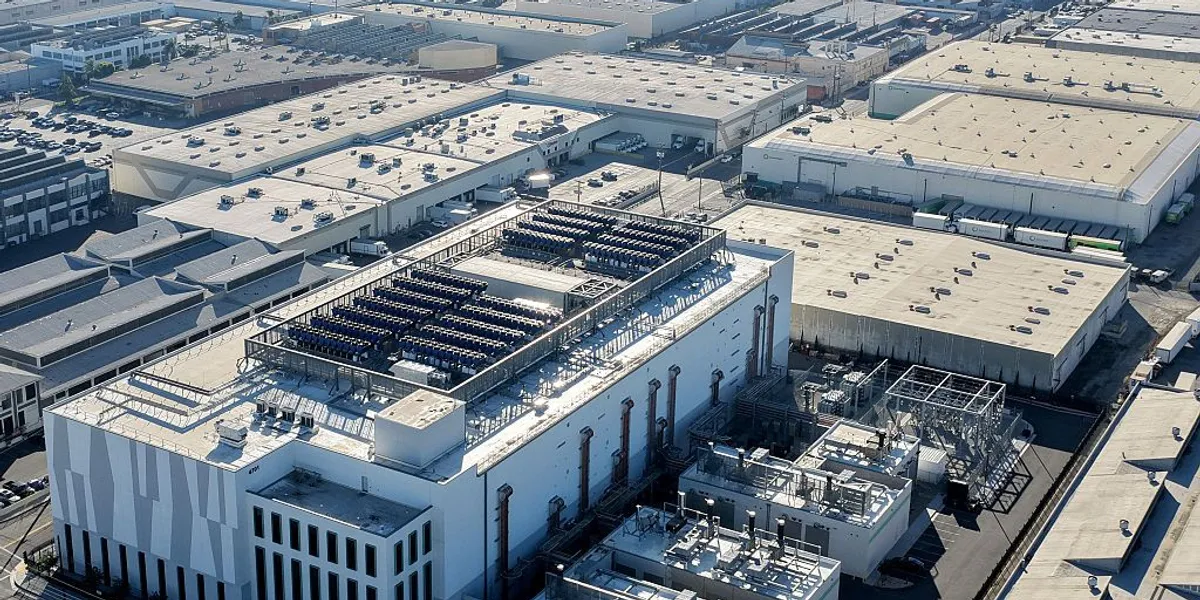
Electricity rates are climbing for several overlapping reasons, and anyone promising a quick fix is either mistaken or misleading you. Power demand is surging, driven in large part by artificial intelligence and energy-intensive data centers.
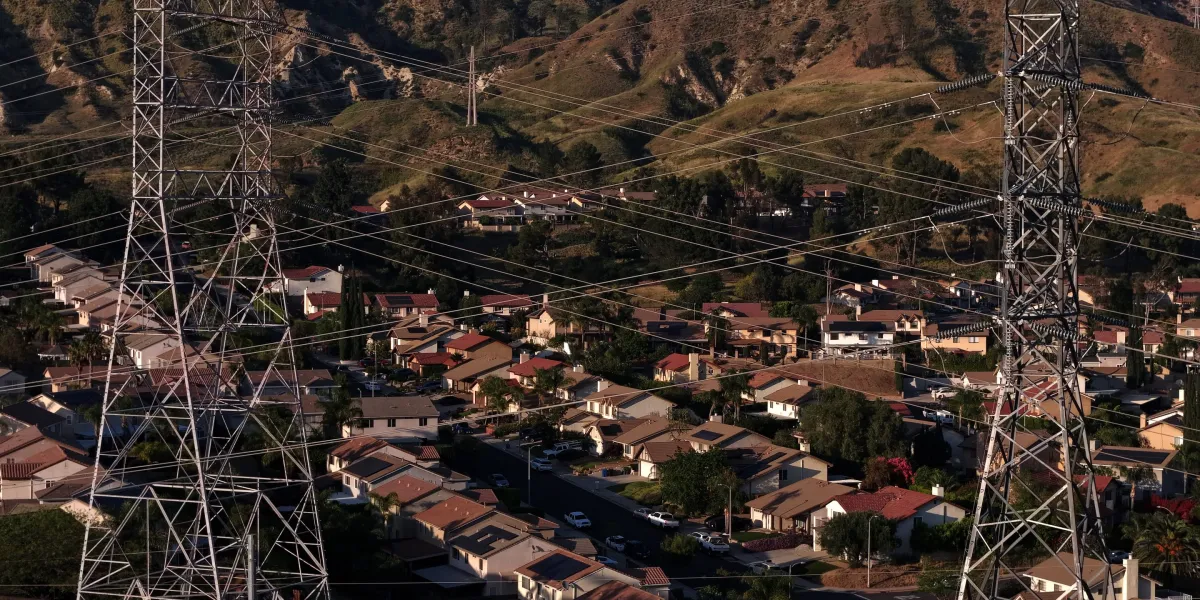
Utilities are also spending vastly more on the “poles and wires” side of the system: the Energy Information Administration reports that transmission spending nearly tripled from 2003 to 2023, reaching $27.7 billion, while distribution spending hit $50.9 billion in 2023. On top of that, regulators appear to be approving utility profit rates higher than necessary—right as aging infrastructure demands costly upgrades.