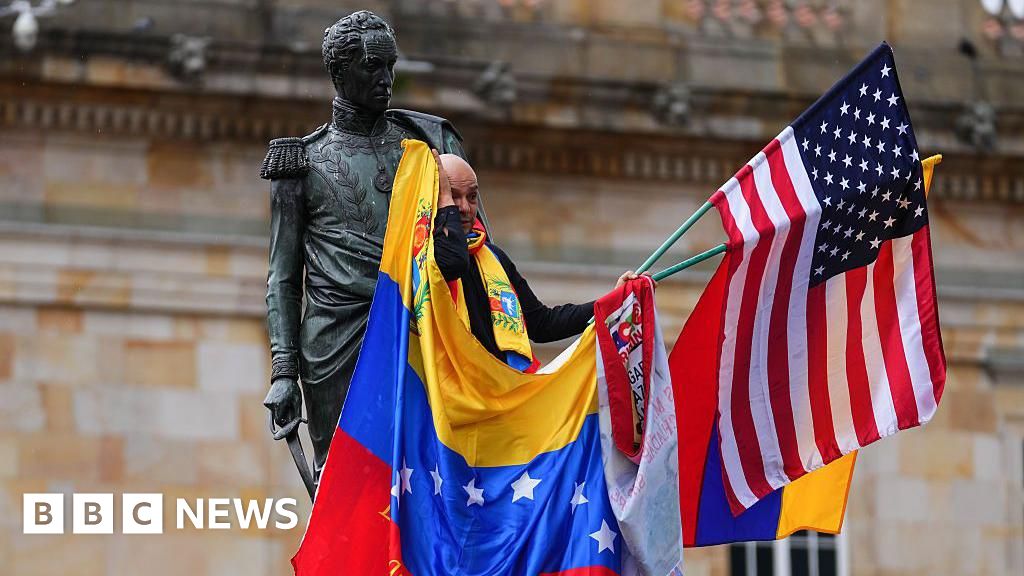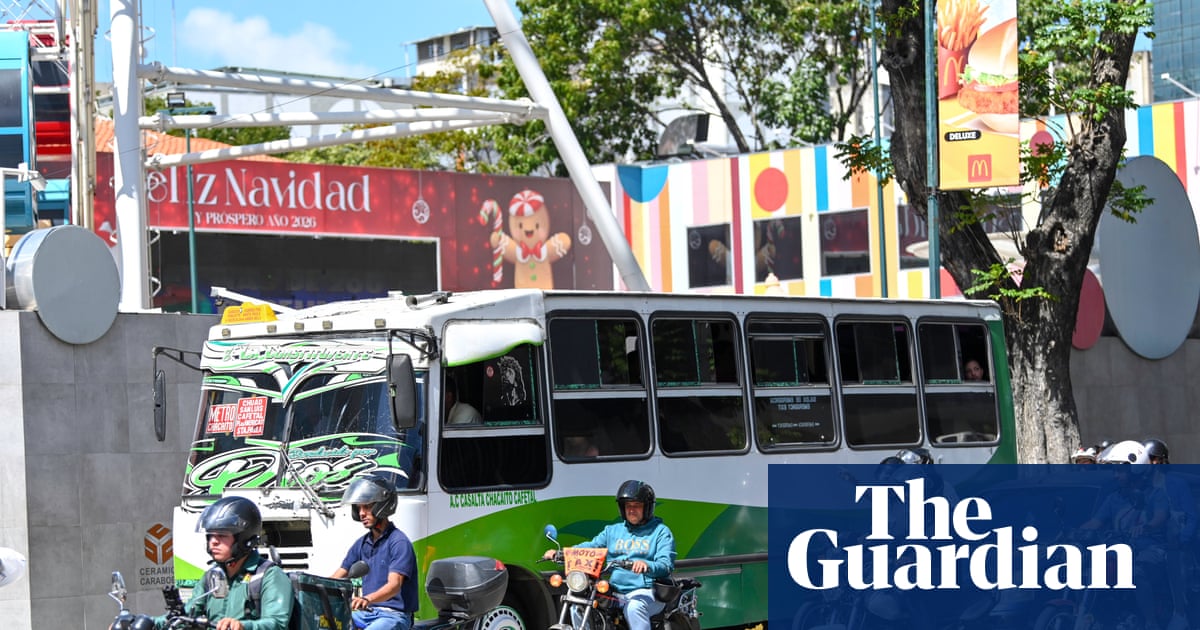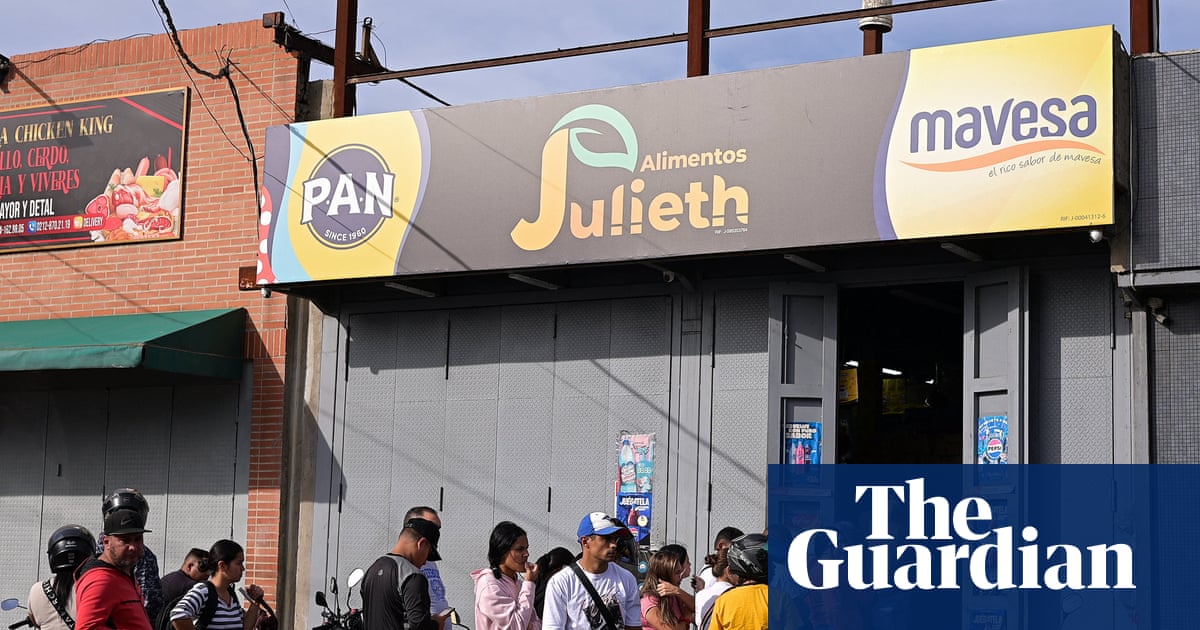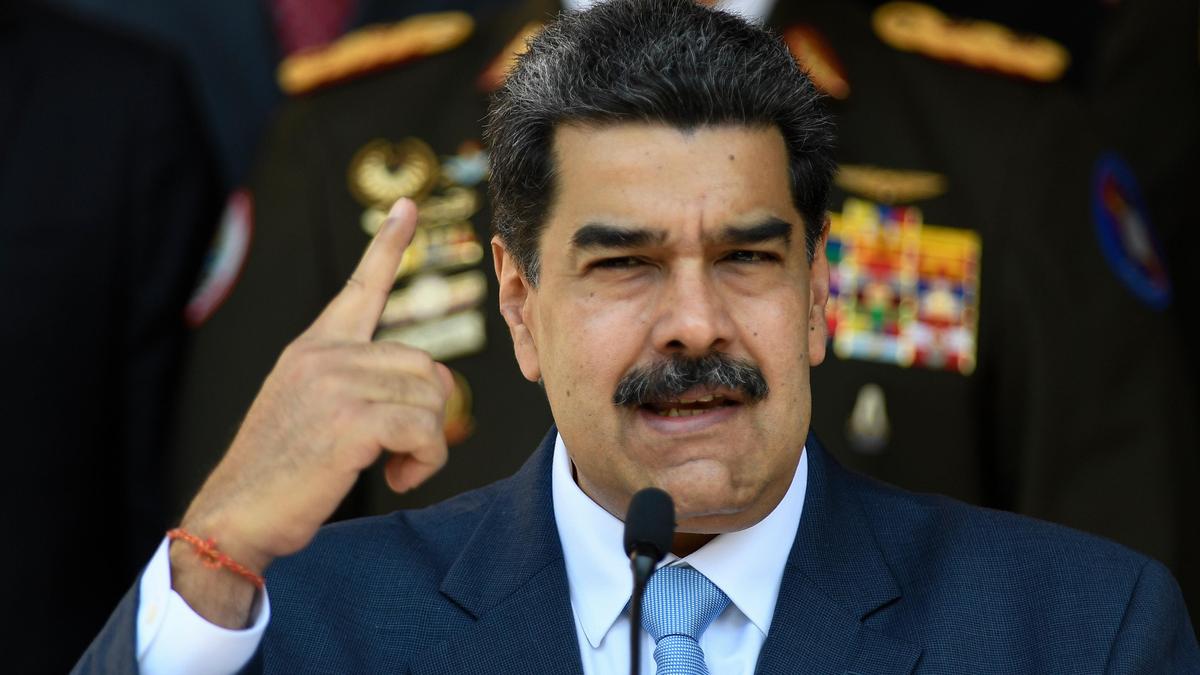
Landing in Caracas, it might seem that little has changed since the US strikes on 3 January and the seizure by US forces of former Venezuelan President Nicolás Maduro.
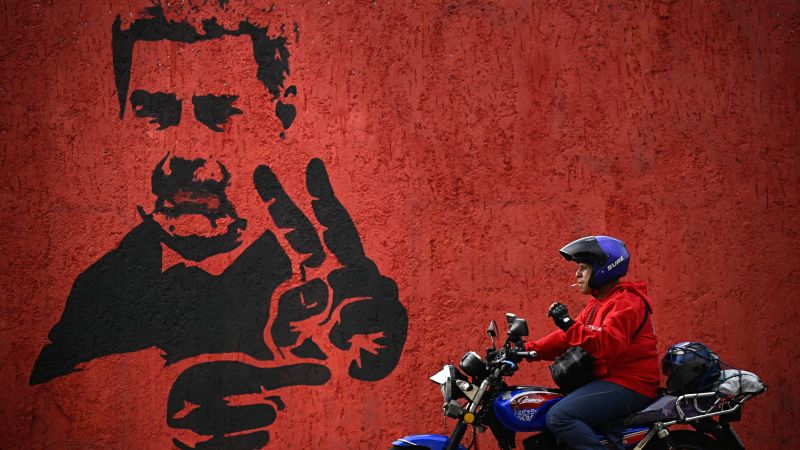
The airport walls are plastered with "wanted" posters for the last election's opposition candidate, Edmundo González, accusing him of violent acts. Roads are lined with billboards of Maduro and his wife, now bearing the hashtag: "We want them back."
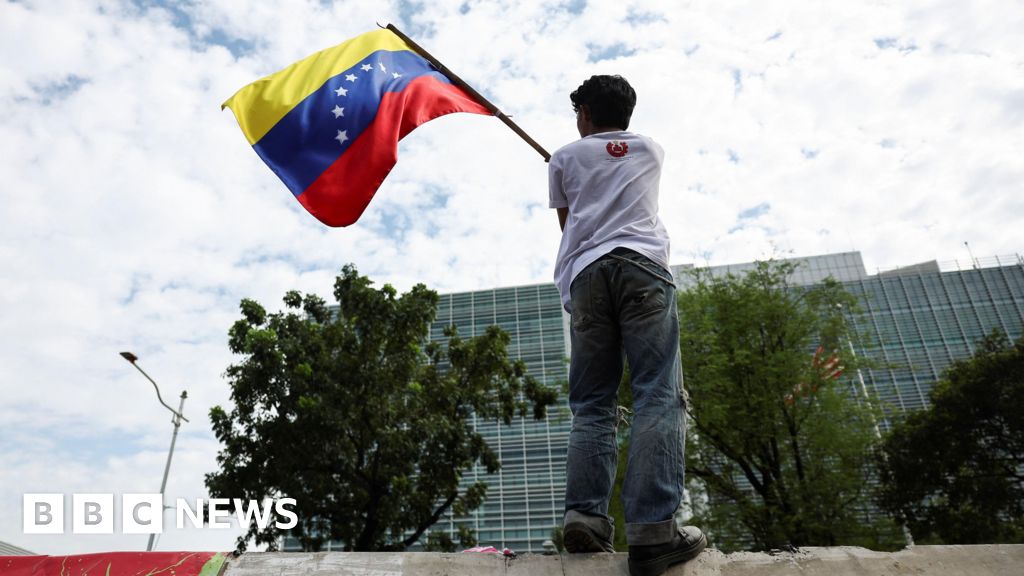
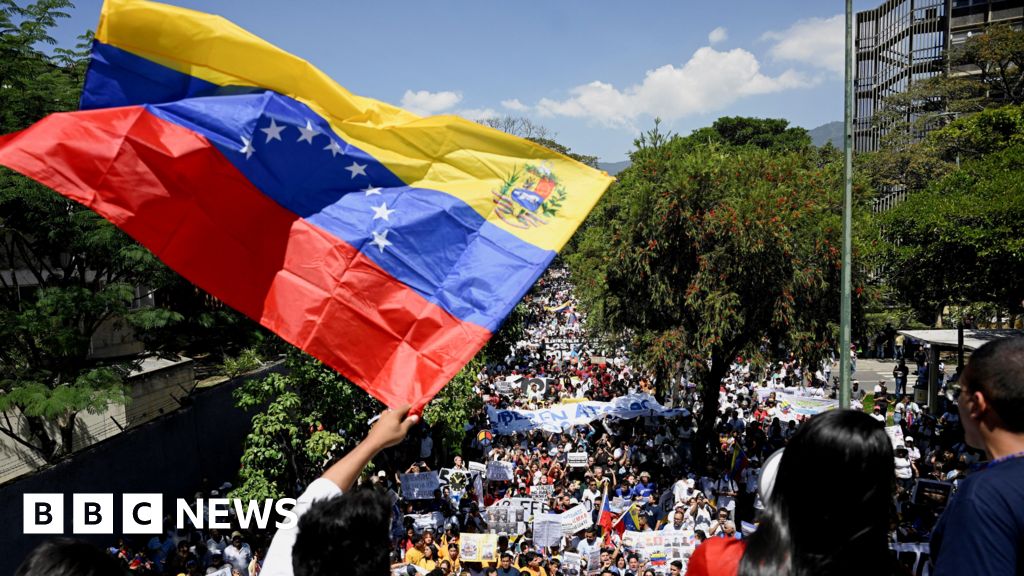
On 3 March, a government rally marked two months since Maduro's arrest, with crowds donning T‑shirts bearing his face, repeating loyalist slogans.
"We have a constitutional president until his term expires who right now is a victim, a prisoner of war Venezuela didn't start, our priority is to recover him," one young protester Alí Rodríguez told the BBC.
But away from the main crowds, some wearing loyalist uniforms whispered a different story: they are public employees, obliged to attend, and still fear speaking freely.