https://arab.news/wkjy4
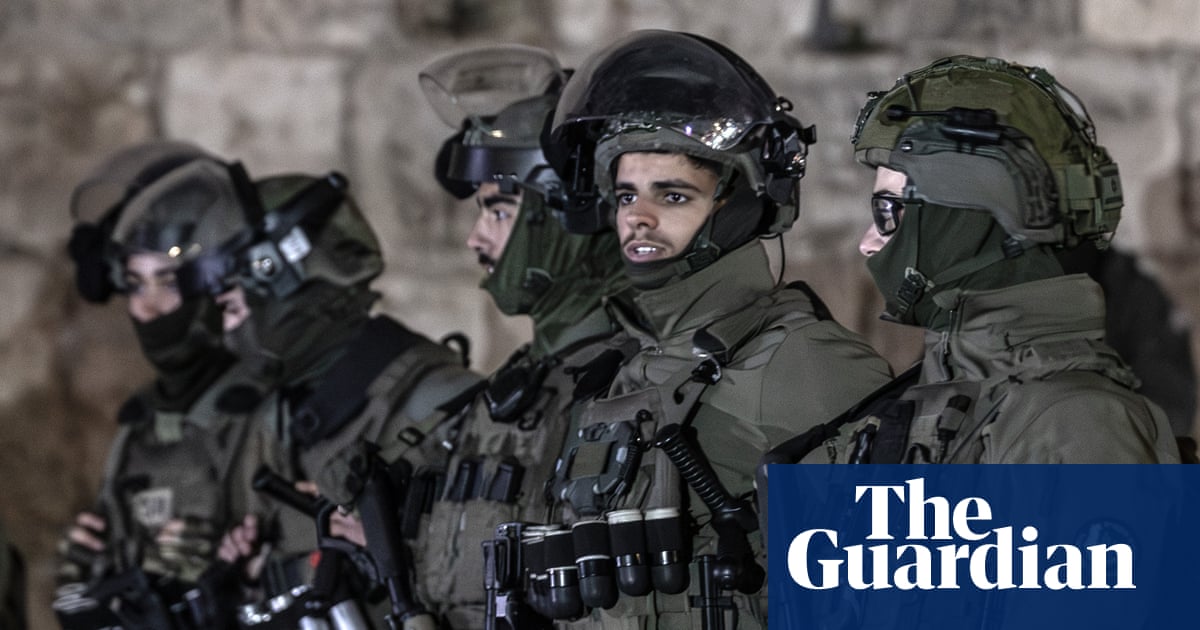
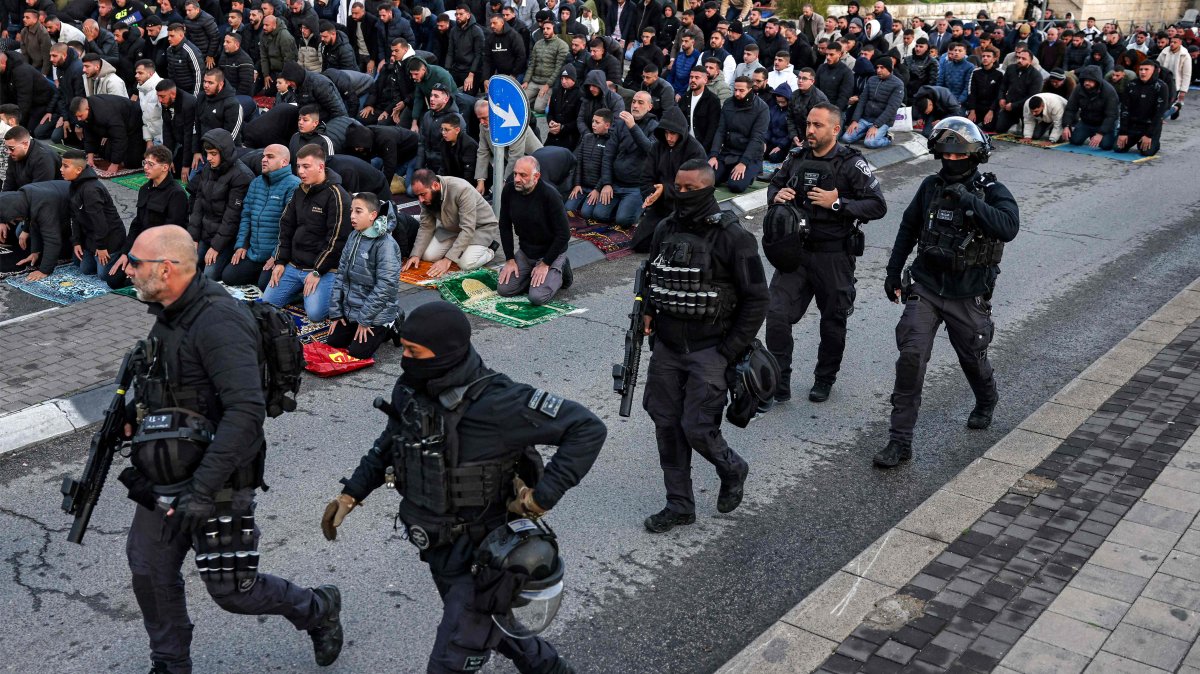
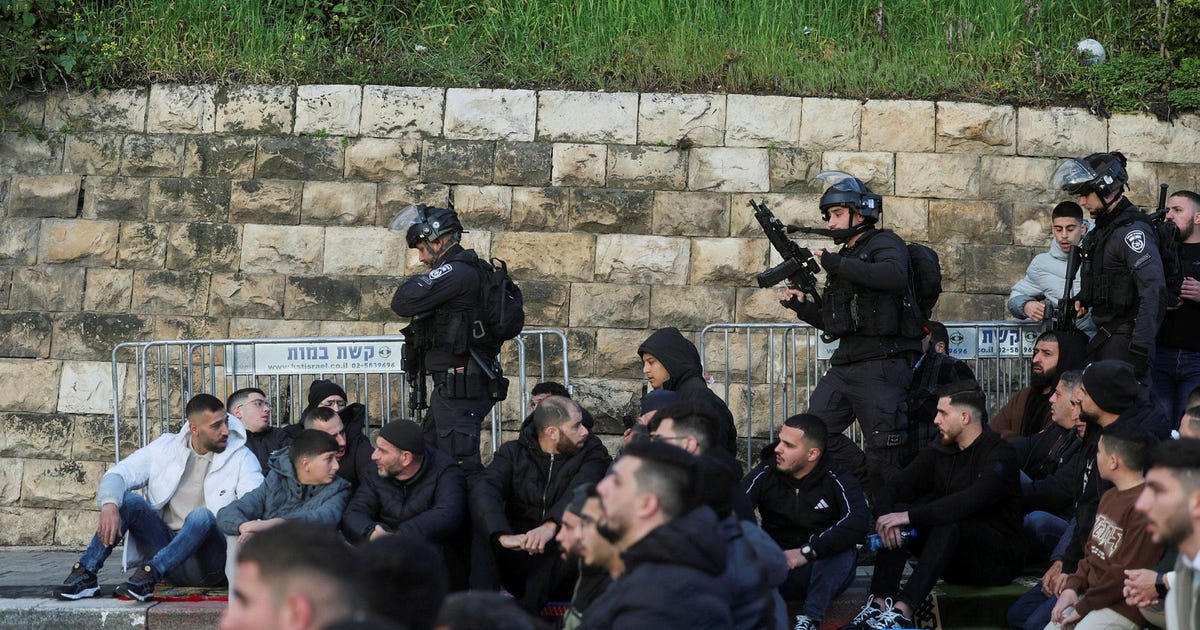
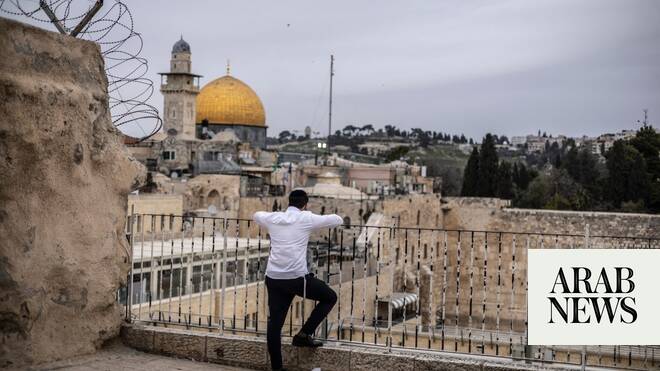
The unilateral decision by Israeli police to close Al-Aqsa Mosque — Islam’s third-holiest site — has ignited a fresh wave of regional concern and international scrutiny. The measure comes at a moment of heightened tension in a city that has long been at the heart of competing religious claims. The closure of the mosque during the last 10 days of the holy month of Ramadan is unprecedented; it has not happened since the Israeli occupation began in 1967. Many are concerned that sinister motives lie behind the restrictions on worship in the large compound.
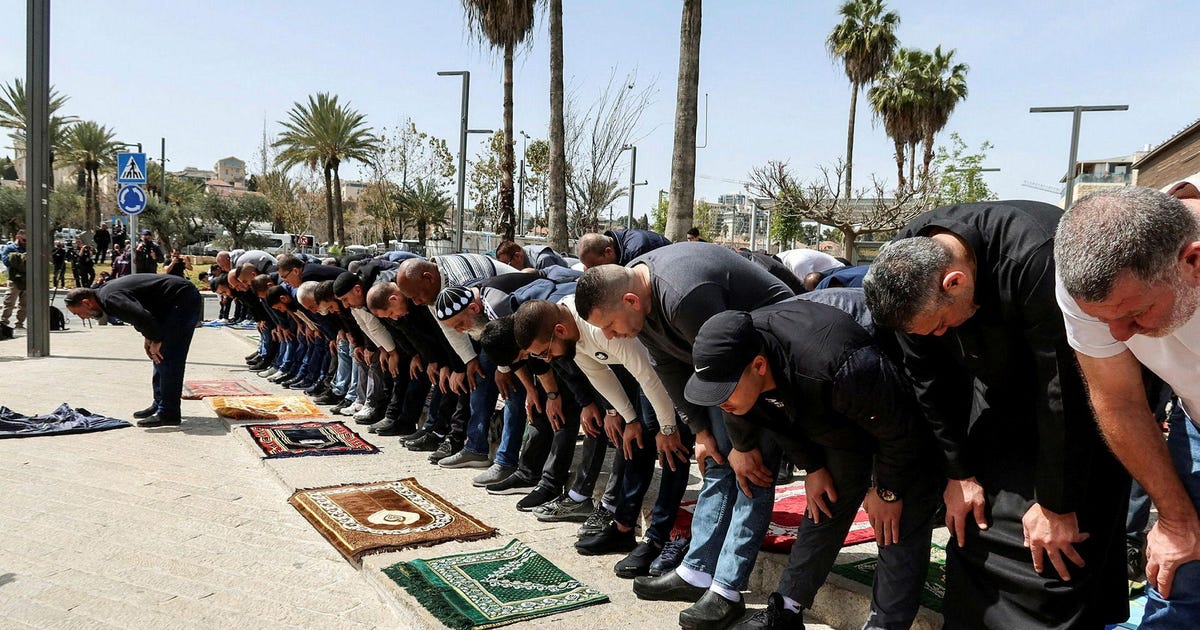
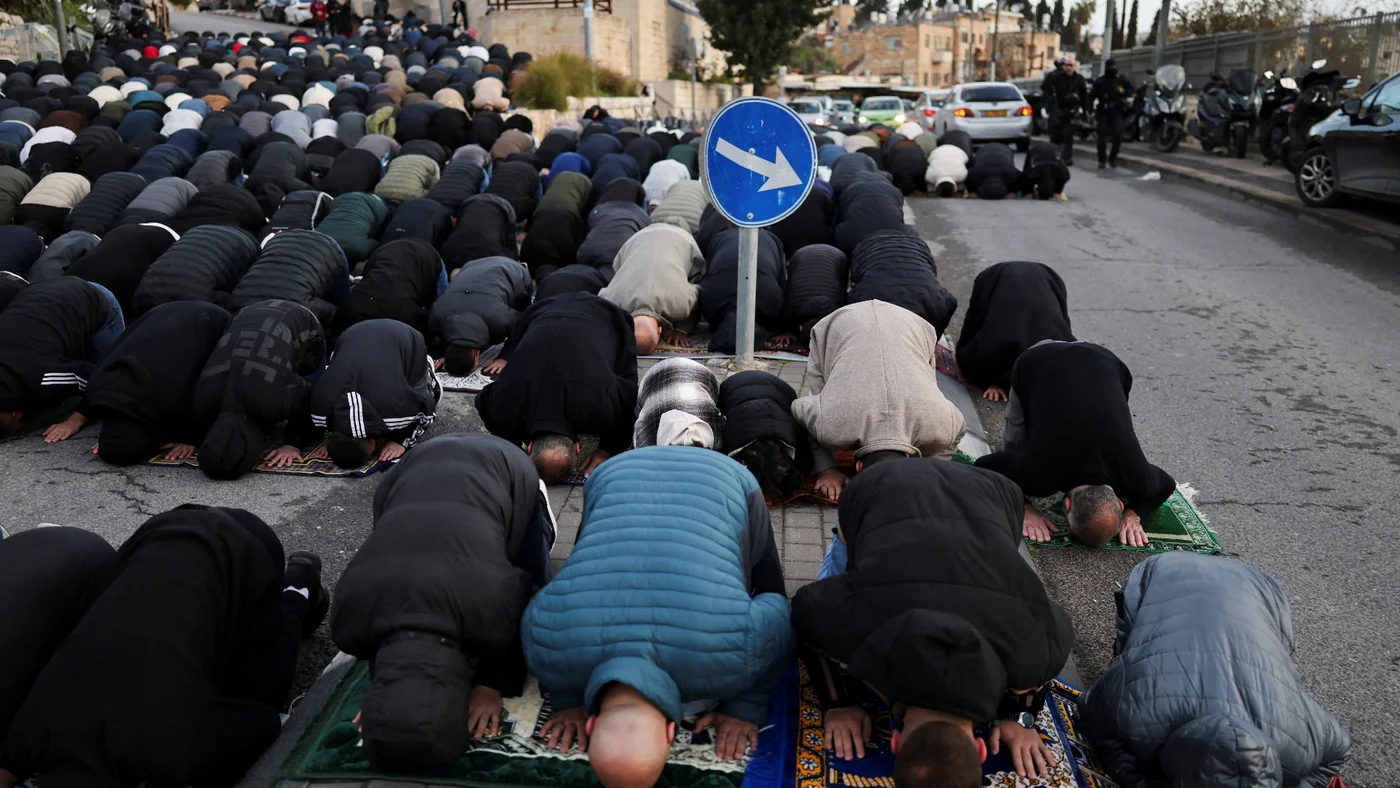
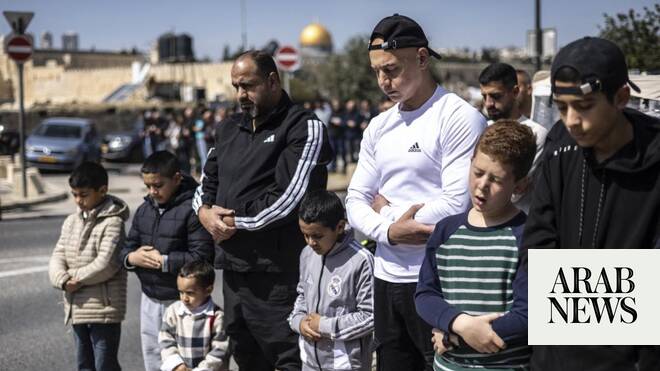
On the ground, the reality is as stark as it is troubling. Israeli security closed Al-Aqsa’s gates to worshippers during Ramadan, when access, communal prayer and collective fasting define the spiritual rhythm of millions. Israeli authorities have argued that the Old City’s holy sites must be closed because of the broader war dynamic surrounding Iran. Yet Palestinians point to a troubling inconsistency: while access to the Old City is restricted, mosques outside its walls remain open under different parameters and the wider system of movement controls continues to influence who can reach the compound.
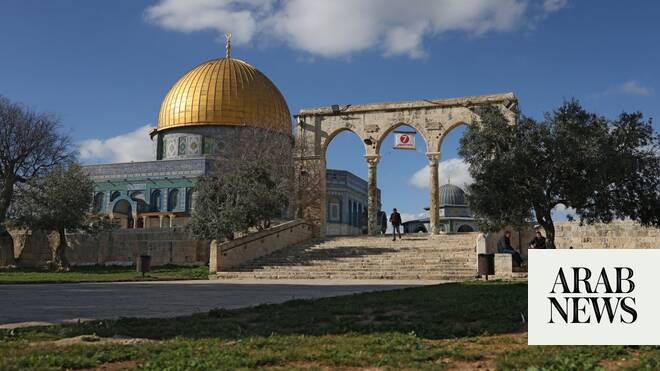
The Al-Aqsa complex has long been managed under Hashemite custodianship, with Jordan’s waqf in day-to-day charge. The 144-dunum area of Al-Haram Al-Sharif includes mosques, a museum, other facilities and open spaces. Qur’an studies for small groups, which are traditional during Ramadan, have been banned and families are not being allowed to break their fast and hold Taraweeh prayers.