https://arab.news/y7a22
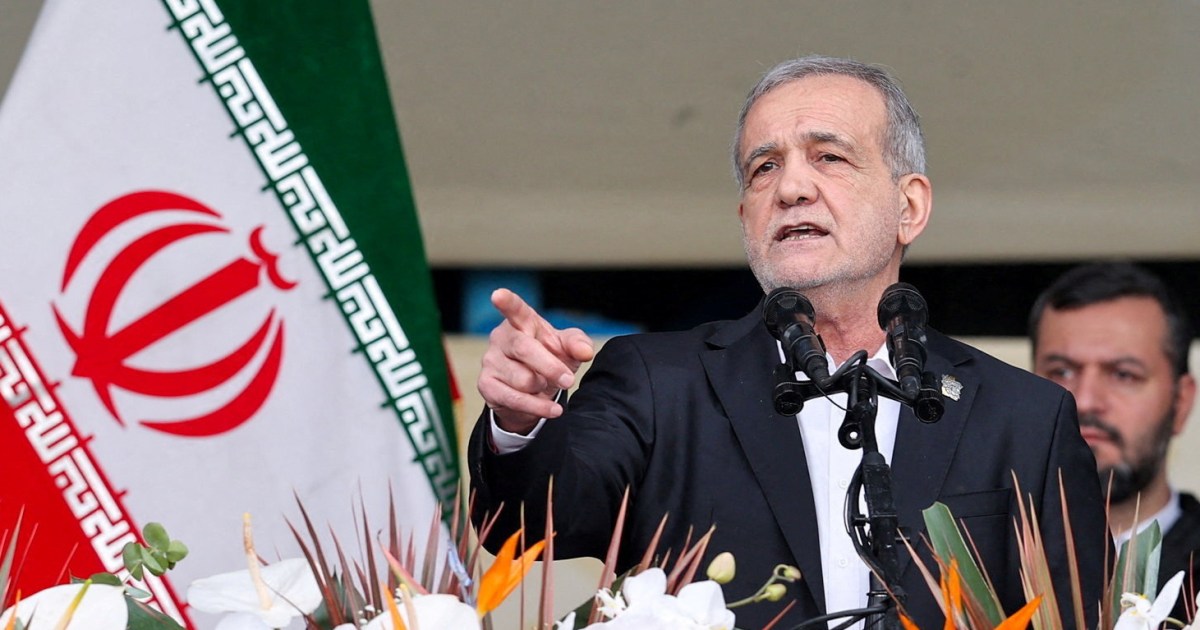
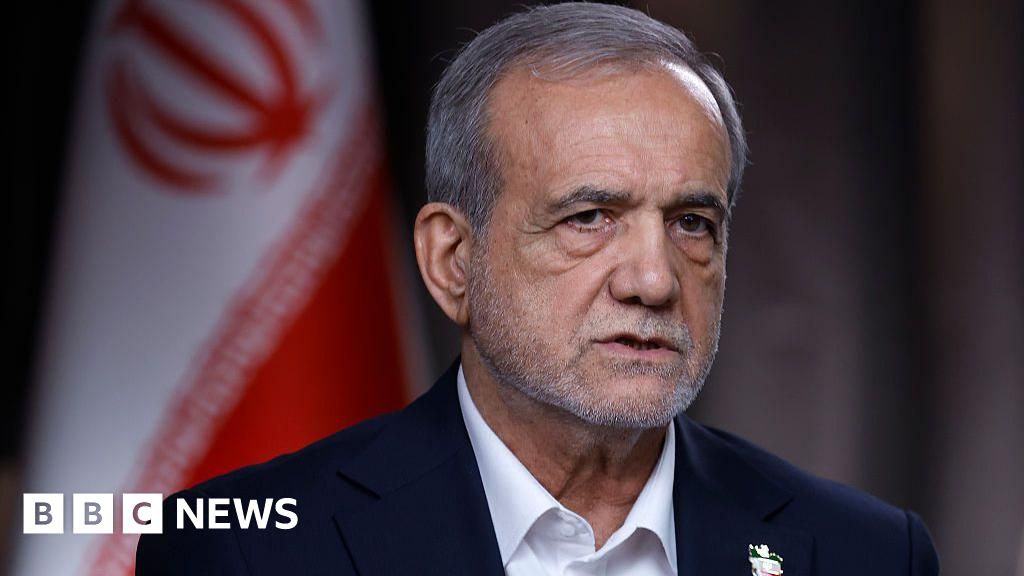
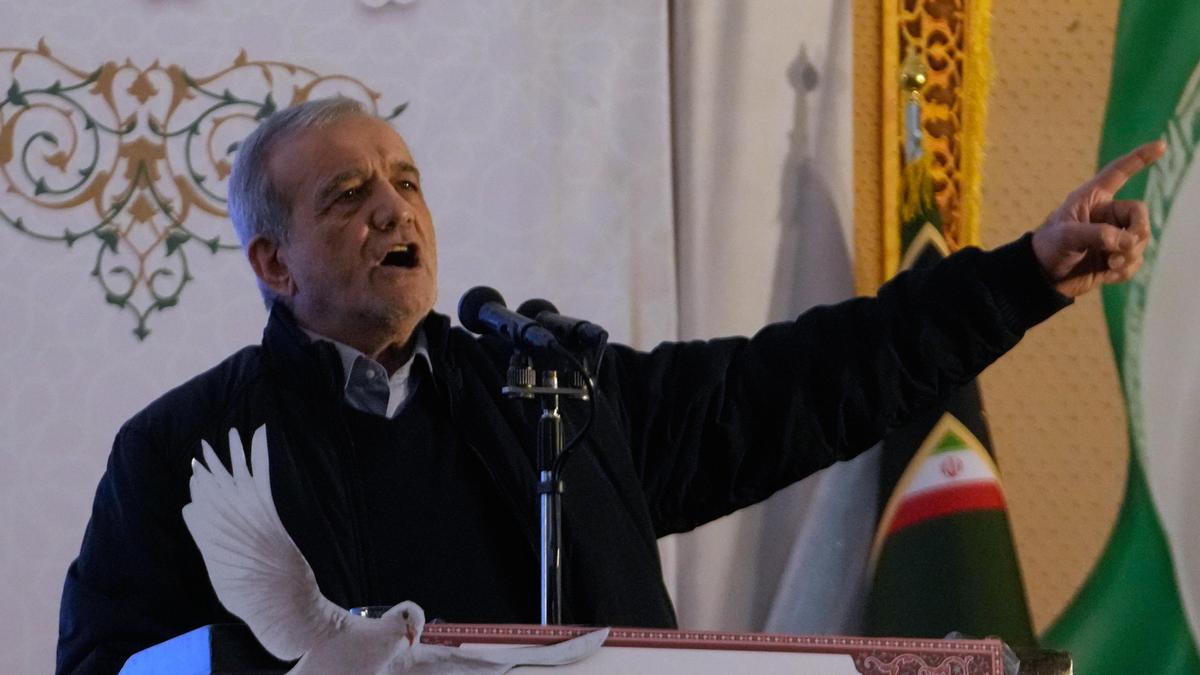
On Saturday, March 7, Iranian President Masoud Pezeshkian made headlines when he gave a statement that was wholeheartedly welcomed across the Gulf. “I personally apologize to the neighboring countries that were affected by Iran’s actions,” the president said in a televised address. “What happened was that our commanders and our leader lost their lives following barbaric aggression, and our armed forces ... fired at will because their commanders were absent and did whatever they deemed necessary.”
This came shortly after a wide-ranging interview that Iran’s ambassador to Saudi Arabia, Alireza Enayati, gave to AFP. In it, he thanked Saudi Arabia for not allowing its airspace to be used in attacks on Iran and denied that Tehran had targeted the US Embassy in Riyadh or the Shaybah oil field.
Many observers, yours truly included, breathed a sigh of relief. The indiscriminate attacks targeting civilians in Gulf countries, particularly in Saudi Arabia (which had signed a nonaggression treaty with Tehran in Beijing in 2023), were assumed to have been a result of strategic miscalculation and were given the benefit of the doubt. This is despite the repeated pattern, and the clear indication that Tehran sought to target oil facilities to make the war as expensive as possible for America and the world at large.