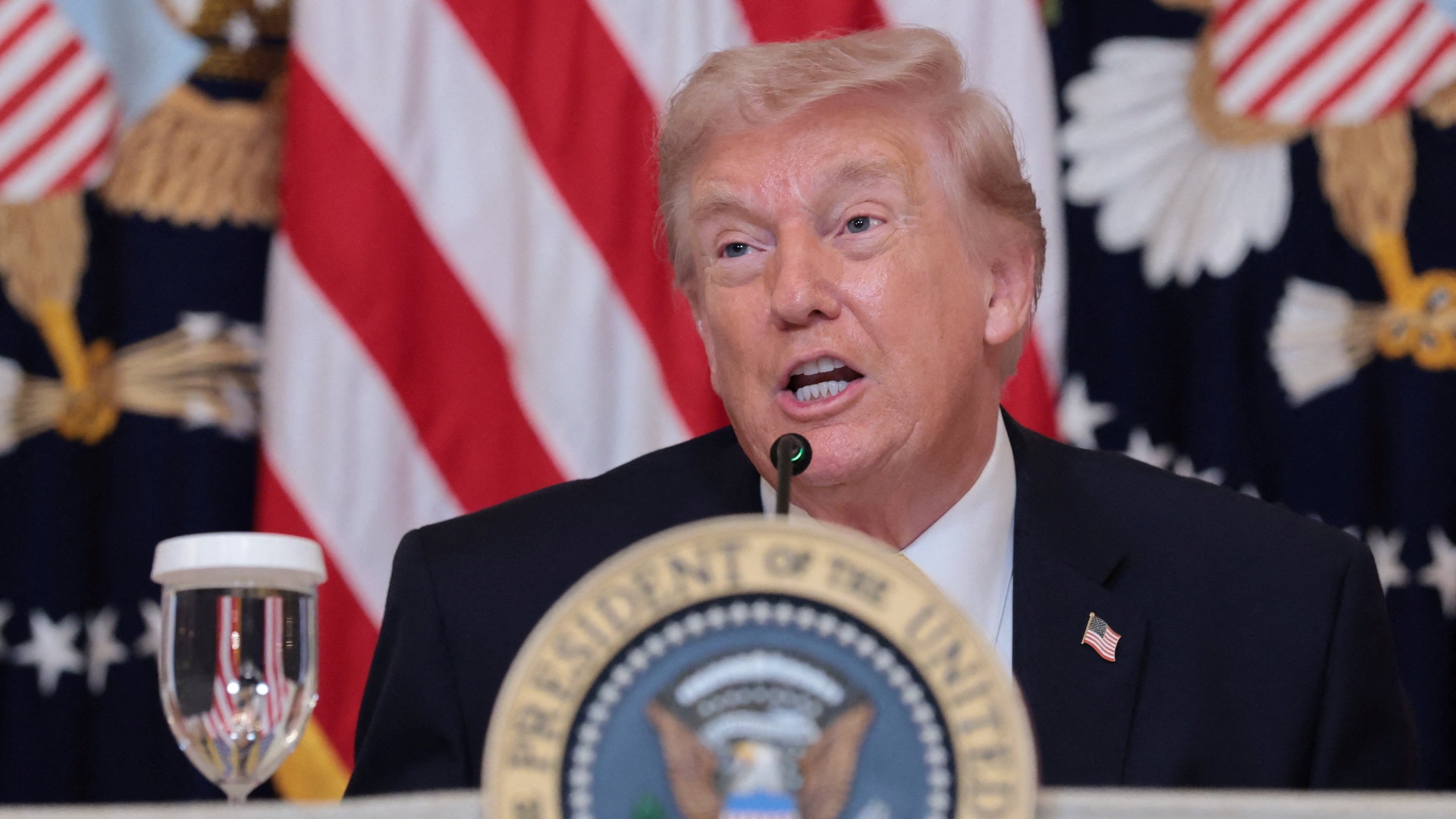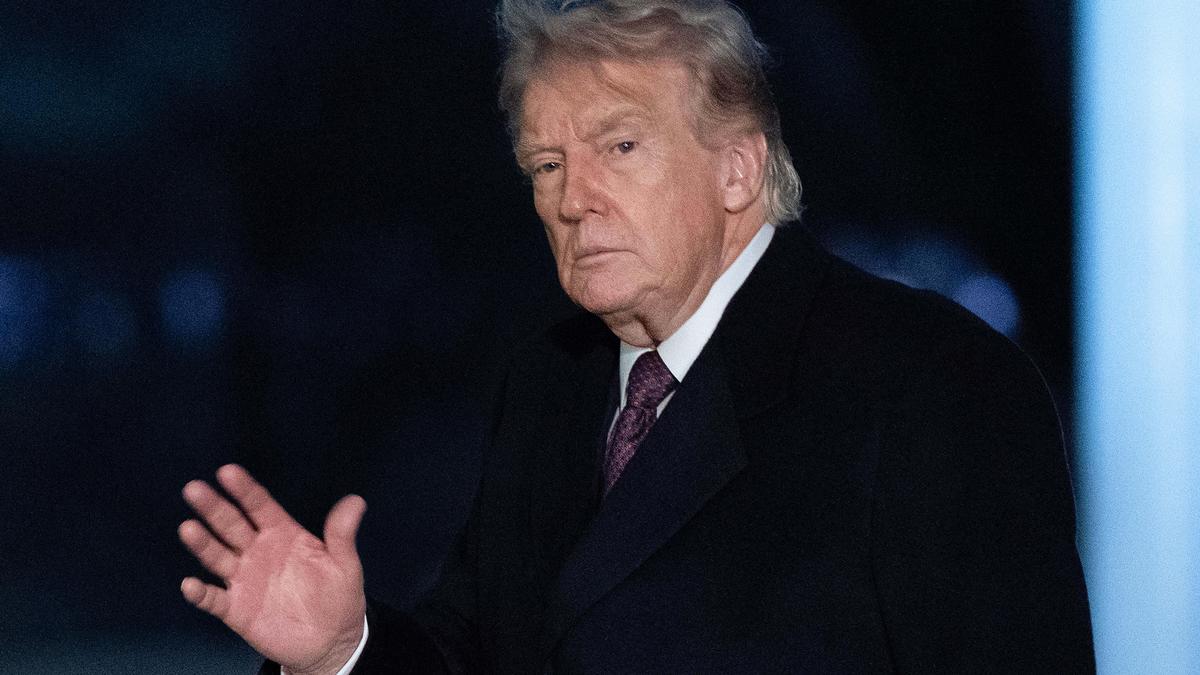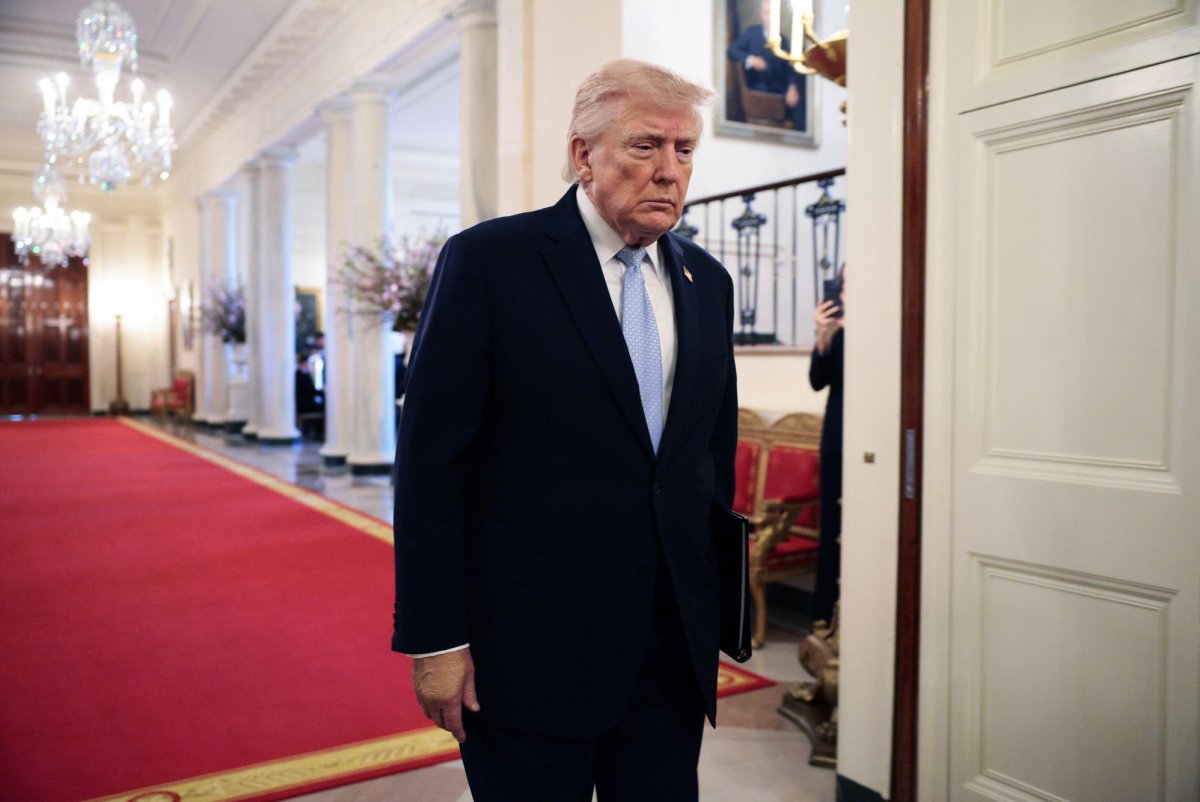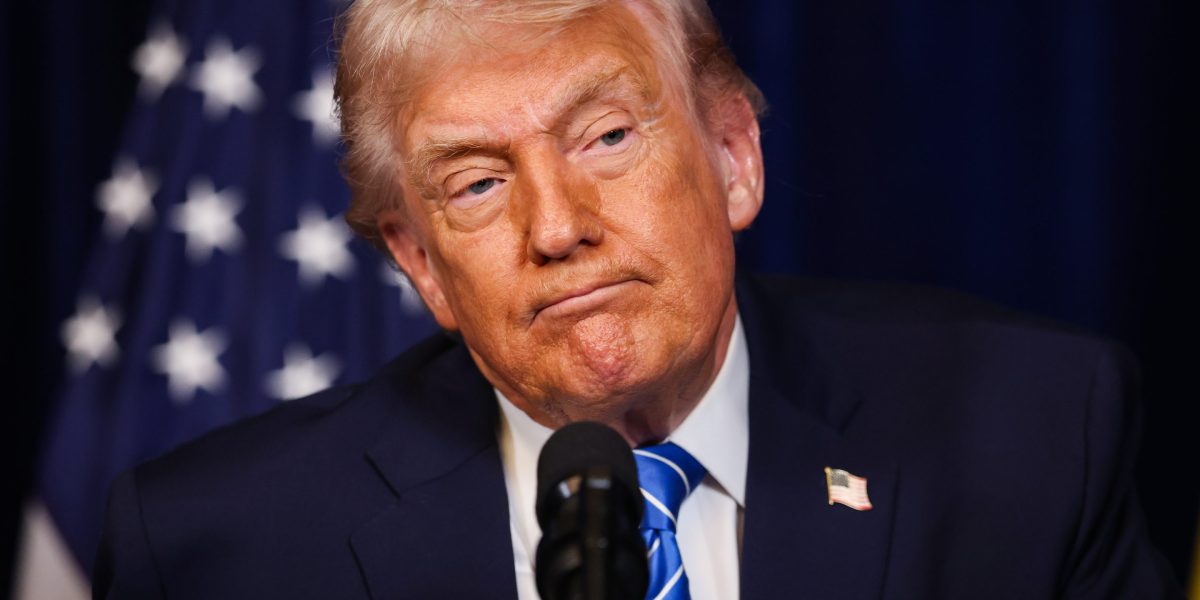
More than two weeks into a war President Donald Trump started without asking allies for buy-in, he is now asking for backup, and mostly getting left on read.
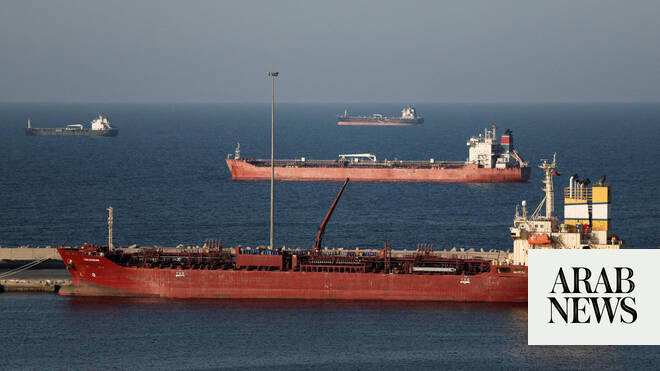
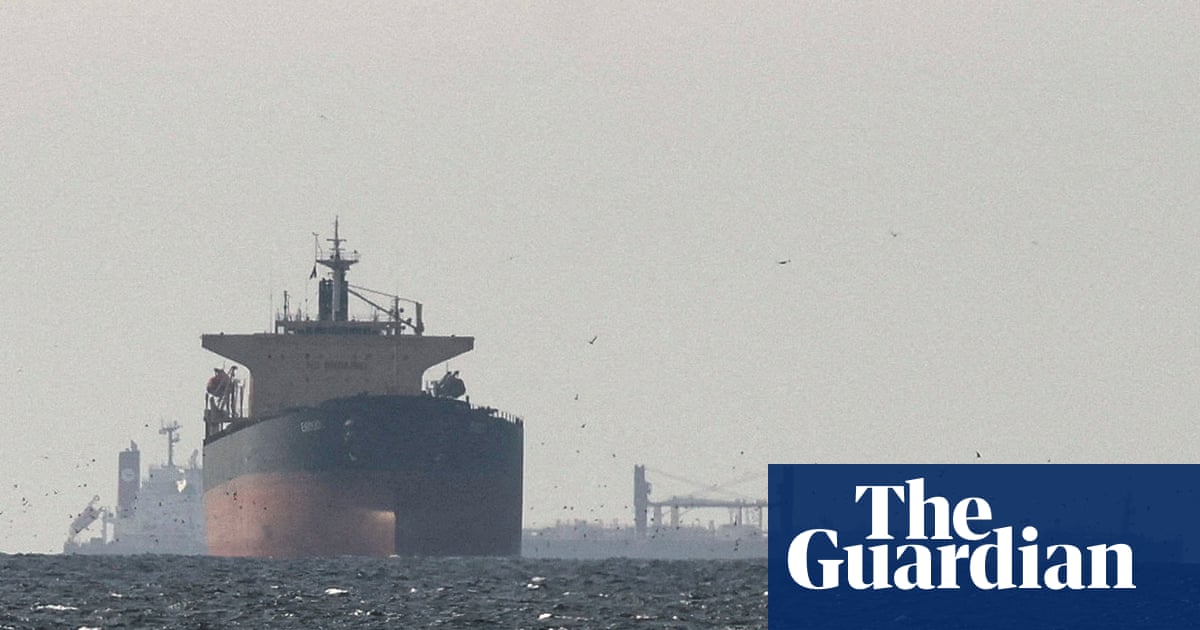
Trump spent the weekend demanding that allies, China, and other Asia-Pacific nations send warships to help reopen the Strait of Hormuz, the chokepoint through which a fifth of the world’s oil normally flows. He even warned Sunday that NATO faces a “very bad future” if allies don’t step up, marking another threat just two months after he precipitated an existential crisis for the alliance over Greenland.
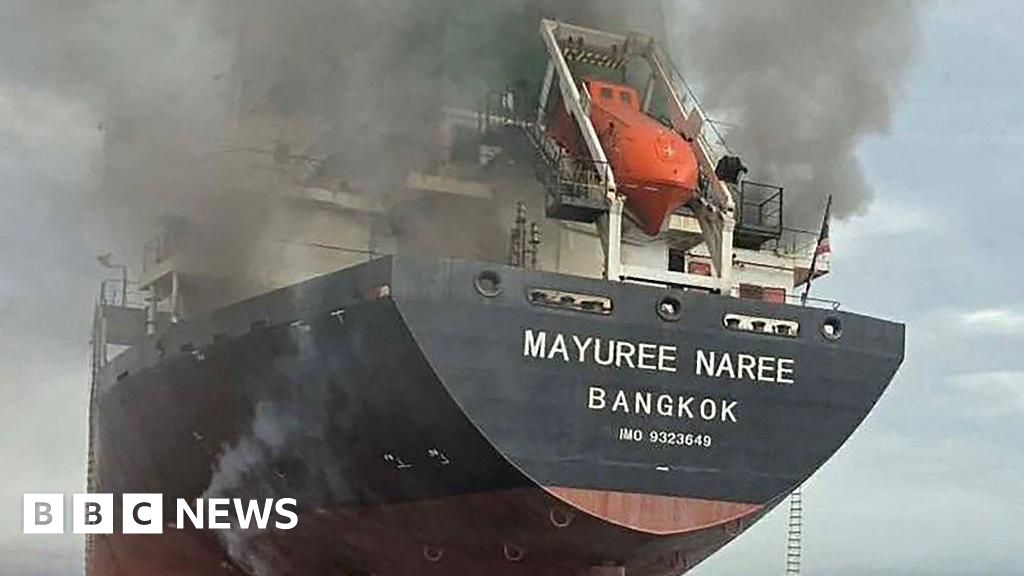
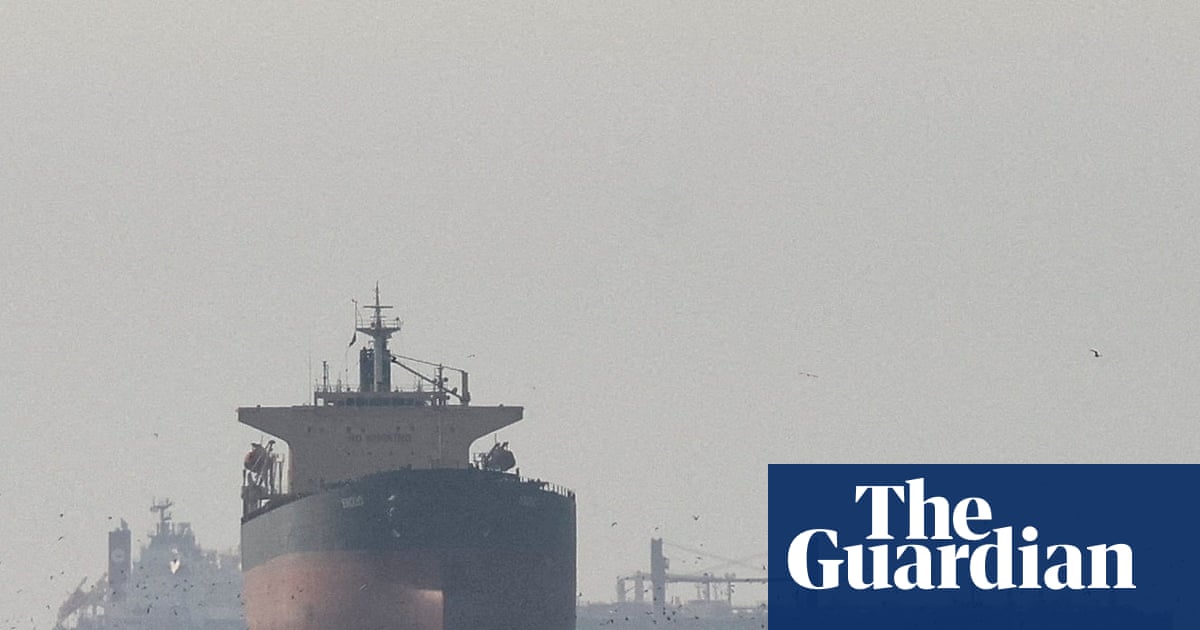
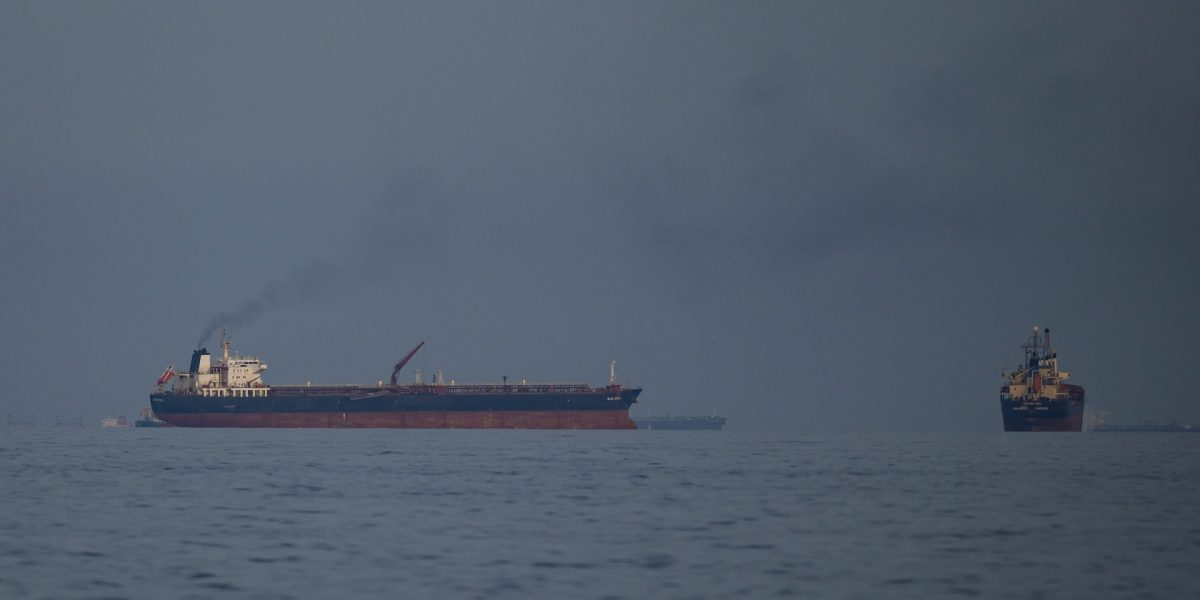
Since the U.S. and Iran launched strikes on Feb. 28, Iran has effectively shut the waterway and may have even begun laying mines. Over the weekend, the messaging around the Strait of Hormuz remained muddled: Tehran said that the Strait was “open to all” except America and its allies, while Treasury Secretary Scott Bessent claimed on CNBC Monday morning that it was the U.S. that “allowed” Iranian oil tankers to cross the strait. The price of U.S. oil lowered significantly on Bessent’ s comments, now under $95 a barrel.
Despite the posturing, only a handful of ships have crossed the Hormuz over the last few days. And the response from the international community to Trump’s calls has varied from a polite silence to outright refusal.