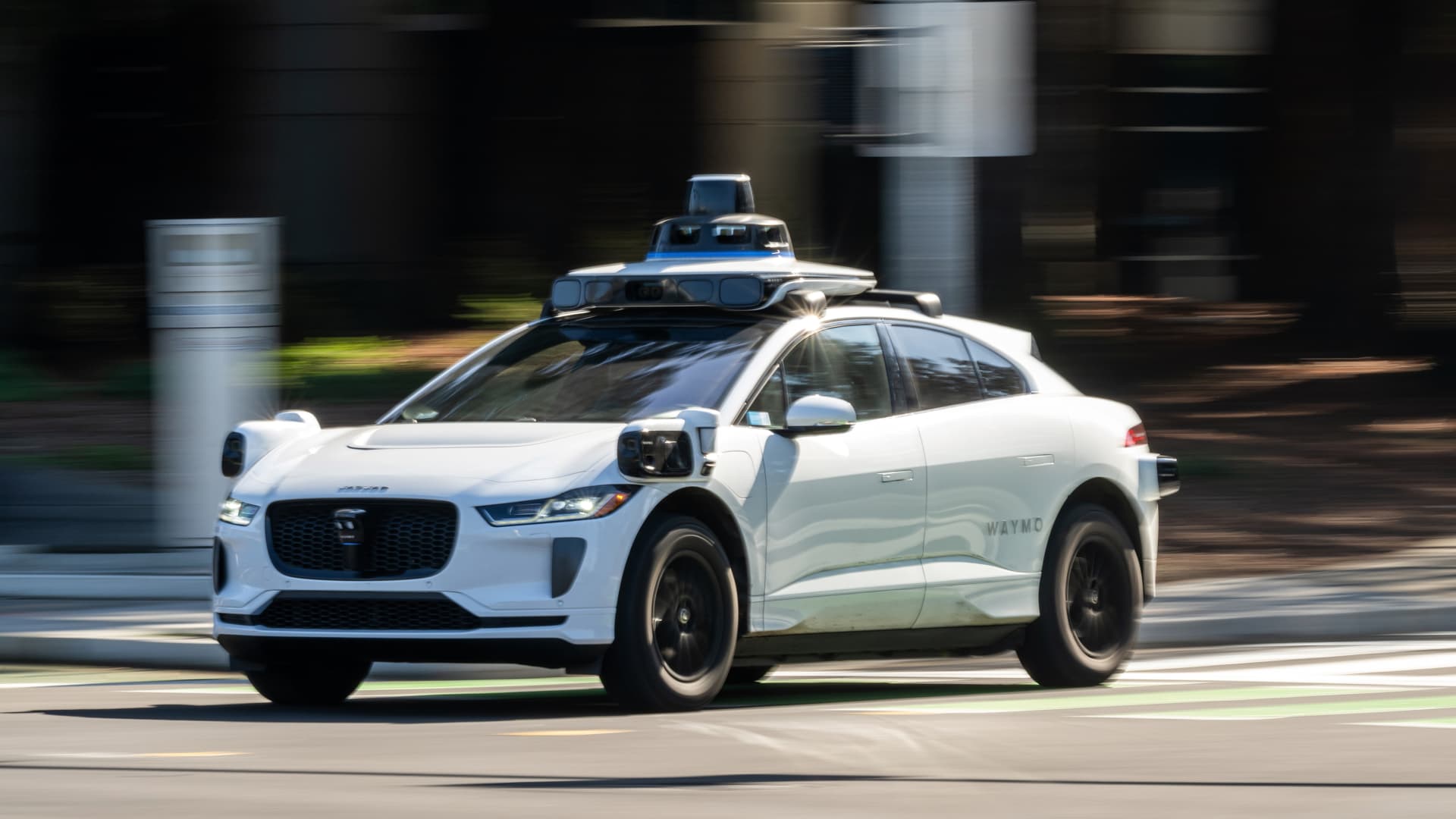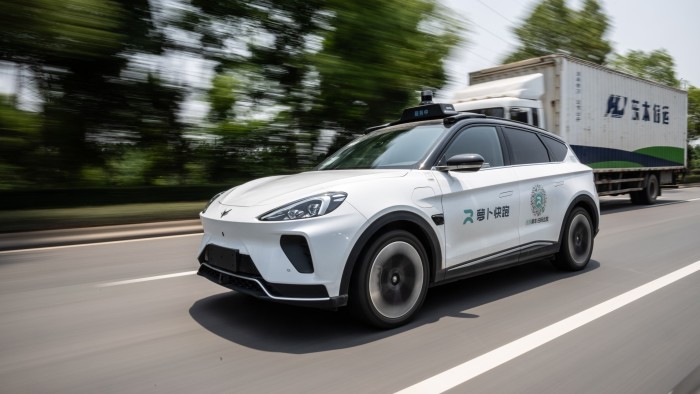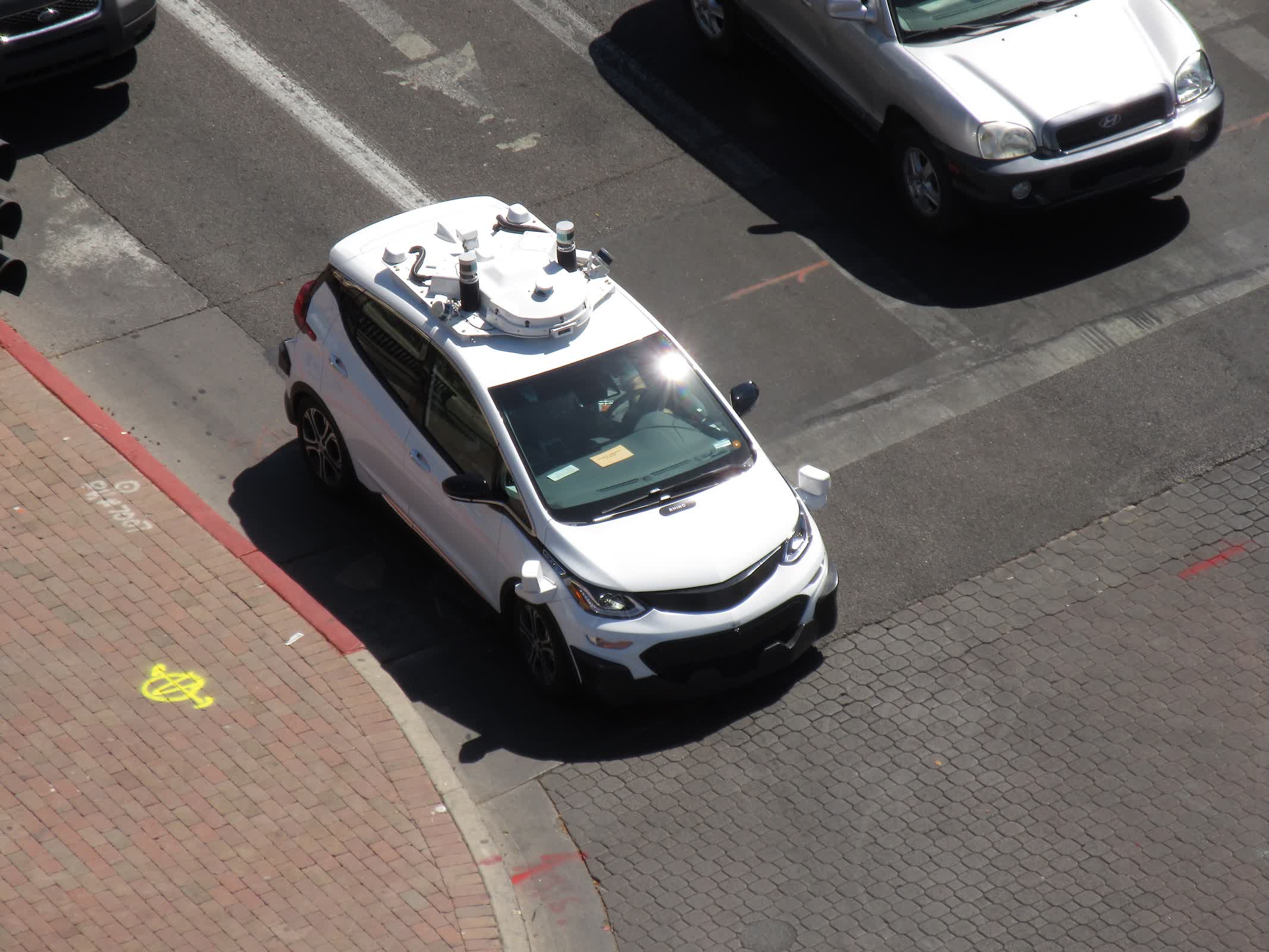
Advanced technology isn’t just automating tasks in the white collar world—AI agents and robots are flipping burgers, stocking warehouses, and even doing household chores. Driverless taxis have also entered the mainstream, despite job loss fears from gig workers. But the leader of autonomous vehicle (AV) business Waymo insists the tech isn’t taking human work.
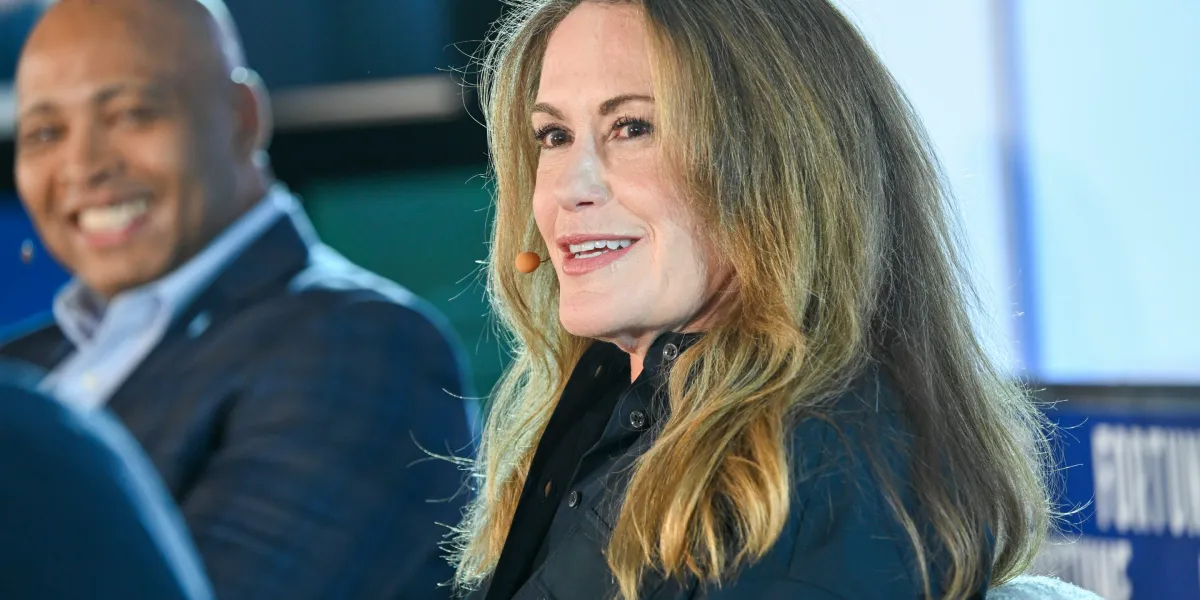
“Now that we’ve been in a few markets for a few years, it’s great to be able to see that we haven’t eliminated jobs in those markets,” Waymo’s co-CEO, Tekedra Mawakana, recently told The New York Times.
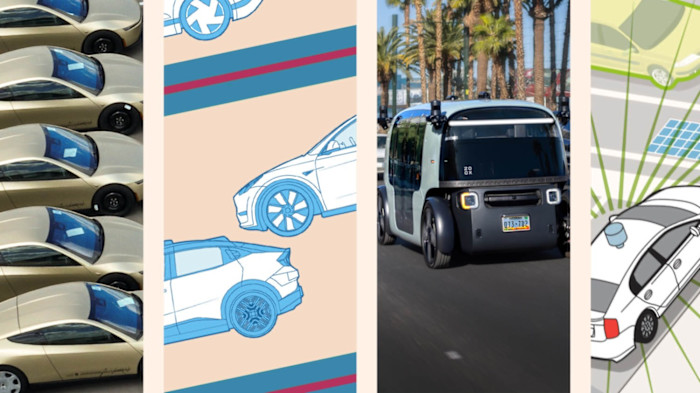
The $126 billion behemoth of industry, which started out as Google’s self-driving car project, has understandably raised eyebrows from human drivers. It’s the largest AV company in the U.S., serving at least 10 cities with around 3,000 robotaxis and counting. And as more companies including Tesla and Amazon-owned Zoox enter the arena, ride-hailing workers are put on edge.
Even the CEO of Uber himself believes that most of his company’s rides could have a robot behind the wheel in the next couple of decades.
Humans will be needed to rotate tires and operate fleets in the era of self-driving cars