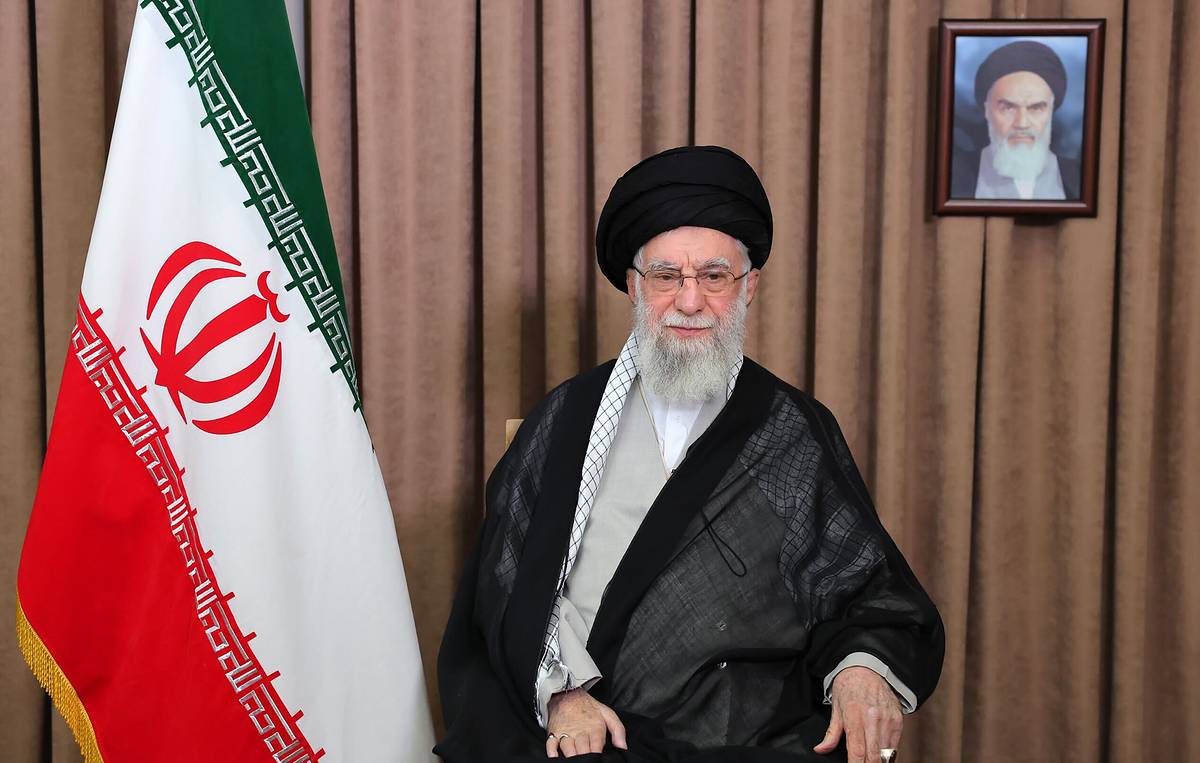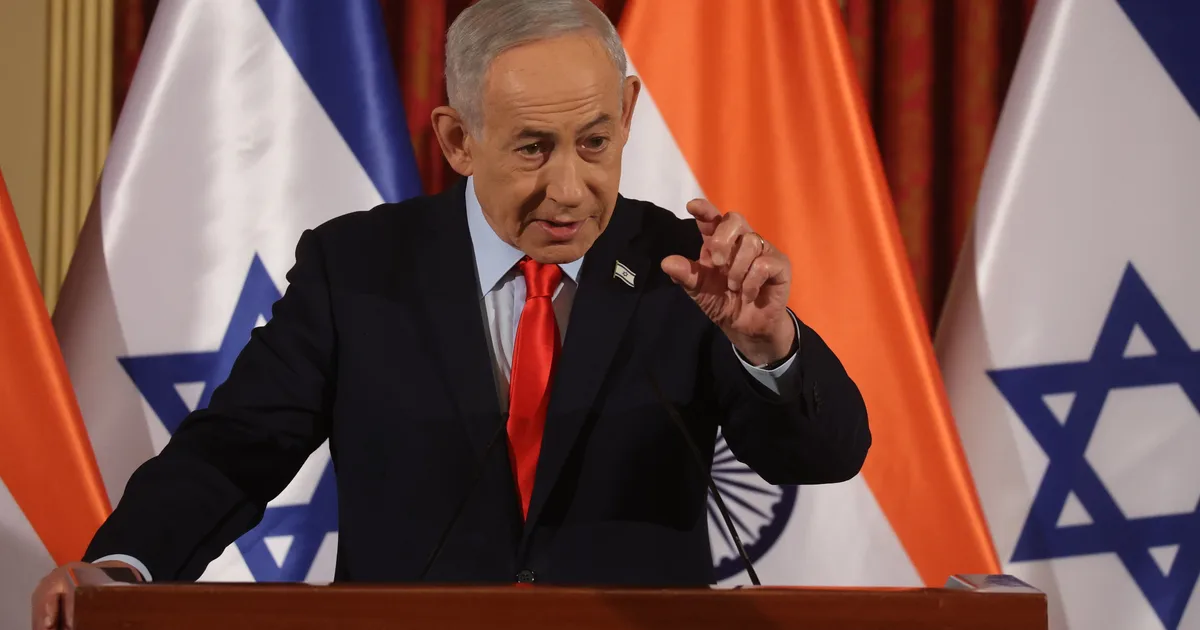
The first reports appeared on foreign screens, beyond the reach of most Iranians. On 28 February Prime Minister Benjamin Netanyahu said there were "signs that the tyrant is no more," suggesting Supreme Leader Ayatollah Ali Khamenei had been killed in a joint US-Israeli strike. Iranians watching state television, however, encountered silence.
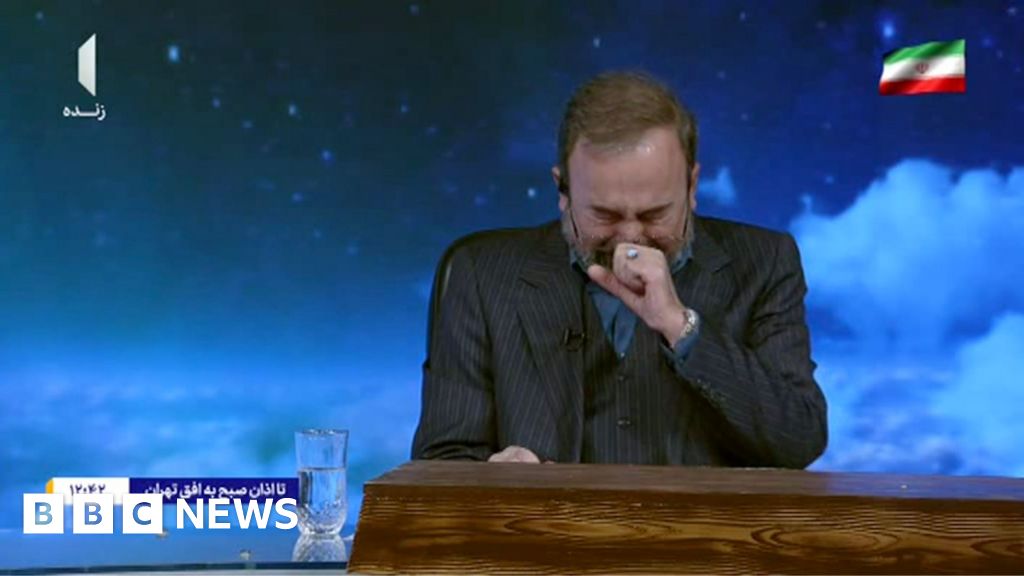
Government officials would neither confirm nor deny Khamenei's death. On one of the state broadcaster's channels, IRTV3, one news presenter urged viewers to "trust" him and the "latest information" the government had. He dismissed news of Khamenei's death as "baseless rumours", which would "soon be revealed."
It took until the following morning before Iranian state media reported the death of Khamenei, hours after US President Trump publicly announced it on social media.
Since the beginning of the war that has reportedly killed more than 1,200 people in Iran and spread to Lebanon and Gulf Arab states, Iranian state media has blended fact with fiction, presenting an official version of events to its domestic audience.
Although millions of Iranians follow foreign-based Persian-language satellite TV channels, accessing independent information can be difficult. Internet blackouts, censorship, and restricted channels leave Iranians largely cut off from the outside world during unrest and conflict.