https://arab.news/vxmsd
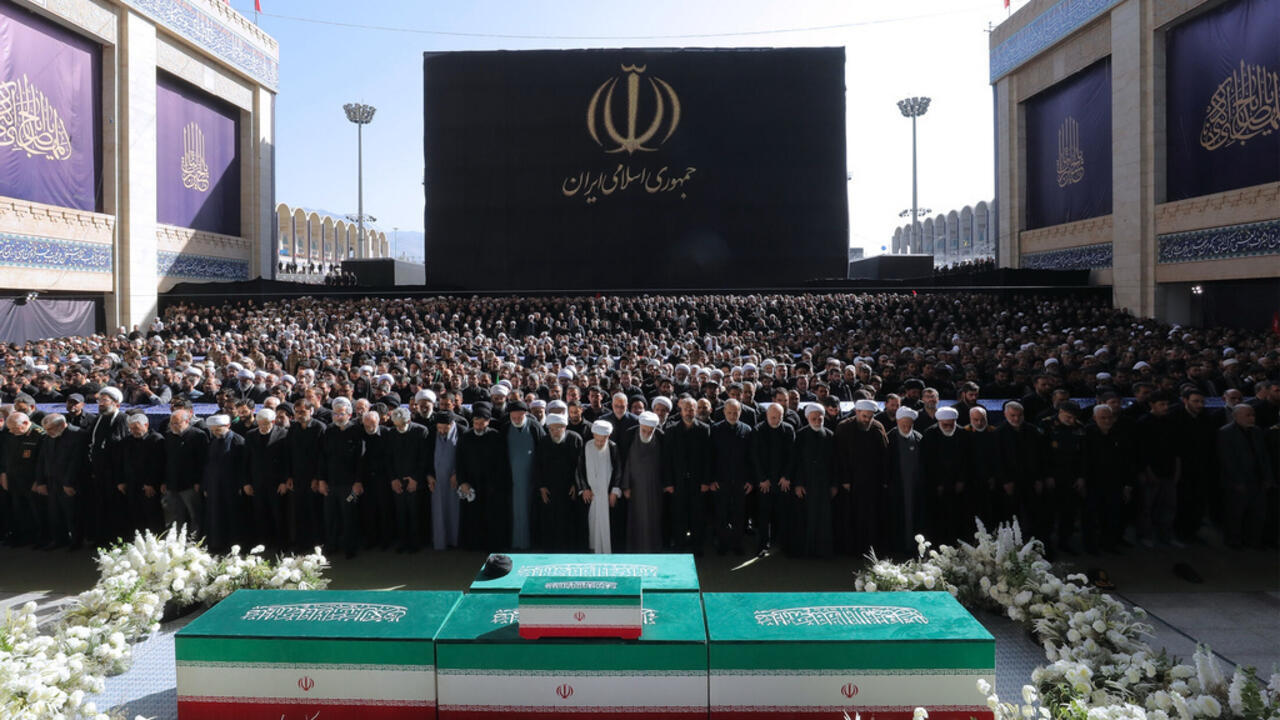
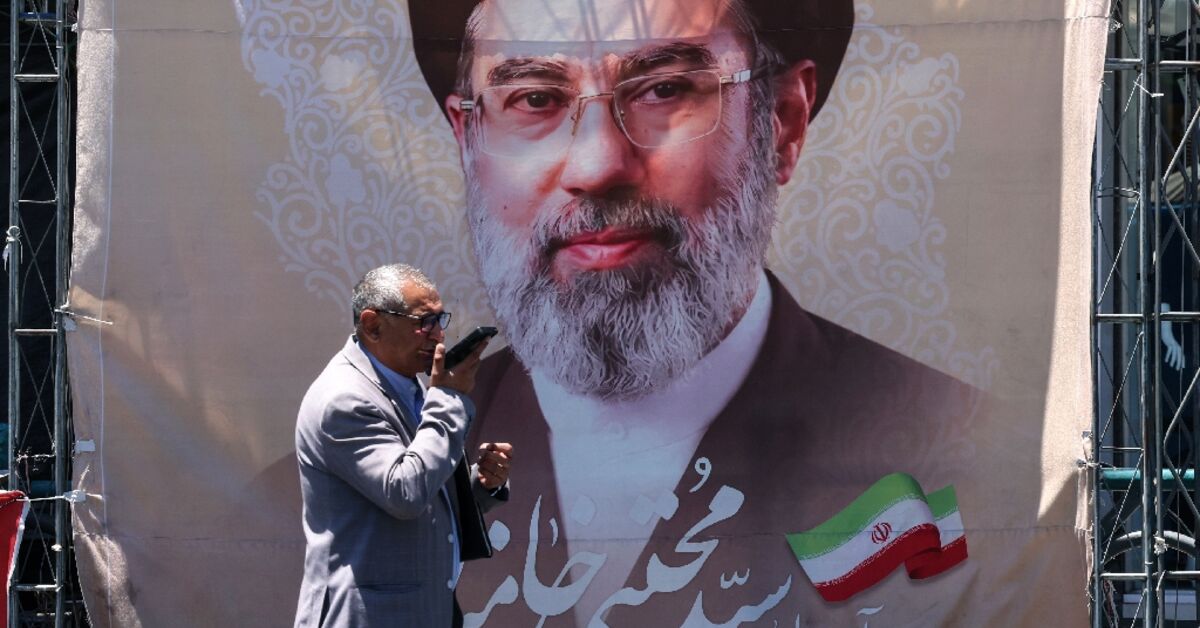
Mojtaba Khamenei would not have become the supreme leader of Iran had his father, Ali Khamenei, died naturally. The prevailing custom in Shiite “scientific hawza” (seminaries) — whether in Najaf, Karbala, Qom or Mashhad — holds that religious authority is not passed from father to son, as such conduct is regarded as a pursuit of leadership that contradicts the principle of piety.
Throughout Shiite history, when a religious leader died, his sons did not immediately assume authority after him, even when they possessed the necessary qualifications. In the few instances when a form of familial succession occurred, such as within the Kashif Al-Ghita and Al-Shirazi families, it was met with significant disapproval and rejection by senior professors of scientific hawza.
When the religious authority Mohammed Saeed Al-Hakim died in 2021 in the Iraqi city of Najaf, his family broke his seal, the ring he used to authenticate his religious edicts, immediately after his funeral. The seal was broken publicly to ensure that it could not be used illegally or unlawfully by any party.
Grand Ayatollah Al-Hakim was survived by several sons who possessed the qualifications of a “faqih” (Islamic jurist) capable of issuing fatwas, the most prominent among them being Riyadh Al-Hakim, a professor in the scientific hawza in the Iranian city of Qom. However, his sons did not nominate themselves for the position of “marja’iyya” (authority), although they met the criteria required of a mufti.