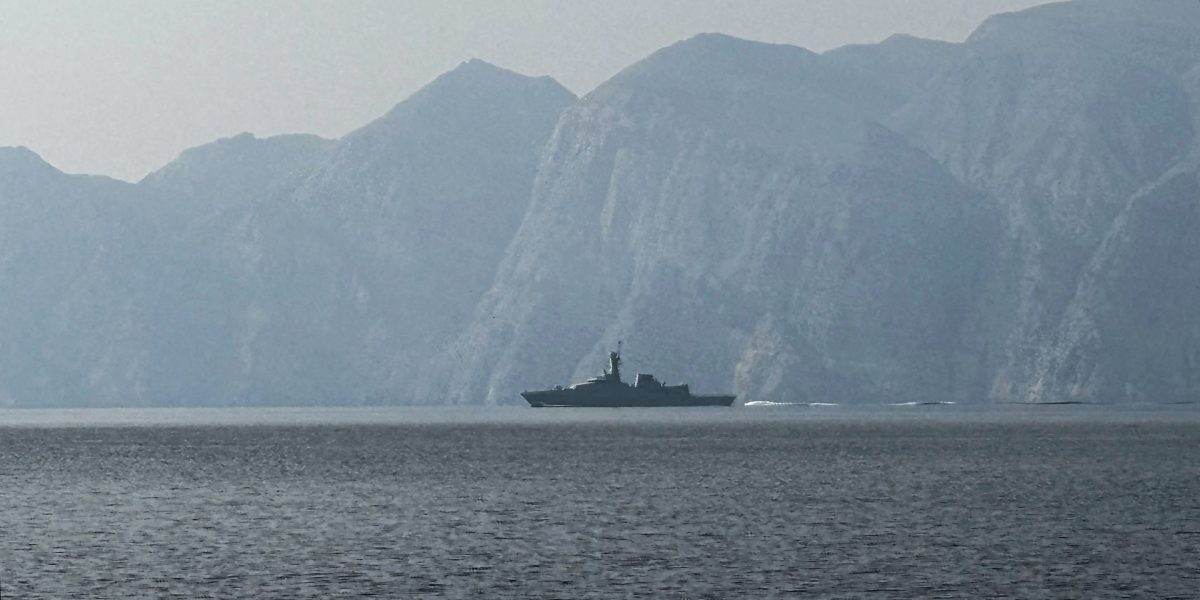
To be sure, oil prices have soared more than 40% since the war began two weeks ago and are up nearly 70% year to date. But they remain below the peak seen after Russia invaded Ukraine in 2022, despite one-fifth of the world’s oil supplies being bottled up by Iran’s de facto blockade of the Strait of Hormuz.
“The end is not in sight,” Dan Alamariu, chief geopolitical strategist at Alpine Macro, said in a note Thursday. “The Strait of Hormuz is effectively closed, and markets are starting to price in a prolonged, uncertain endgame.”
Despite a punishing bombardment that’s decimated Iran’s military and wiped out top leadership, the regime is still able to threaten ships in the Persian Gulf and keep oil prices high. At the same time, Tehran has no appetite yet to reach a deal that ends the conflict, as it seeks to deter any future attacks by inflicting as much economic pain as possible right now, Alamariu pointed out.
But he sees the war ending within two months because Iran also faces threats to its economy and internal political control as airstrikes hit levers of repression like the Islamic Revolutionary Guard Corps and Basij militia. In fact, there are rumors of power struggles within the regime, especially after Mojtaba Khamenei’s selection as the new supreme leader, Alamariu added.