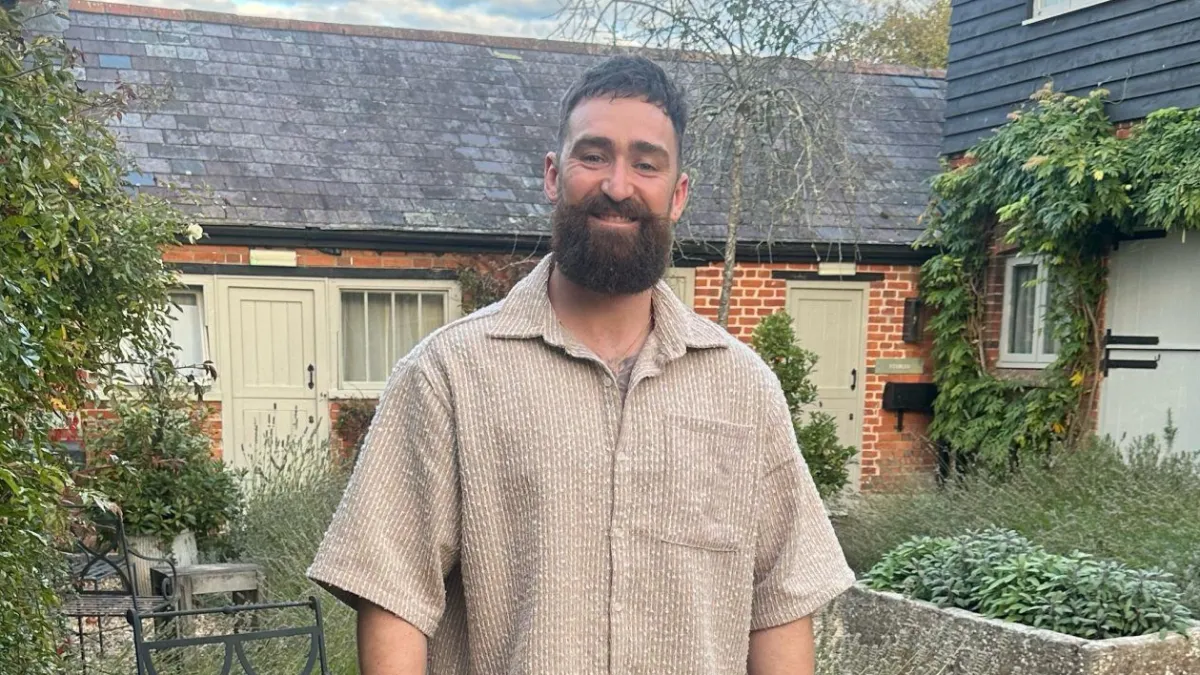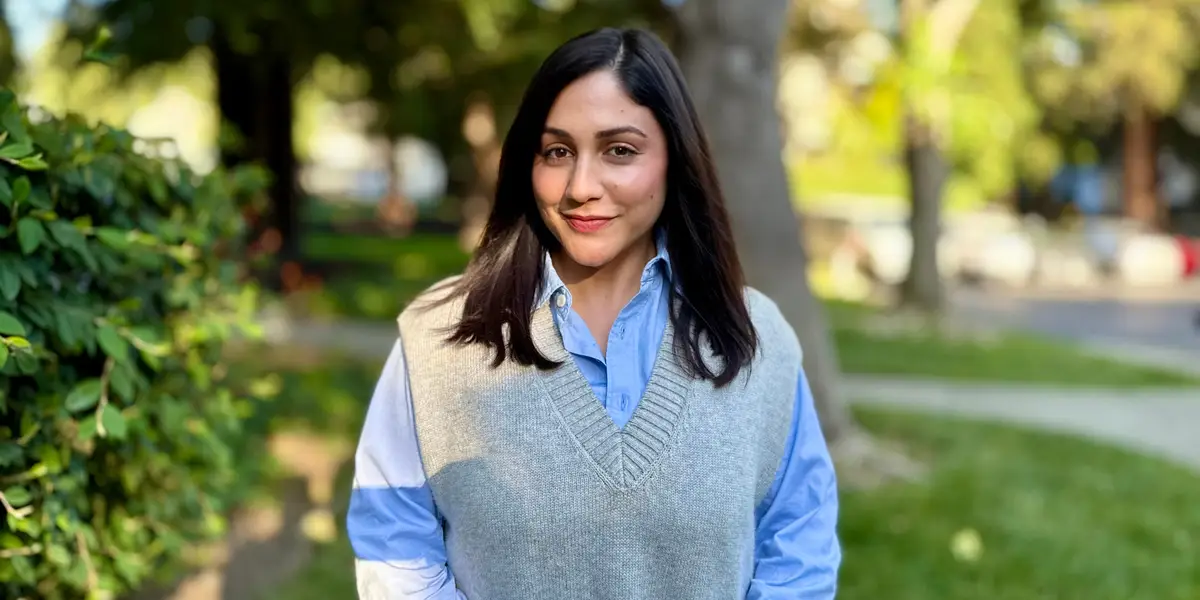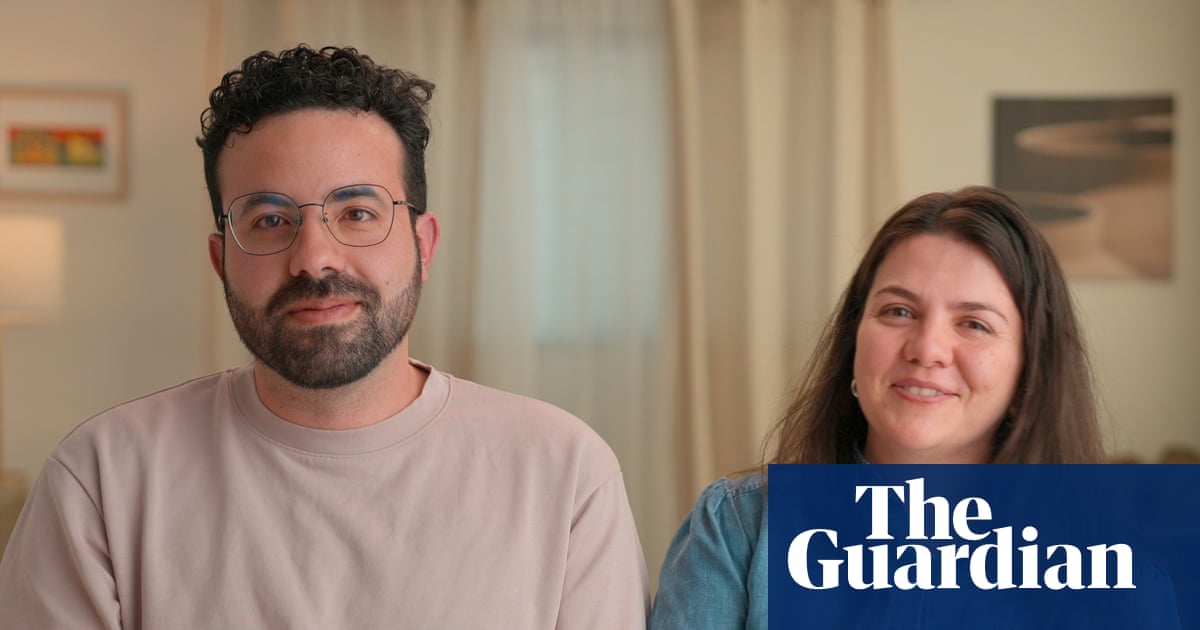
New Netflix documentary The Plastic Detox follows an epidemiologist’s radical new plan to boost fertility in three months. We meet the couples whose lives were turned upside down – and in some cases, hugely for the better
T
wo years into an emotionally draining mission to get pregnant, with no sign of a positive result, Idaho couple Darby and Jesse Nubbe were feeling desperate. “We were $16,000 (£12,000) out of pocket, with weekly blood work, invasive ultrasounds, sperm quality testing, genetic testing, eating well, exercising, daily cold plunging, expensive vitamins, excessive pregnancy testing and more tears than I would like to remember,” Darby tells me. “We were at a loss, with an official diagnosis of ‘unexplained infertility’.”
It hadn’t crossed the couple’s minds that the problem might be the everyday products inside their home, from water bottles to clothes. Then Dr Shanna Swan entered their lives.
Darby and Jesse were one of six couples facing unexplained fertility challenges who signed up for Swan’s three-month study. The couples, some of whom had been trying to conceive for 10 years, were helped to dramatically lower their daily exposure to plastic-related chemicals in the hope of getting pregnant. “I feel it’s a basic human right of every person to have a child if they choose to,” says Swan, a reproductive epidemiologist. “Chemicals in our homes or the environment should not interfere with that.”