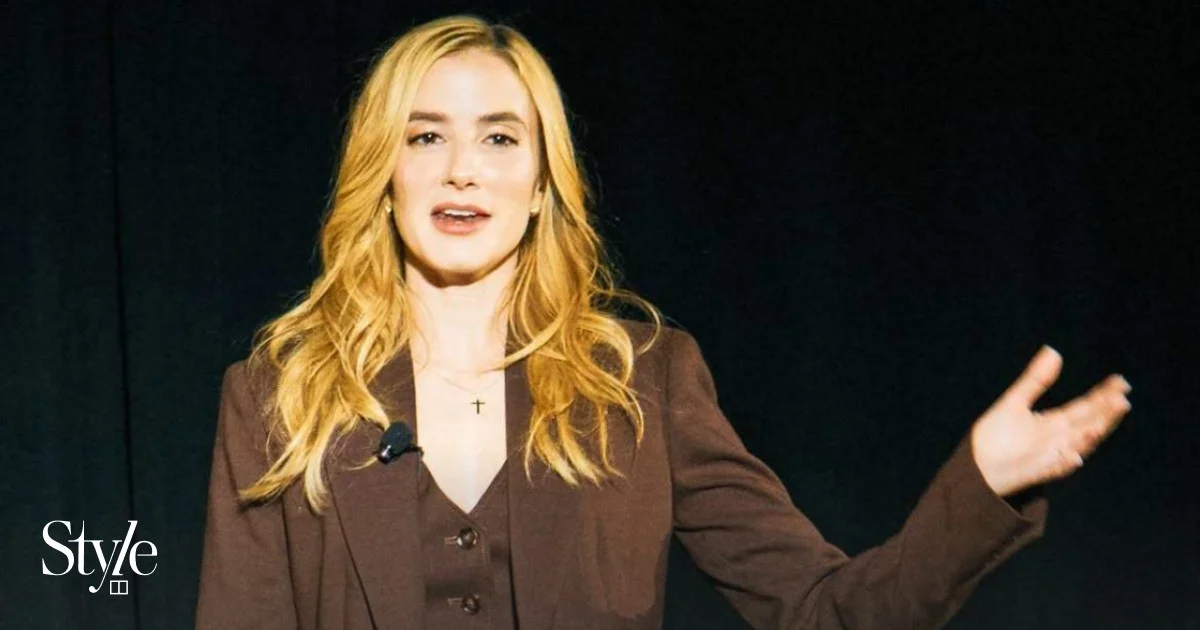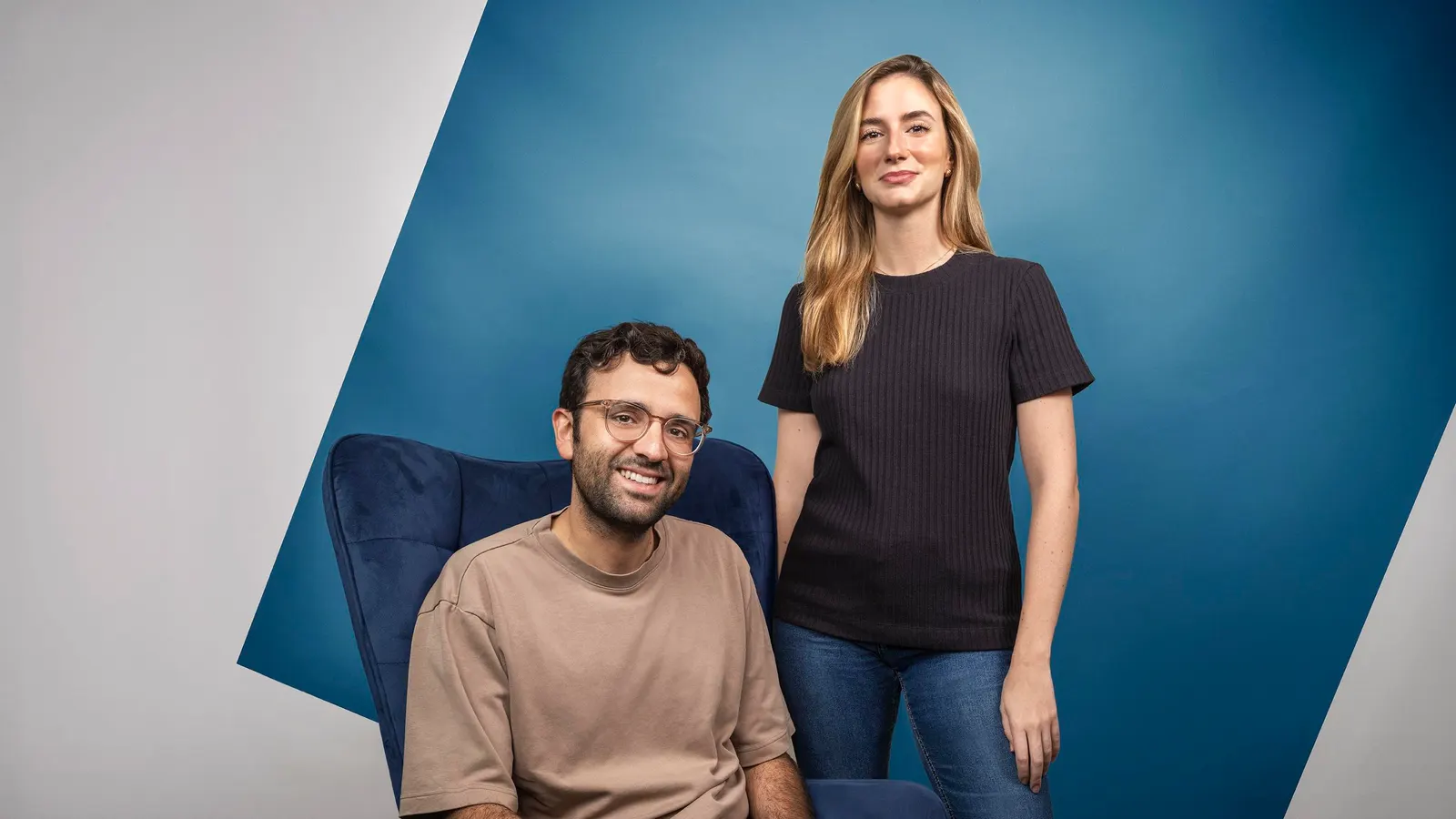
Luana Lopes Lara, co-founder of Kalshi, spends all day thinking about probabilities. Coming out of an elite math degree background and positions at some of the most successful hedge funds in the world, a mindset focused on thinking clearly about potential outcomes comes naturally to her. But the youngest self-made female billionaire ever still had to overcome steep odds in betting on herself and that she could build the largest prediction markets trading business in the U.S. She says it would not have happened without an approach to risk-taking that many people, especially women, don’t follow.
Kalshi, founded in 2018 by Lopes Lara and Tarek Mansour as MIT classmates, allows users to trade contracts tied to real world outcomes in areas as diverse as weather, sports, pop culture, economics, and politics. Users buy “yes” or “no” contracts tied to whether an event will occur, and prices reflect that probability.
But the seemingly simple idea took years to become a new type of regulated financial market, with the co-founders facing many government battles and skepticism from their own board. When Lopes Lara and Mansour first started on the project, many people told them it would not work. ”[It] was many, many years of it looking like it was going nowhere,” Lopes Lara told CNBC’s Julia Boorstin during the latest episode of the “CNBC Changemakers and Power Players” podcast.