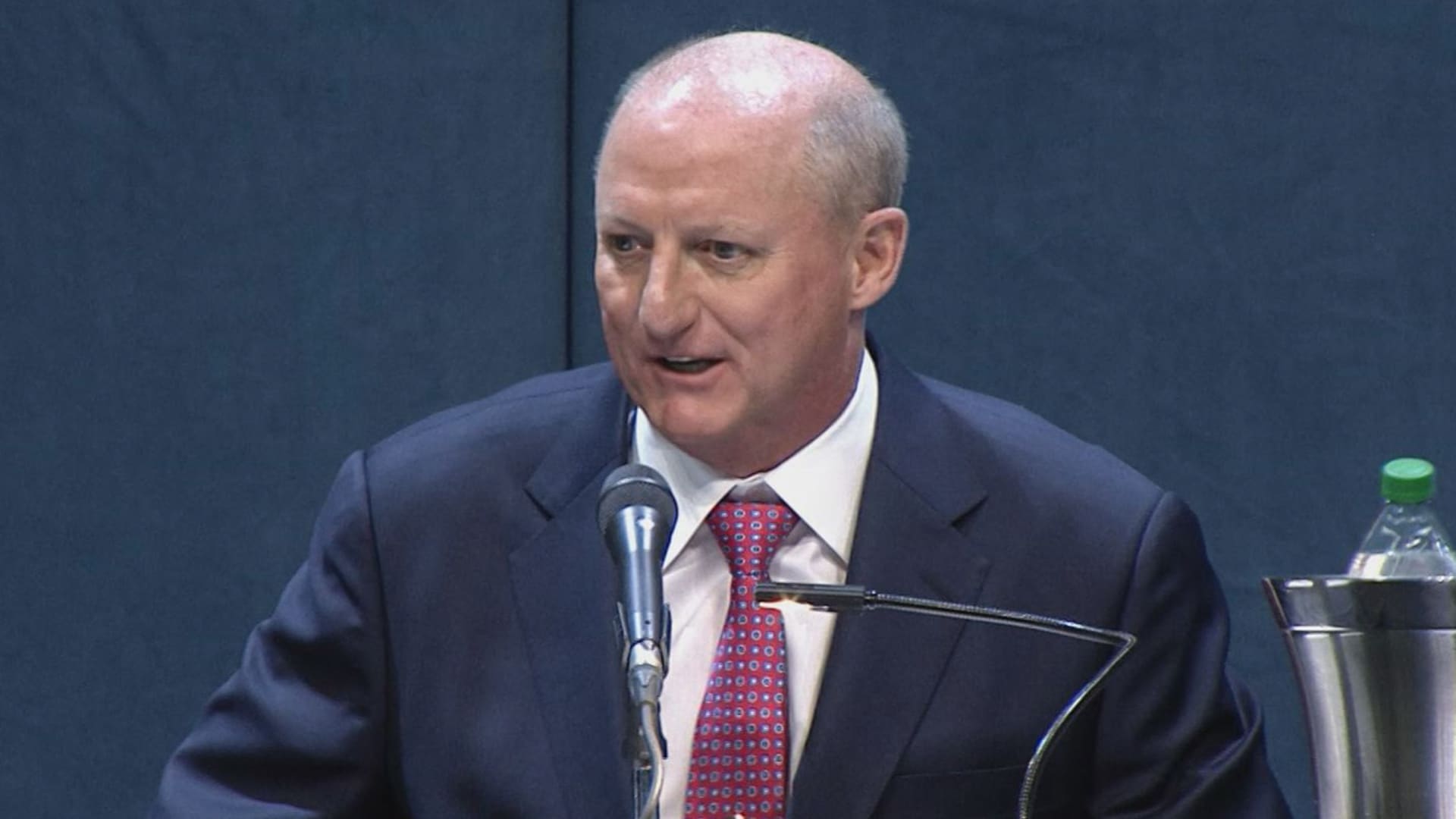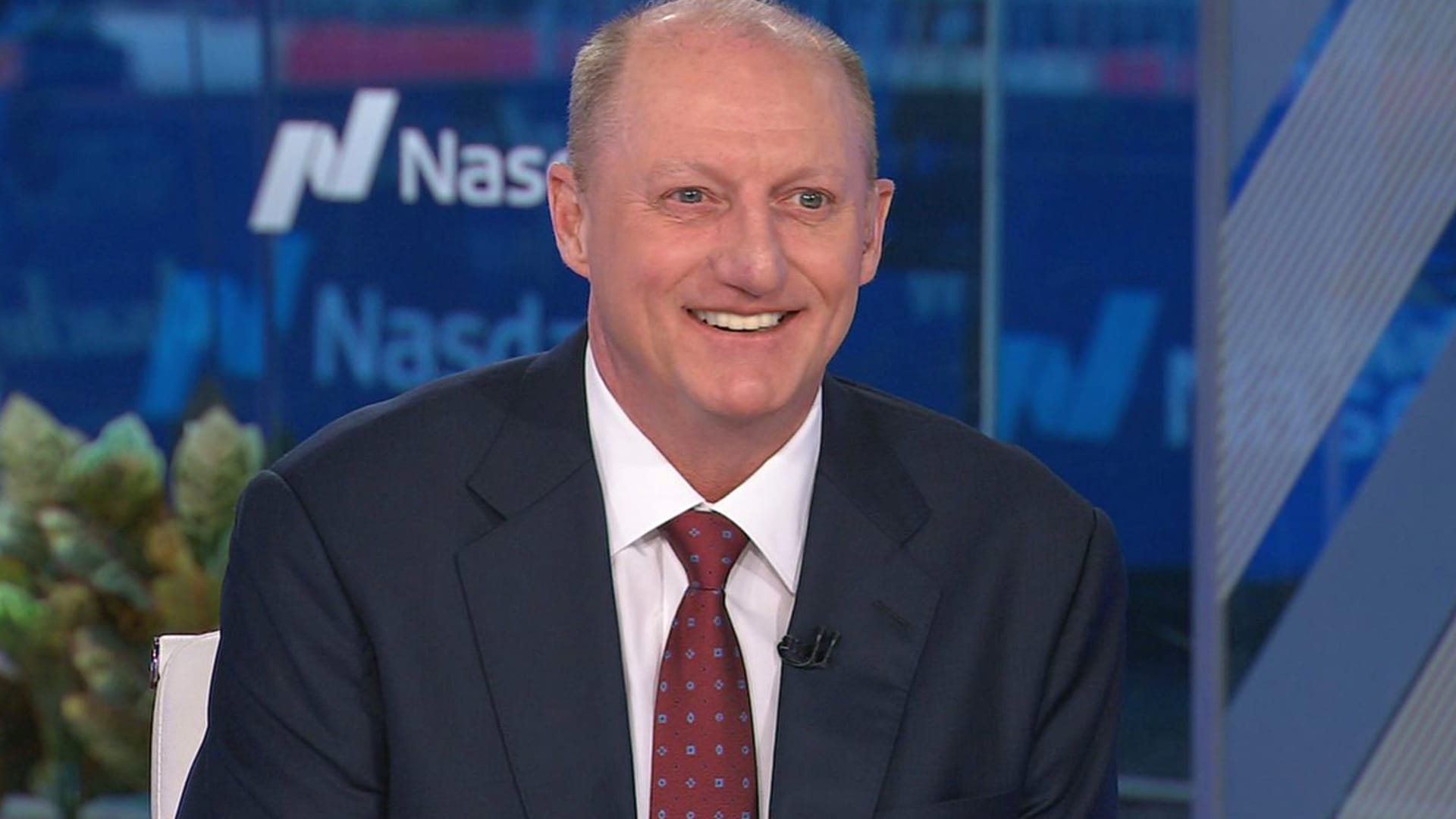
Greg Abel, the new CEO of Berkshire Hathaway, announced on March 5 on CNBC’s “Squawk Box” that the company would start repurchasing shares of its own stock.
For Berkshire, this is a relative rarity — the company hasn’t bought back shares since the second quarter of 2024. But for companies like Berkshire, a financially mature conglomerate worth more than $1 trillion and with plenty of excess cash, the move has become increasingly common.
In 2025, companies in the S&P 500 spent about $1 trillion buying their own shares, according to estimates from investment research firm Morningstar, up from a record $942 billion in 2024. Last year was also the fifth straight year in which companies spent more on buybacks than on cash dividends, Morningstar reports.
Buyback programs, like dividends, are touted by companies as a way to return cash to shareholders, and, under the right circumstances, can be viewed by investors as a positive sign for the stock, says Rob Leiphart, a certified financial planner and vice president of financial planning at RV Capital Management.
Investors should do some research, however, before buying on buyback news, he adds, since some companies purchase shares as a way to make short-term numbers look better.