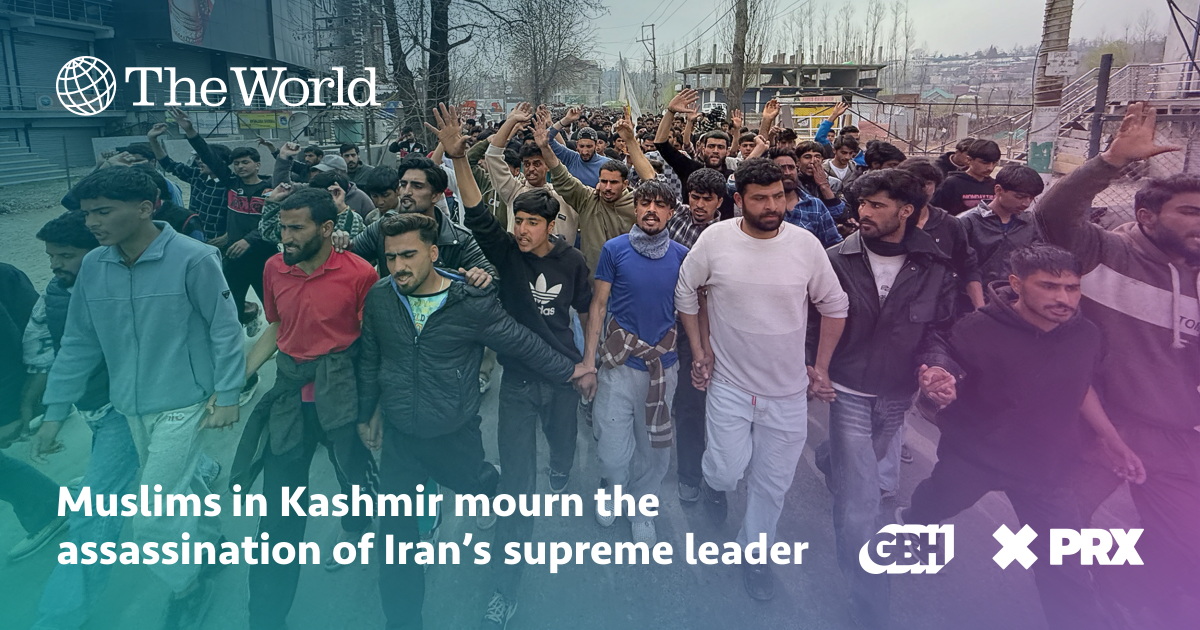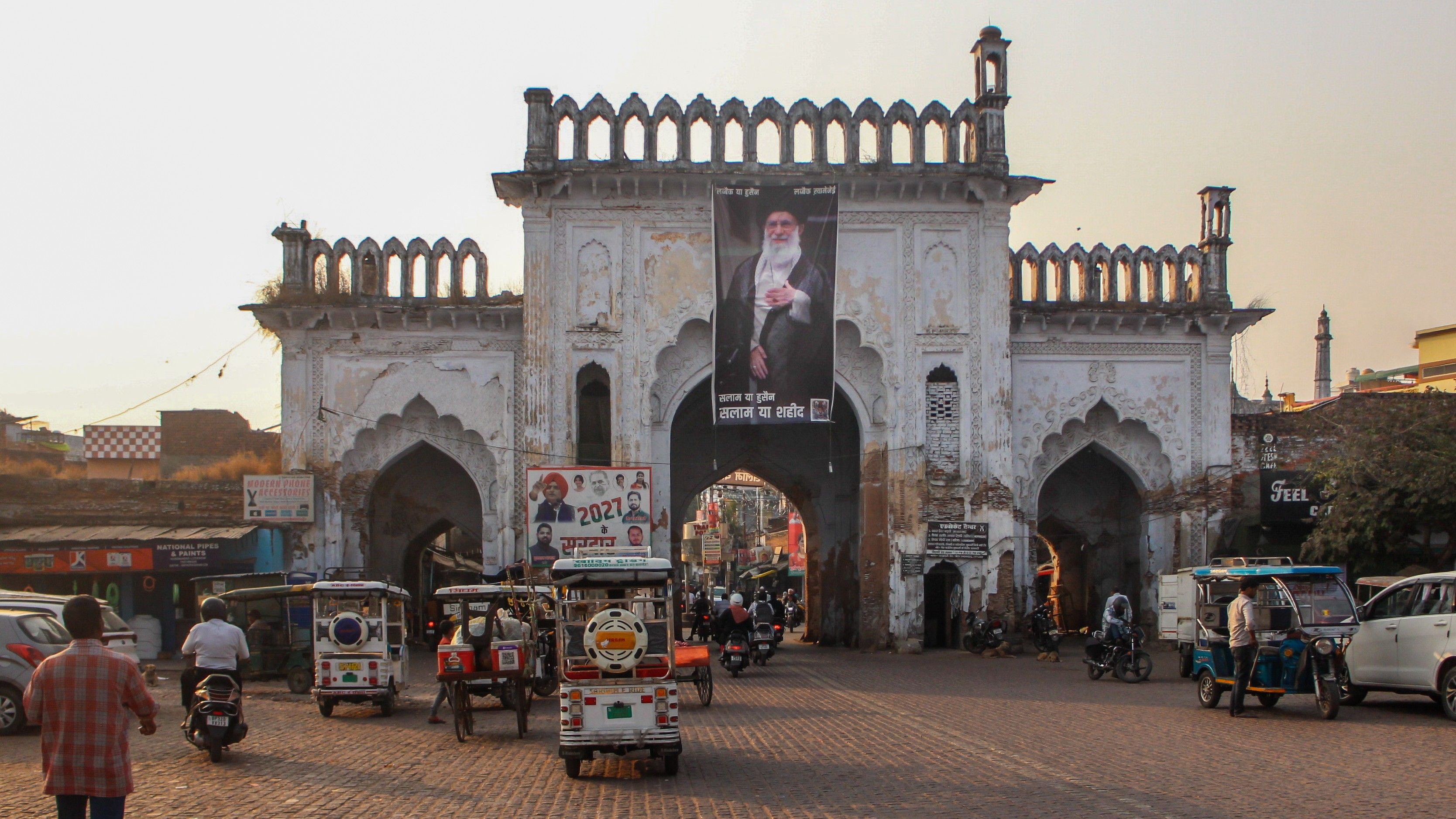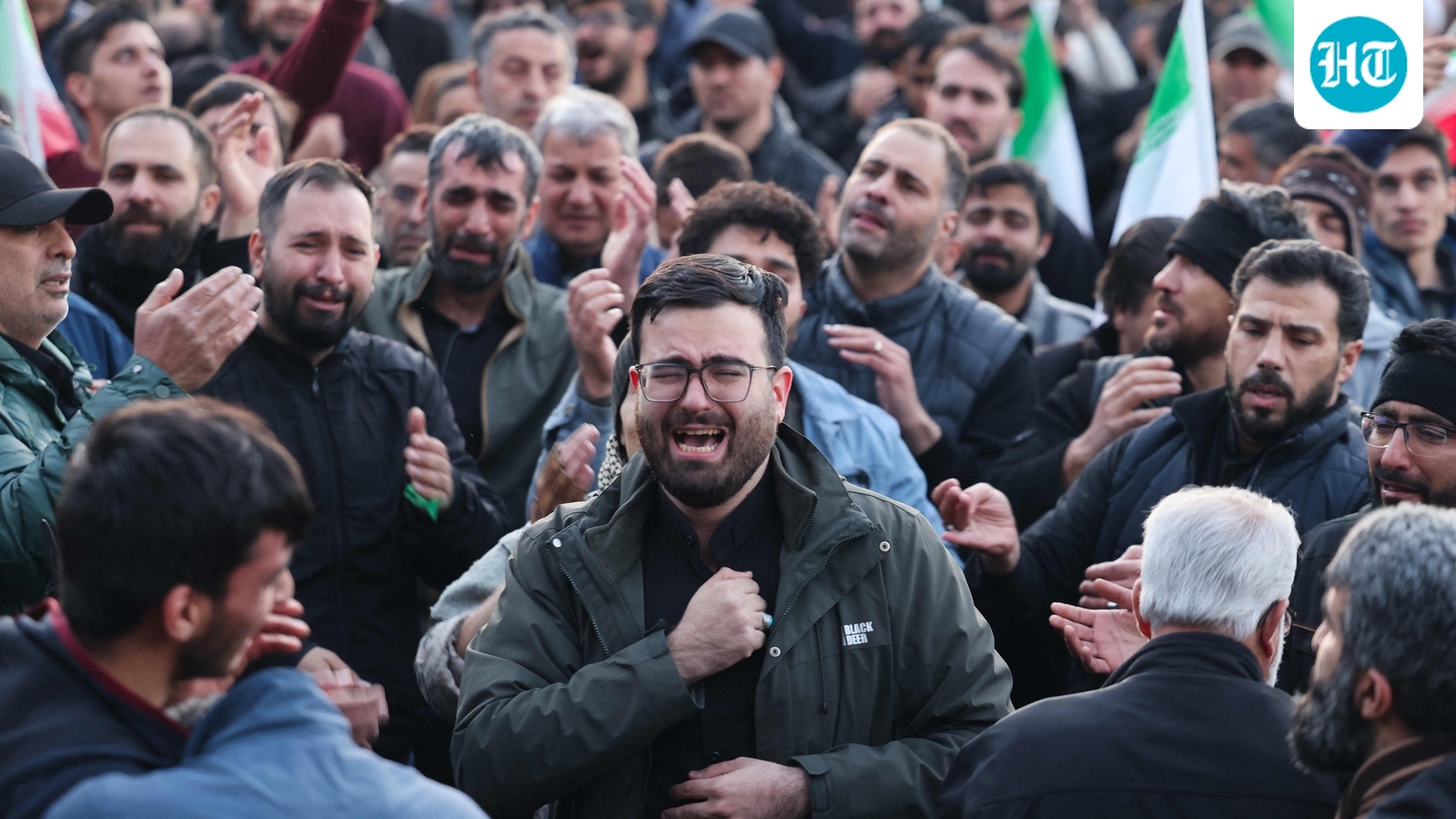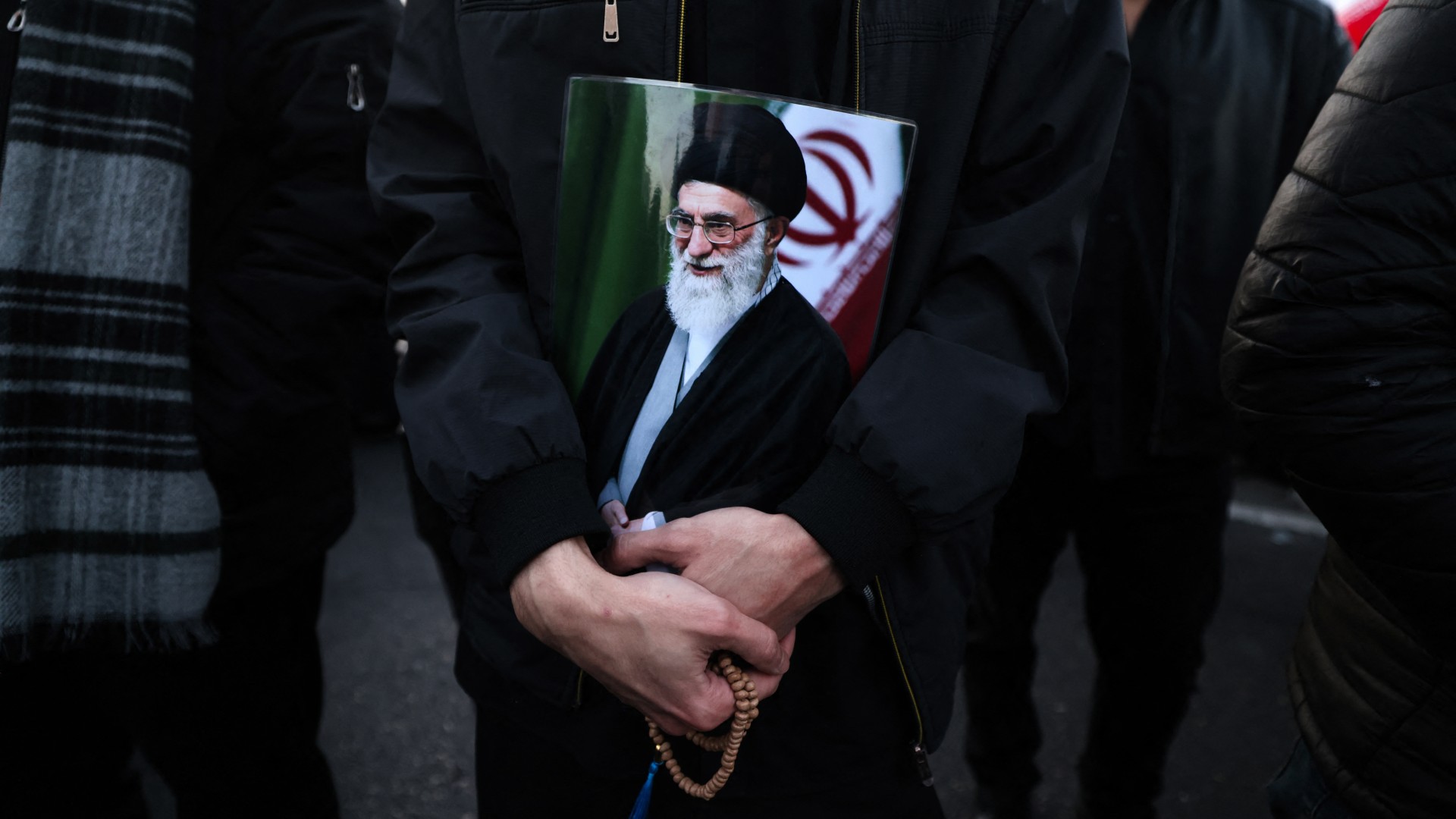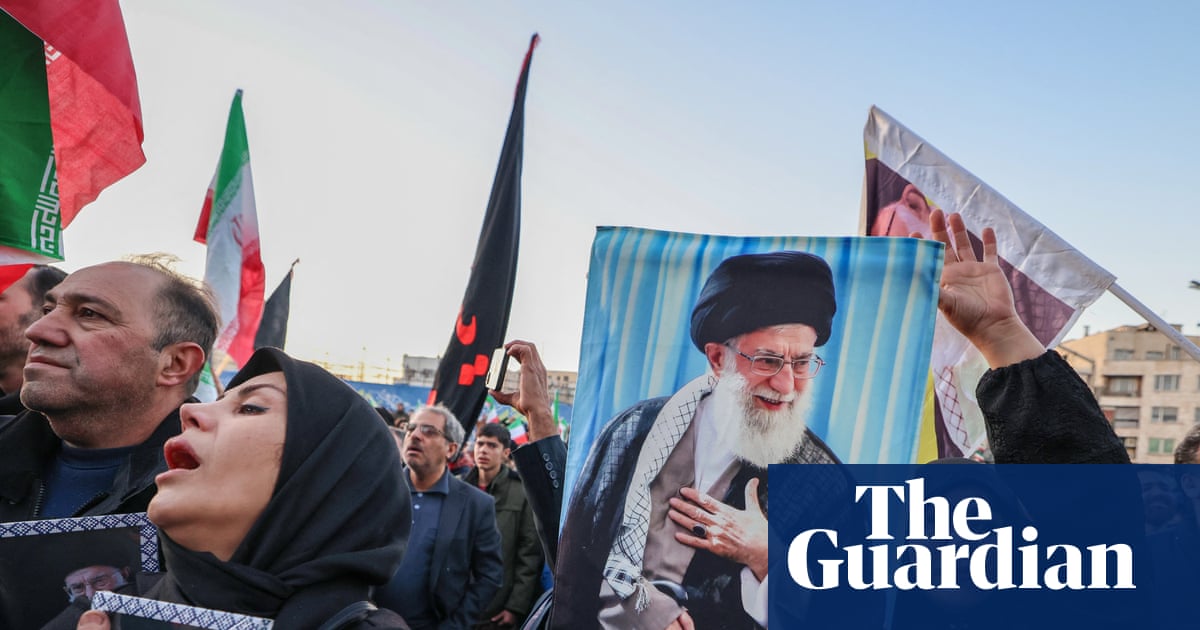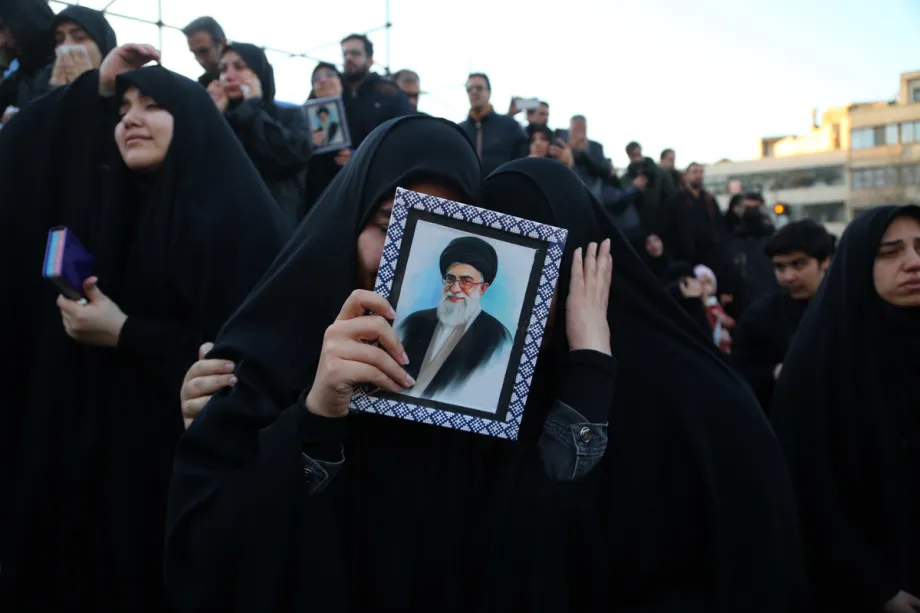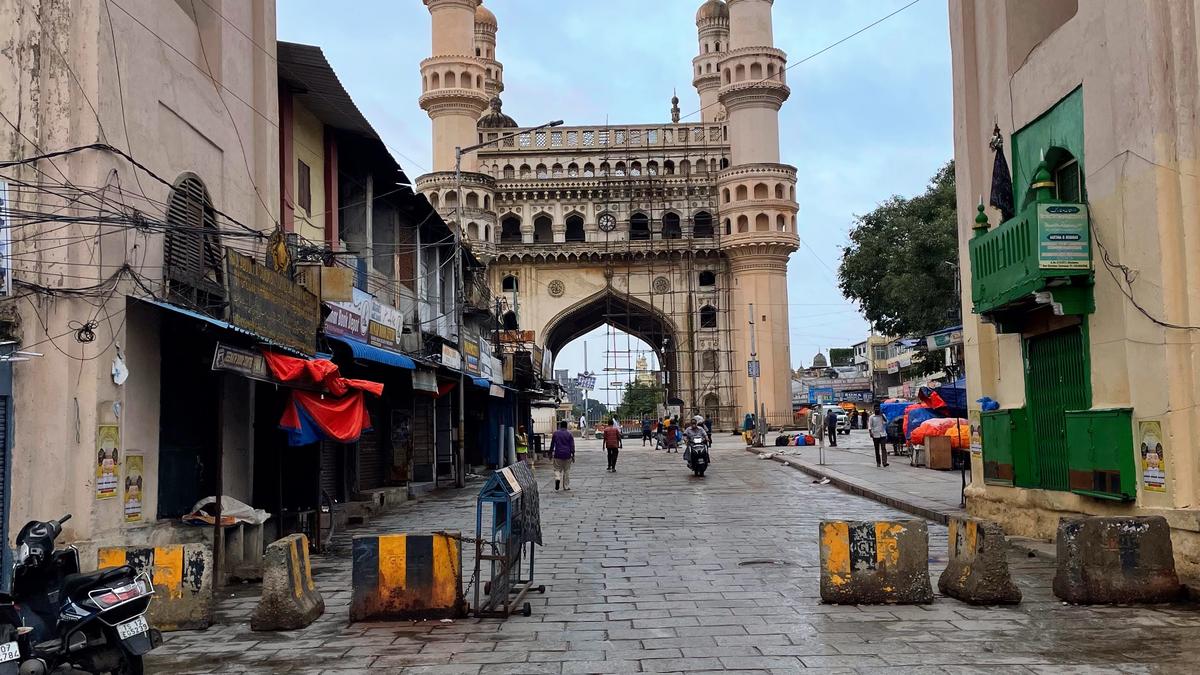
On March 1, as the news of the assassination of Ayatollah Ali Hosseini Khamenei spread in the Darulshifa area of Hyderabad, an impromptu gathering of people assembled within hours, wailing and expressing grief for the departed leader. “He was our rahbar, our spiritual leader, and that’s why so many people are sad,” said one of the mourners.
Beyond the individual grief, the location of the protest meeting, beginning at the dargah of Ibne Khatoon to its final convergence point near Darulshifa harked back to the time when Iran and India had cultural and social ties that appeared inseparable.
“The Indian and Iranian civilisations resemble each other. Hinduism and Iranians have the same Aryan roots. The political turmoil before the 16th century, before the Safavid-era led to the migration of a lot of Iranians who fled to Europe and to India,” says Mubashir Ali Khan.
Ibne Khatoon, Mir Momin, Reza Ali Khan, as well as the Qutb Shahi rulers traced their lineage to Iran. The men and women not only reached India and the Deccan plateau but changed the geo-political equation as the language, culture, social mores and food habits were transformed over a few hundred years. This intermingling of people created a bond that persists to this day.