Hollywood has a pretty unsavory history when it comes to the representation of disabled people. When disabled people exist on-screen, we are reduced to either tragedy, inspiration porn or some exhausting combination of both. “Rain Man” and “Forrest Gump” — two celebrated American films, both Best Picture winners — fit the bill perfectly, featuring disabled characters who exist to illuminate everyone around them and played by nondisabled actors collecting awards for their performances.
So when I sat down to watch ”Take Me Home,” the debut feature from first-time filmmaker Liz Sargent, starring her sister Anna, I was skeptical.
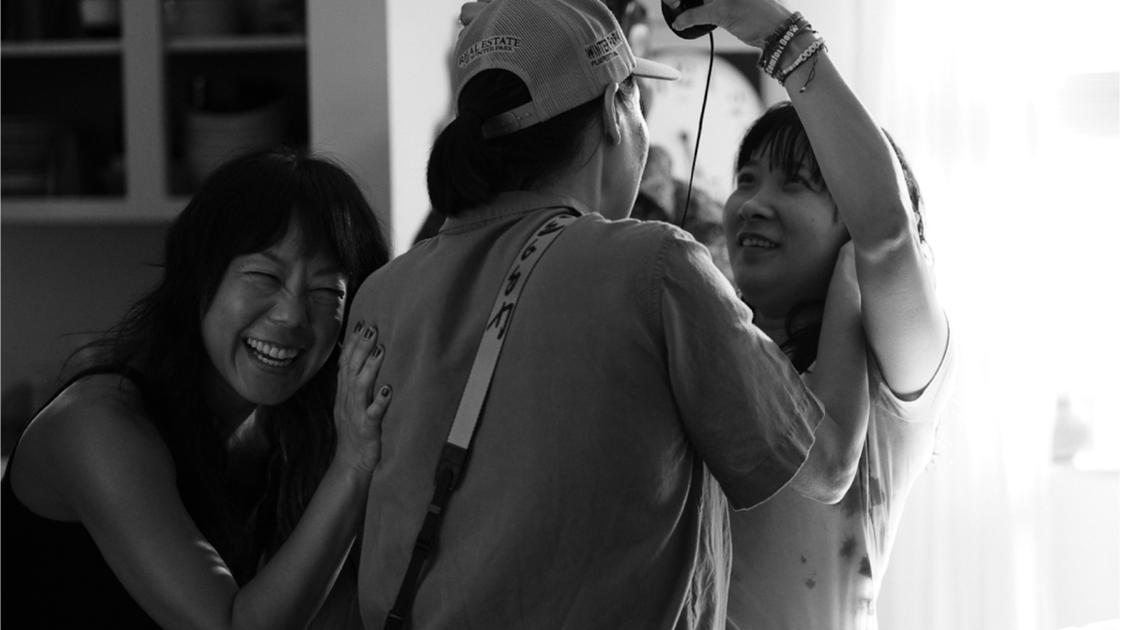
Everything about the film was supposed to be different. It was, according to Sundance, a film grounded in disability justice. The lead actor, Anna Sargent, is a disabled woman playing a version of herself. Much of the cast and crew are disabled. Liz designed the whole production to be accessible from beginning to end.
Still, some part of me simply did not believe it. I have heard this before — that the conditions would be different, that this time the disabled person would actually be centered. What I didn’t yet understand is that the conditions you build around a disabled performer are crucial.