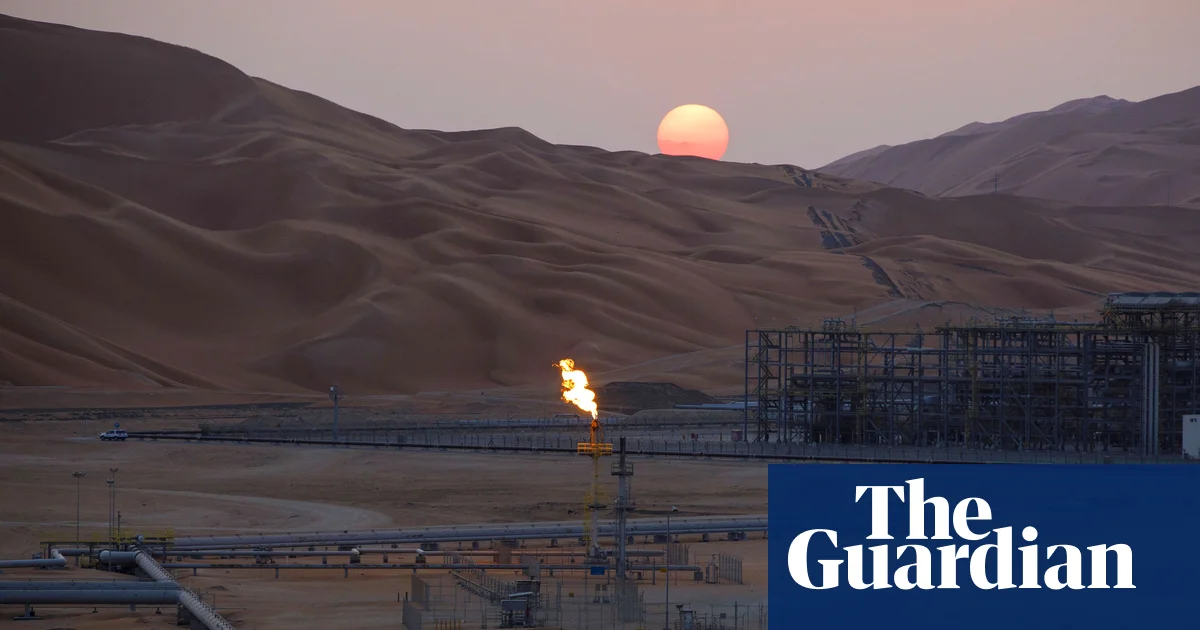
The war on Iran has put fossil-fuel prices centre stage, but don’t believe those who tout ‘maximising the North Sea’ as our salvation
T
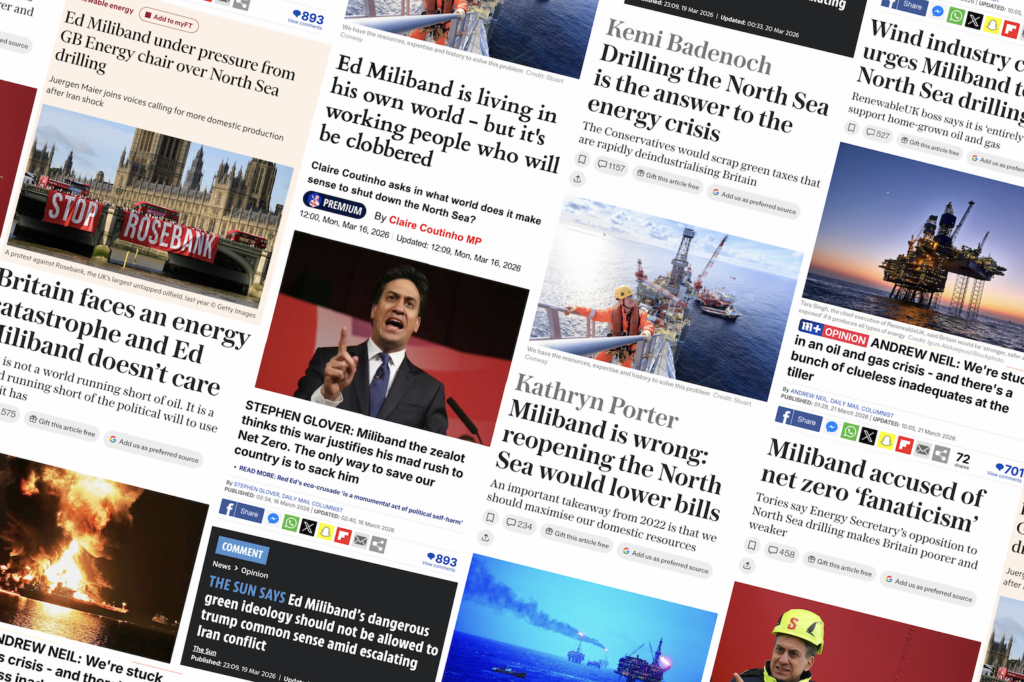
hese are burning, smoking lies. As oil and gas prices soar, thanks to the US and Israel’s attack on Iran, the UK’s opponents of climate policy become even shriller. Rightwing politicians, Tufton Street junktanks and the billionaire press tell us our energy security will be enhanced and our bills will fall if we abandon net zero policies, ditch renewables and reinvest in North Sea gas. These claims are not just a little bit wrong. They are the exact opposite of the truth.
Two things have indeed happened in recent years. The price of electricity has soared, contributing greatly to the cost of living, and the proportion of the electricity we receive from renewables has simultaneously boomed: from 3% in 2000 to 47% today. So, they claim, one has caused the other: more renewables means higher prices.
Not a bit of it. By far the cheapest component of our energy supply is the electricity produced by renewables, principally wind and solar. It’s the same story worldwide. But the price of electricity does not reflect the mix of sources. It is set at almost all times by its most expensive component. And what might that be? Oh yes, fossil gas. Even before the current war, gas prices were astronomical, and had been rising in leaps and bounds. This, overwhelmingly, is the reason for our high energy bills.