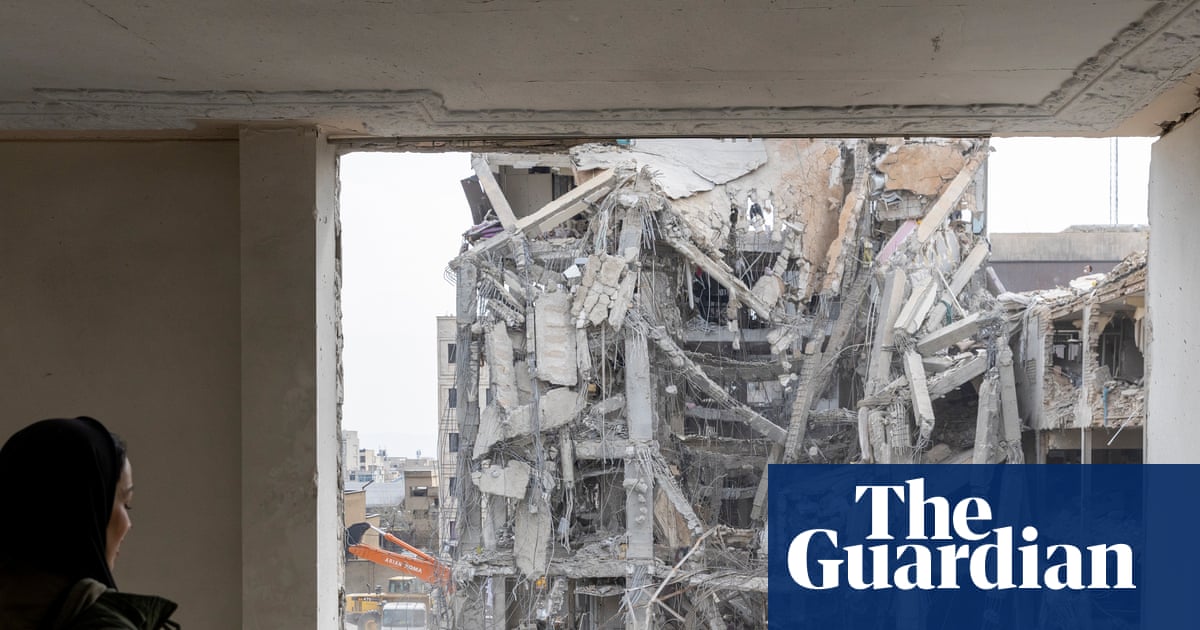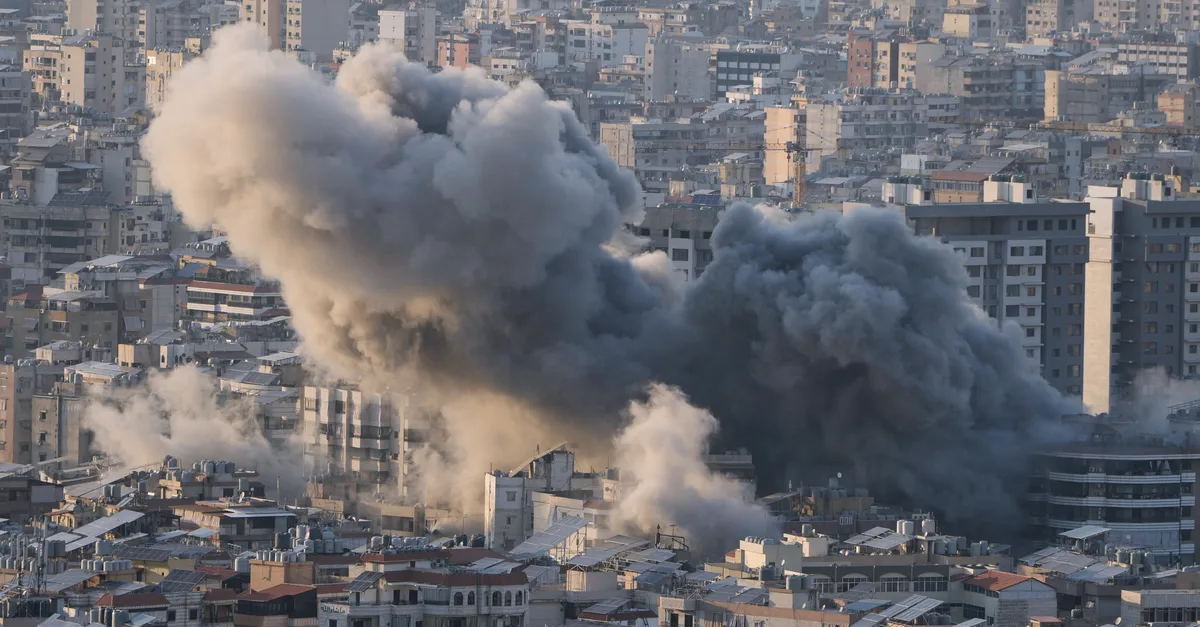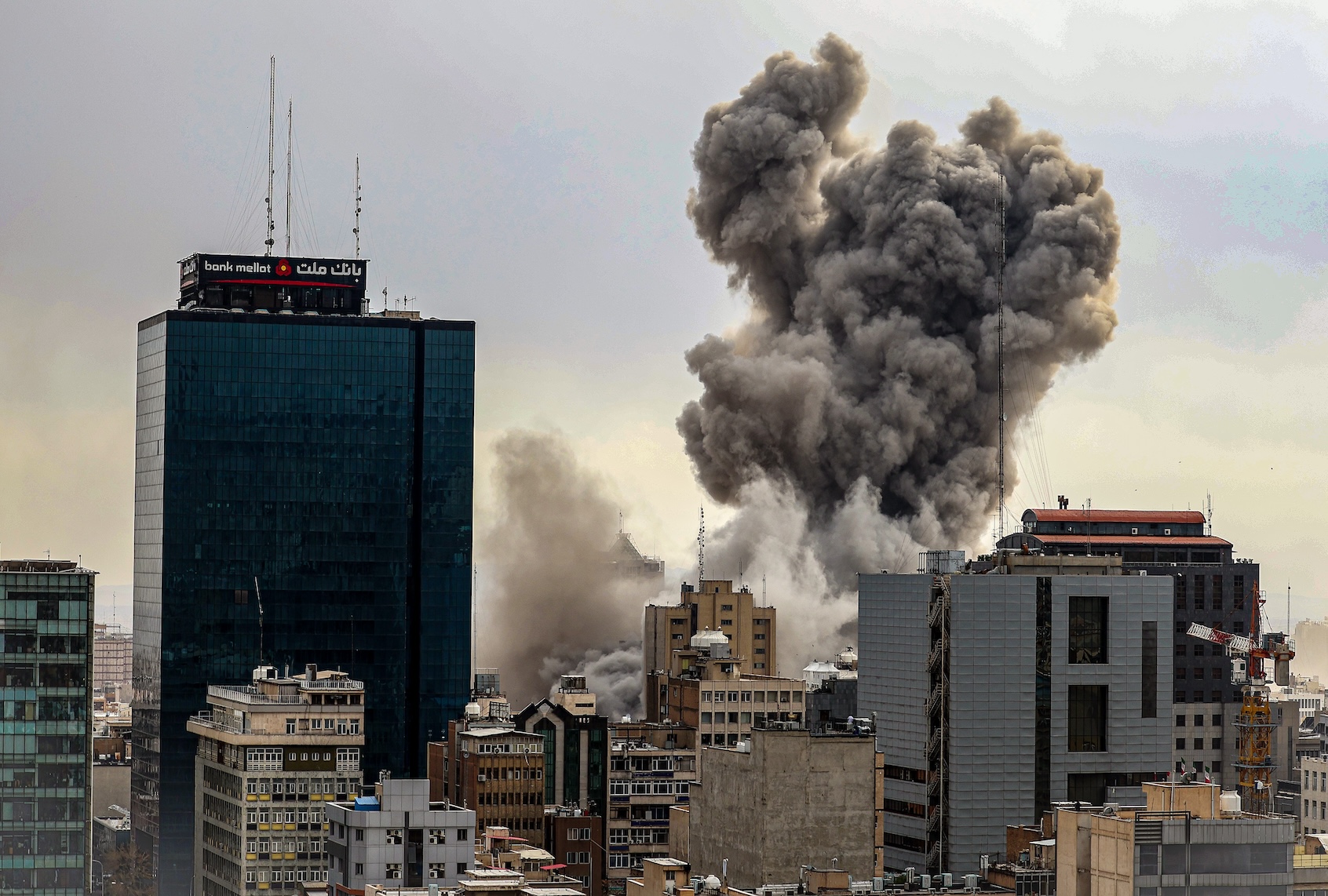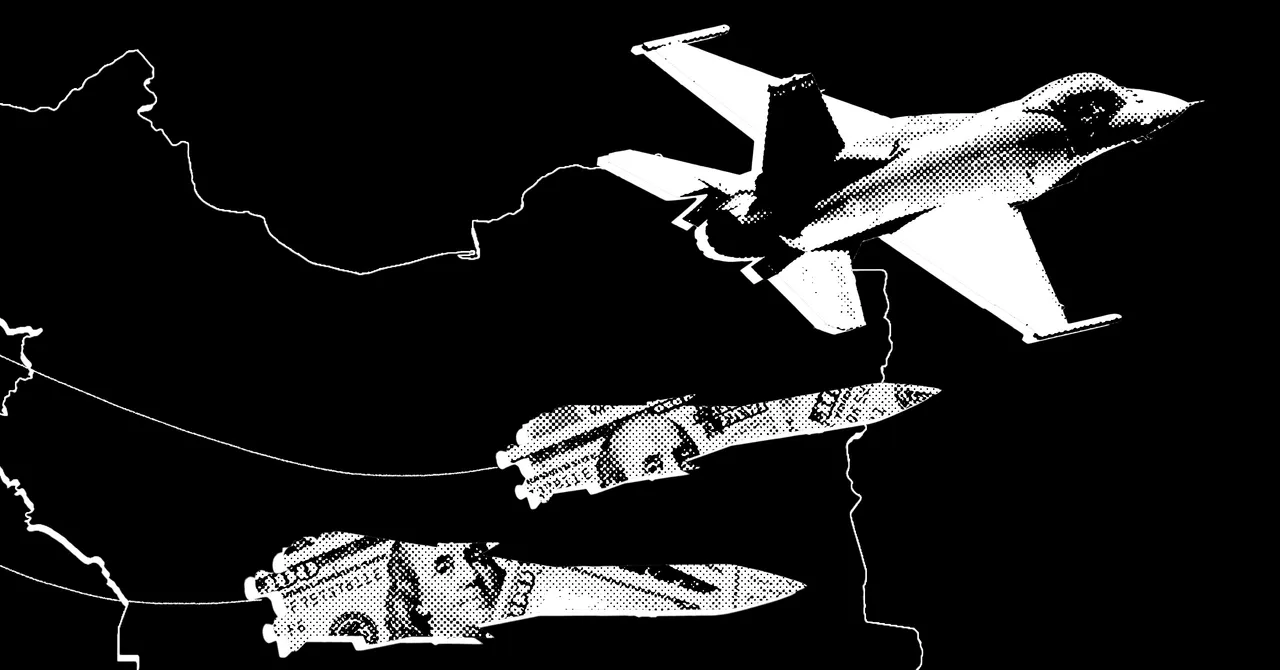
The bill for President Trump’s war in Iran is huge—and mounting. According to reports, Pentagon officials told members of Congress in a closed door meeting on Tuesday that they estimated the cost of the war exceeded $11.3 billion in the first 6 days of the conflict. And those figures do not include costs such as the hardware and personnel that were put in place in advance of the first strikes.
Kent Smetters, faculty director of the Penn Wharton Budget Model, forecasts that the meter is now running at roughly $800 million a day. Other estimates, including that advanced by John Phillips, a British safety, security, and risk advisor, put the daily tab at $1 billion. Smetters told Fortune that if the conflict rages for a total of two months, or seven more weeks, that it will inflict net new expenses on U.S. taxpayers of $65 billion.The numbers come amidst a backdrop of a worsening U.S. financial picture thanks to the spiraling national debt, and the mounting interest payments that are due. In its Feb. 11 report, the CBO projected a gap between expenditures and revenue for FY 2026 of $1.853 billion. The U.S. gets there by spending 33% more than the Treasury collects in taxes. An Iran war that lasts 60 days would hike the deficit by that $65 billion plus $1.4 billion in interest, or around $66.4 billion. That’s an increase of 3.6% that would raise the shortfall’s share of GDP from the forecasted 5.8% to 6.0%. The $66.4 billion would get tacked onto the deficit, and raises the amount we need to borrow, plus interest, year after year.