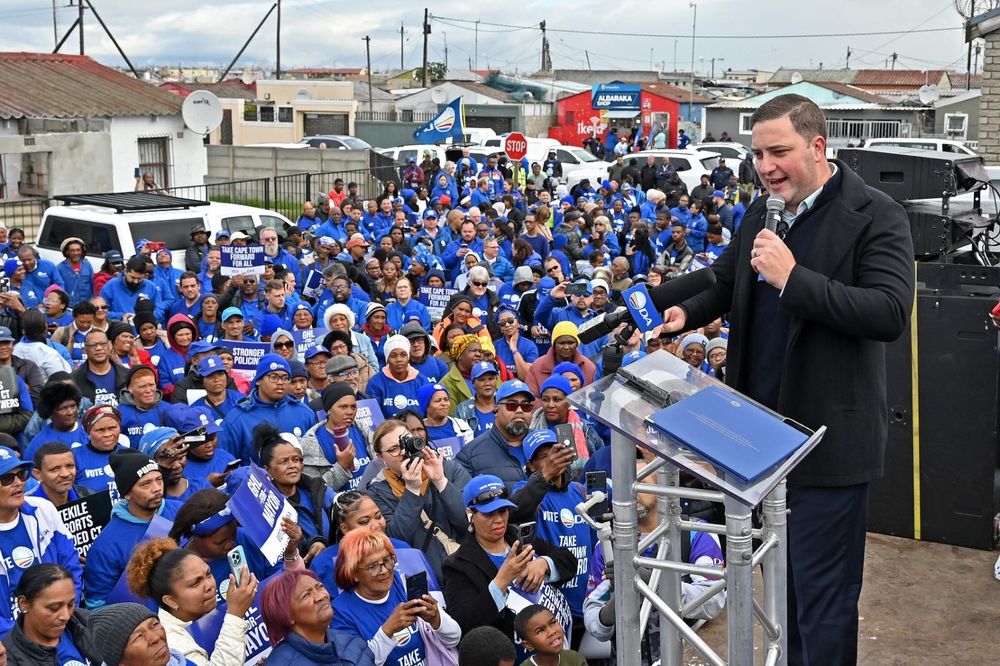
Volunteers are working to carve out safe spaces in townships with initiatives such as football training and dance classes
I
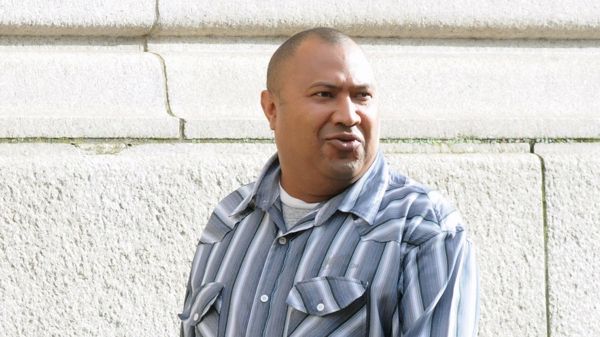
n 2015, Deniël de Bruyn moved almost 300 miles to Cape Town, to live with relatives and try to overcome a drug problem. Nine months later, he was dead, shot in what gangsters in the township of Wesbank claimed was a case of mistaken identity, according to De Bruyn’s cousin Lindy Jacobs.
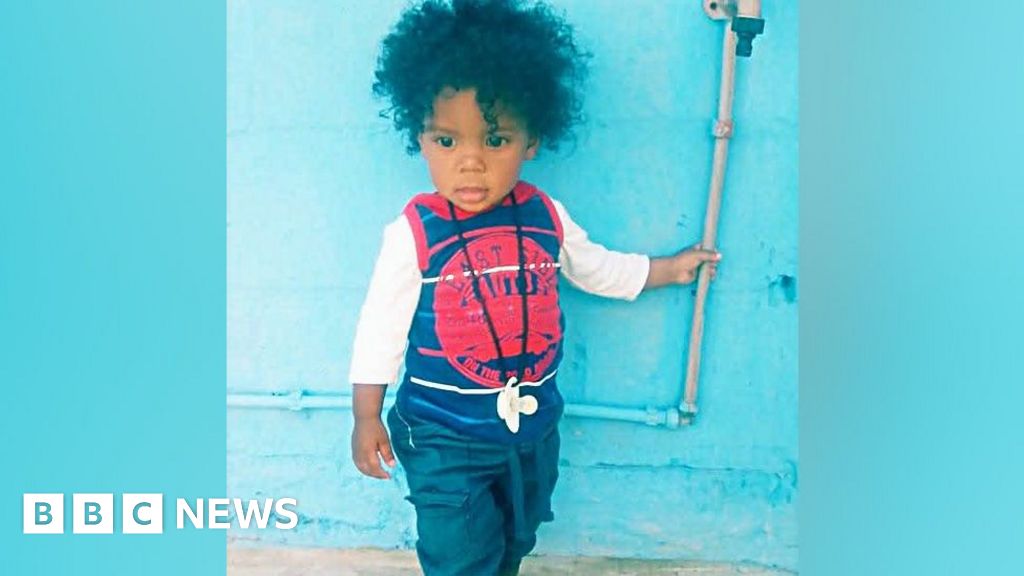
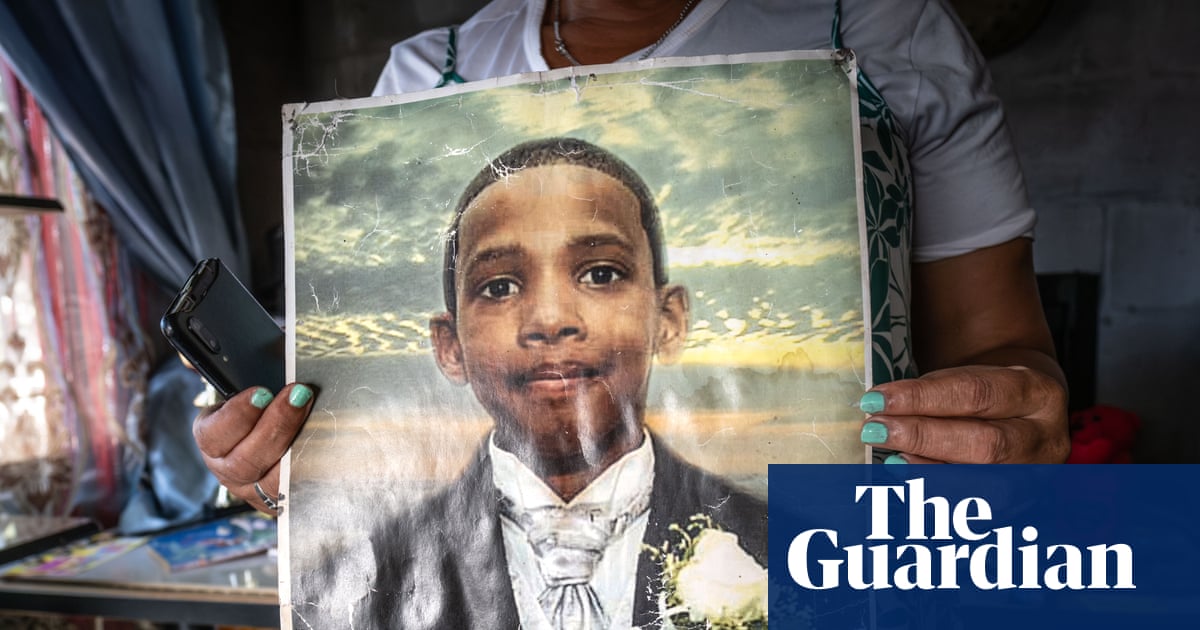
The shooting was witnessed by Jacobs’s 12-year-old son Zunadin. “My son’s life was never, never ever the same again,” she said. In 2018, Jacobs said, gangsters tried to kill Zunadin. She went to the police. But just two months later her son was dead too. Jacobs is now raising her 12-year-old grandson Noah, whose father was another casualty of gang violence.
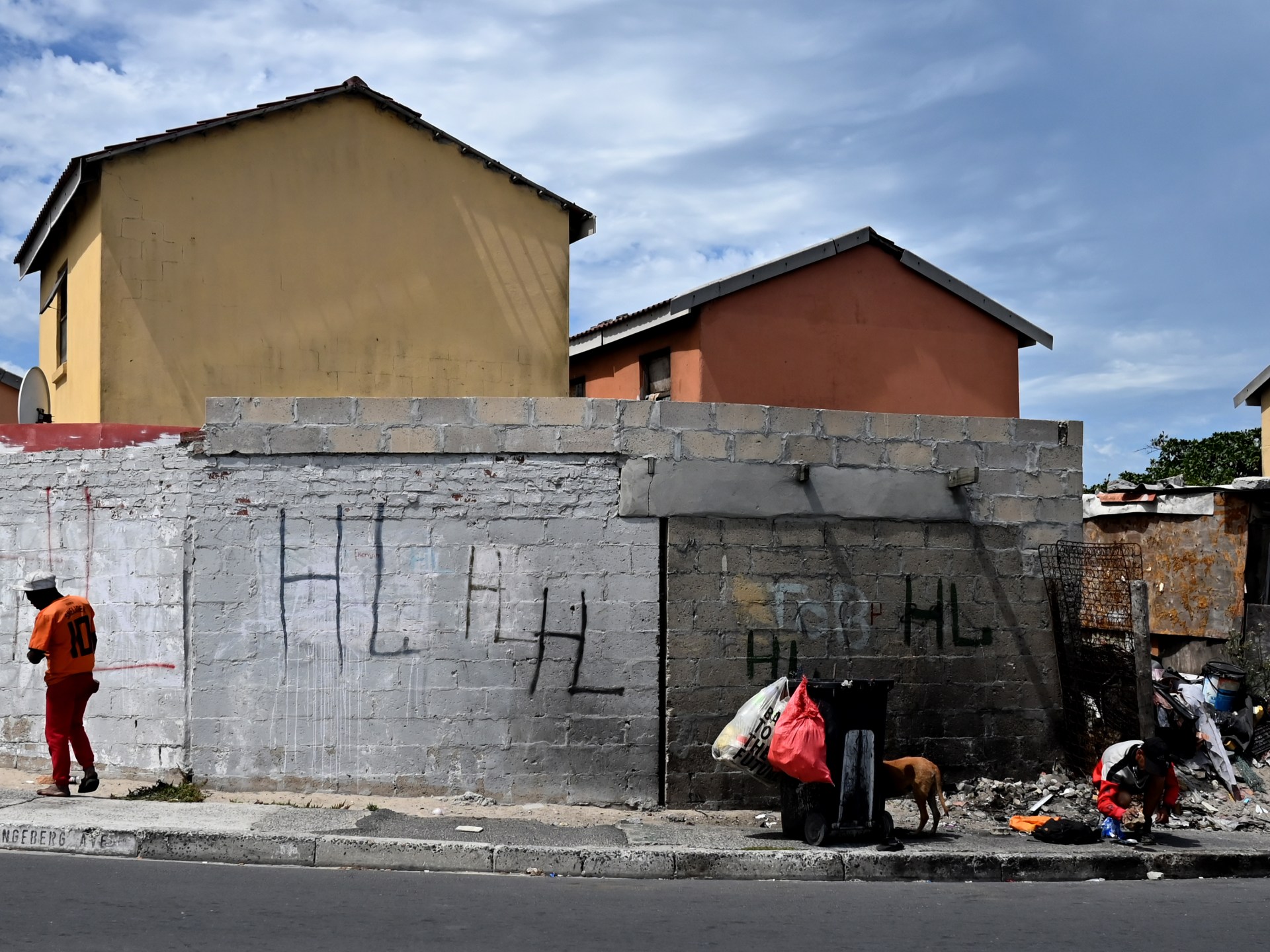
The Cape Flats townships, where Black, Coloured and Indian South Africans were forced to move by the white minority apartheid regime in the 1960s and 70s, are full of stories like Jacobs’. Of people whose families were torn apart by gangs, but who, despite everything, are committed to their communities.