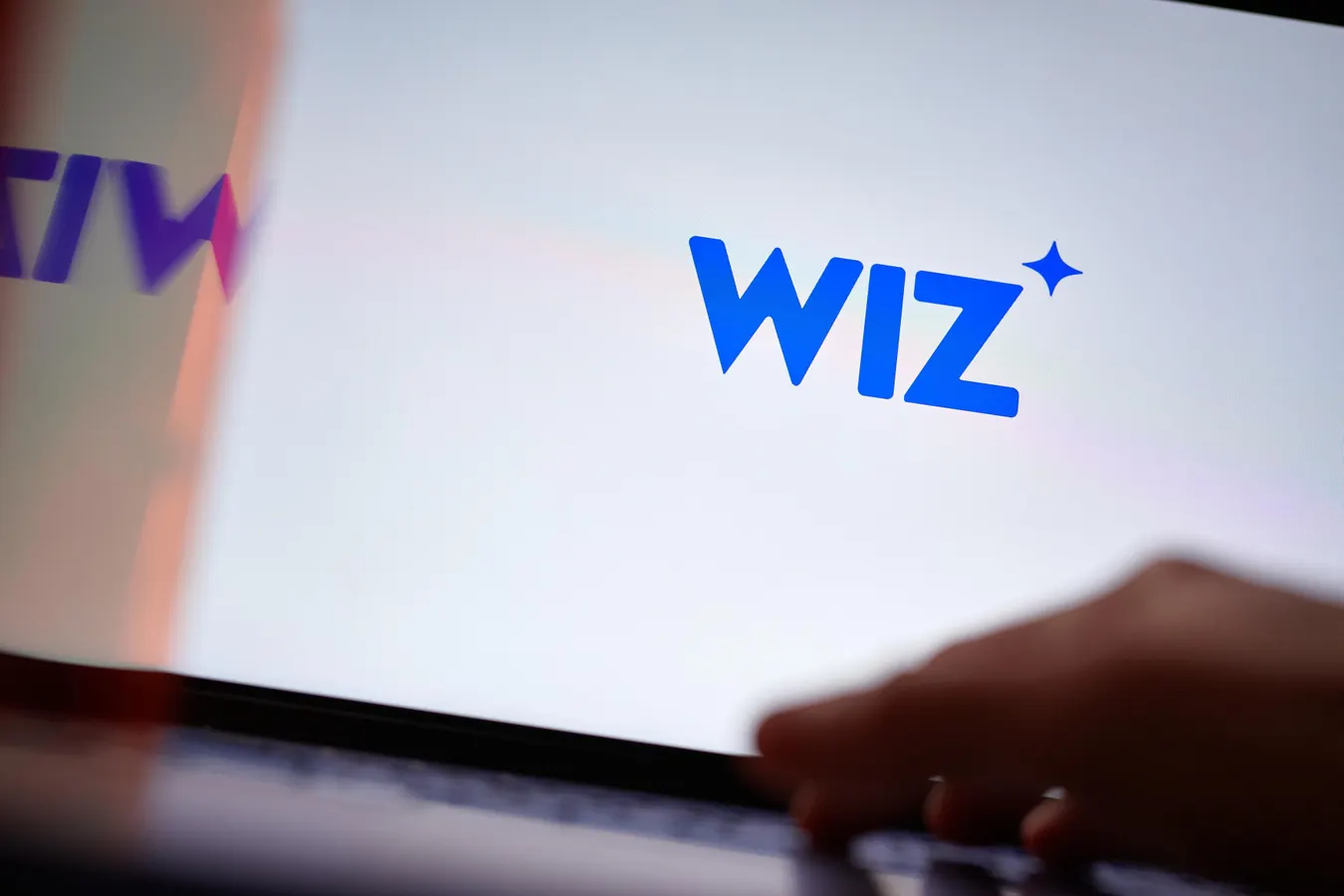
The Wiz logo on a laptop arranged in New York, US, on Tuesday, July 16, 2024. Google parent Alphabet Inc. is in talks to acquire cybersecurity startup Wiz Inc., according to a person familiar with the matter. Photographer: Gabby Jones/Bloomberg© 2024 Bloomberg Finance LPGoogle has closed its $32 billion all-cash acquisition of Wiz, the Israeli cloud security startup, completing the largest purchase in the company’s history and turning one of cybersecurity’s fastest-rising firms into a flagship bet for Google Cloud. The transaction caps a dramatic reversal: Just two years ago, Wiz snubbed a $23 billion offer from Google. At the time, Wiz CEO and cofounder Assaf Rappaport, 42, said the startup would pursue plans to go public and target $1 billion in annual recurring revenue by 2025. Talks reportedly resumed in early 2025 before the companies struck a new agreement in March. The Wiz purchase is the largest acquisition in Google’s history, a record-breaking bet on cloud-based security as enterprises race to secure-driven systems. Wiz rose with unusual speed, hitting $100 million in annual recurring revenue in just 18 months, a pace backers and rivals alike cite as evidence the market for cloud security is further expanding, driven by the rise of artificial intelligence. “We’re fighting giants,” Rappaport told Forbes in 2023. “I need to have the ability to invest in order to compete, because the opportunity is huge.”The four cofounders, who together own 40% of the company, won big from the deal. Each founder has 10% equity in the company, and the acquisition put over $2 billion in post-tax cash into their pockets, lifting the quartet’s combined net worth to $9.2 billion. Wiz’s Silicon Valley backers stand to do just as well. Sequoia Capital led Wiz’s $20 million seed round in 2020 alongside Cyberstarts, a Tel Aviv-based VC firm that focuses on cybersecurity startups. Sequoia is expected to generate more than a 25-fold return on its invested capital, netting roughly $3 billion. Meanwhile, Cyberstarts is expected to see a $1.2 billion return after the acquisition, sources familiar with the deal told Forbes. Other major beneficiaries include Insight Partners, which has an estimated 8% stake in the company and can take home $2.7 billion from the deal, Bloomberg reported. Index Ventures, which led a $100 million funding round in 2020, is expected to net $4 billion from the acquisition, according to sources. Greenoaks Capital Partners, which co-led a $300 million funding round in 2023 with Lightspeed Venture Partners that valued the company at $10 billion and cemented the cofounders' billionaire status, is expected to secure $2 billion, Bloomberg reported. Wiz was founded in 2020 by Rappaport, Ami Luttwak, Yinon Costica and Roy Reznik, who first met during their mandatory service in Israel’s elite intelligence Unit 8200. In 2012, Rappaport, Luttwak and Reznik launched Adallom, a cloud security startup initially focused on protecting Microsoft SharePoint files before expanding to include Dropbox and Salesforce. Microsoft acquired the company in 2015 for $320 million, and CEO Satya Nadella appointed Rappaport to lead the tech giant’s cloud security group in Herzliya, Israel.Five years later, the founders set out to make cloud security tools less cumbersome and difficult to deploy. Wiz introduced “agentless” software that scans a company’s cloud without requiring software to be installed on individual devices, giving security teams a real-time map of vulnerabilities and flagging threats based on priority. Investors moved quickly–just over a year after its founding, Wiz reached a $2 billion valuation and had raised more than $750 million. Within six months, its valuation surged to $6 billion, attracting high-profile investors including LVMH CEO Bernard Arnault and former Starbucks CEO Howard Schultz, who is worth $3.5 billion.Some industry peers have criticized Wiz’s growth tactics as too aggressive. In December 2023, the company acquired Israeli startup Raftt. The deal has since become the subject of a $200 million lawsuit, with Raftt’s current owners alleging the transaction was meant to facilitate a transfer of employees and that Wiz instead used Raftt’s technology to develop its product, Wiz Code. The Raftt dispute follows an earlier legal battle that lasted over 2 years. In July 2023, rival Orca Security sued Wiz, alleging the company copied its approach to agentless cloud security. Earlier this year, the companies agreed to dismiss the case. “As with past lawsuits filed against Wiz, we are confident that this lawsuit will also prove to be baseless,” the company told the Times of Israel in February.Wiz has also faced questions about its sales tactics, with some alleging the company buys businesses at a discounted price before raising prices. Its close relationship with early backer Cyberstarts, whose investment model once included financial incentives for CISOs, has also drawn scrutiny over potential conflicts of interest. “They’re ultra-aggressive, and not everybody likes that,” Nadav Zafrir, cofounder of Israeli-based incubator Team8 and former commander in Unit 8200 told Forbes in 2023. “Do they have to be? Yes, it’s part of the game.” Even so, Google is betting the upside overwhelms the baggage. Wiz is turning its focus to integration within Google Cloud, with Rappaport indicating that Wiz is already working alongside Google Gemini and expects to announce additional partnership details in the coming months.
The Biggest Winners From Google’s $32 Billion Wiz Takeover
Two years after rejecting a $23 billion offer, Israel-based Wiz secured the largest acquisition in Google’s history and will deliver billion-dollar returns to its founders and investors.
859 words~4 min read