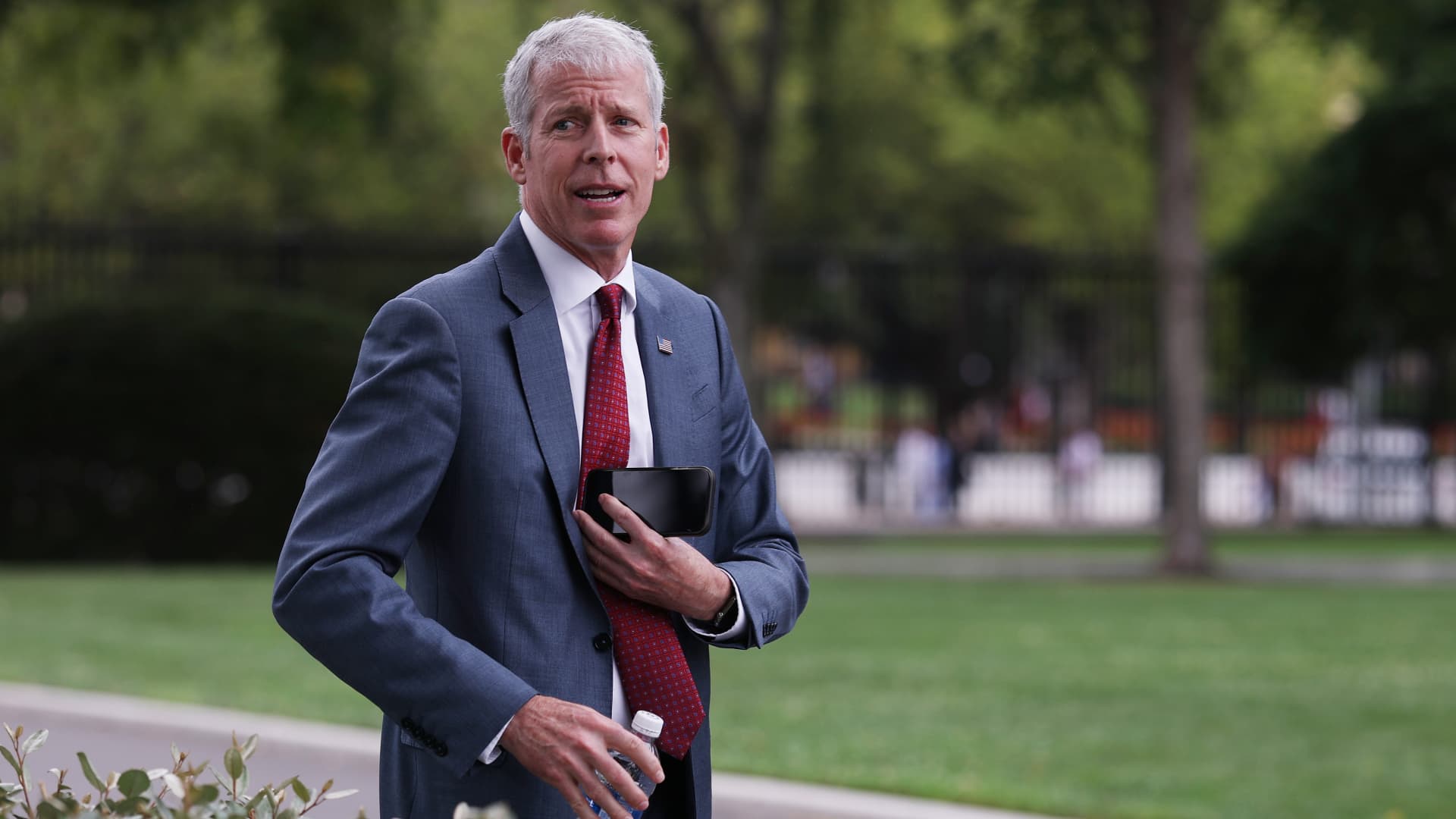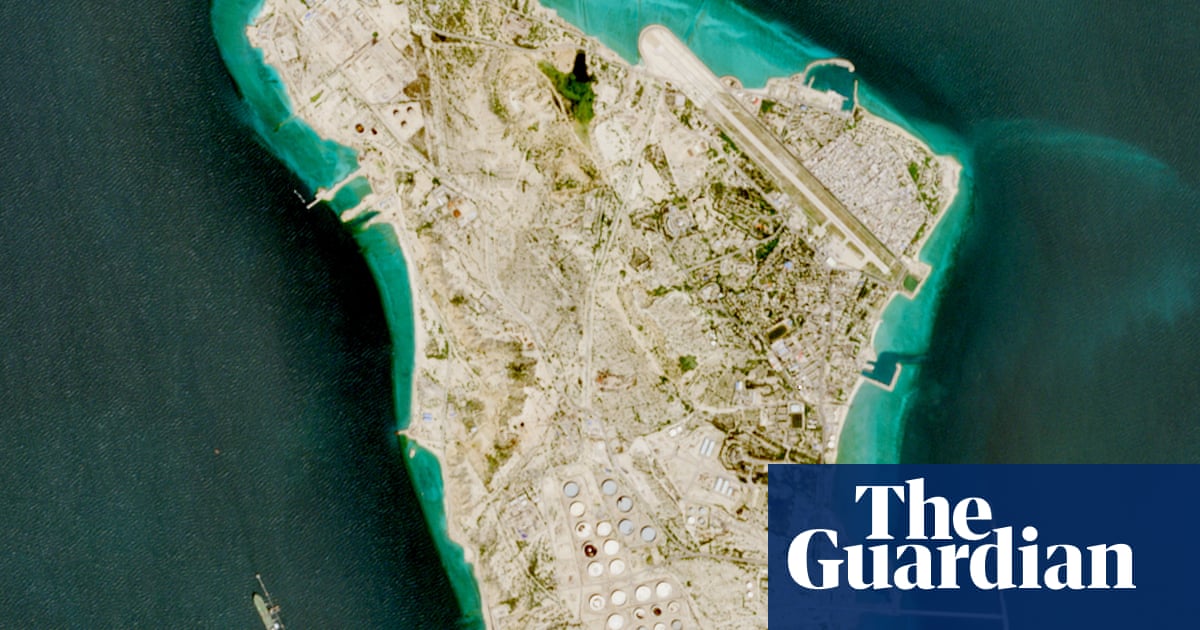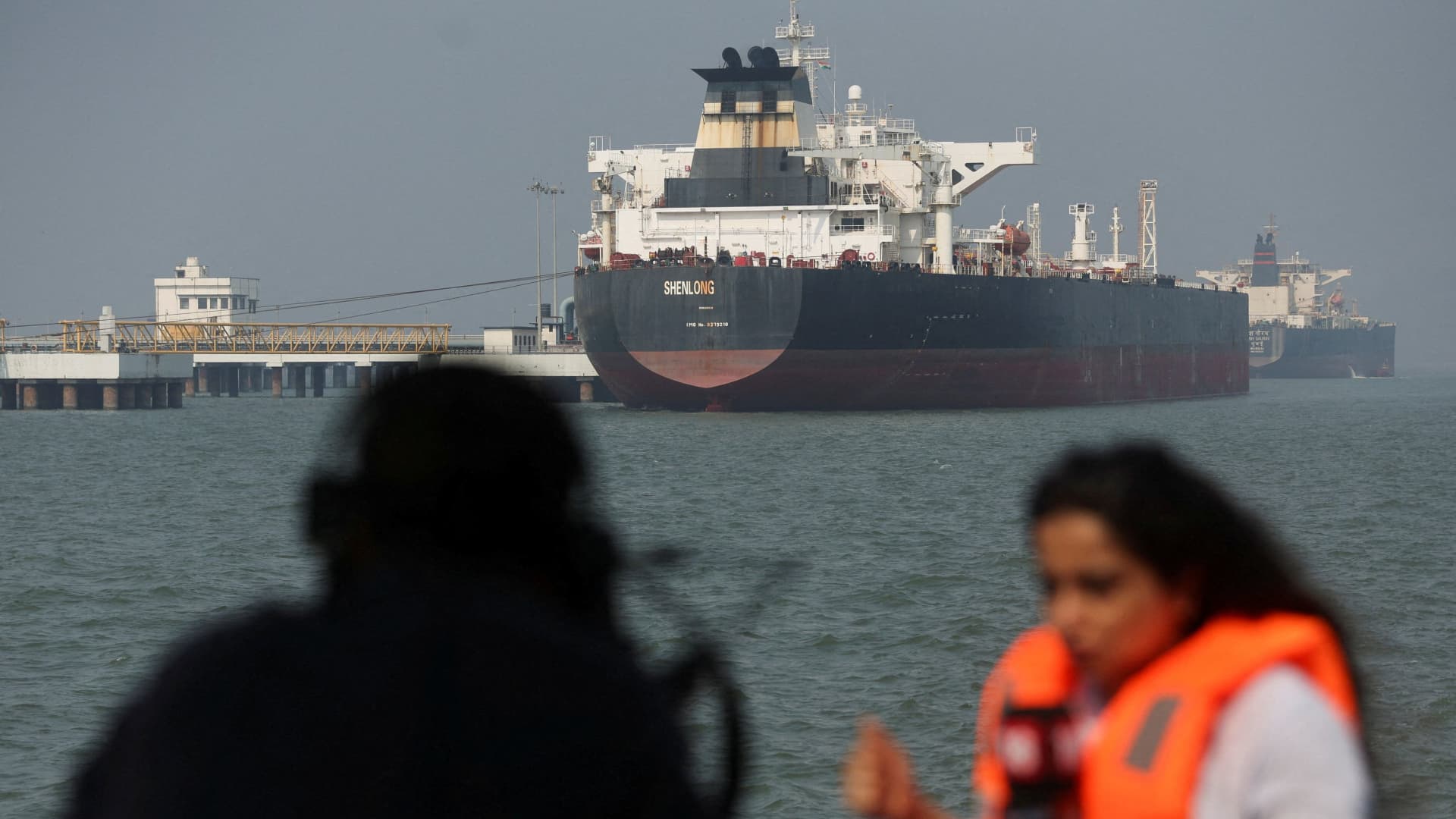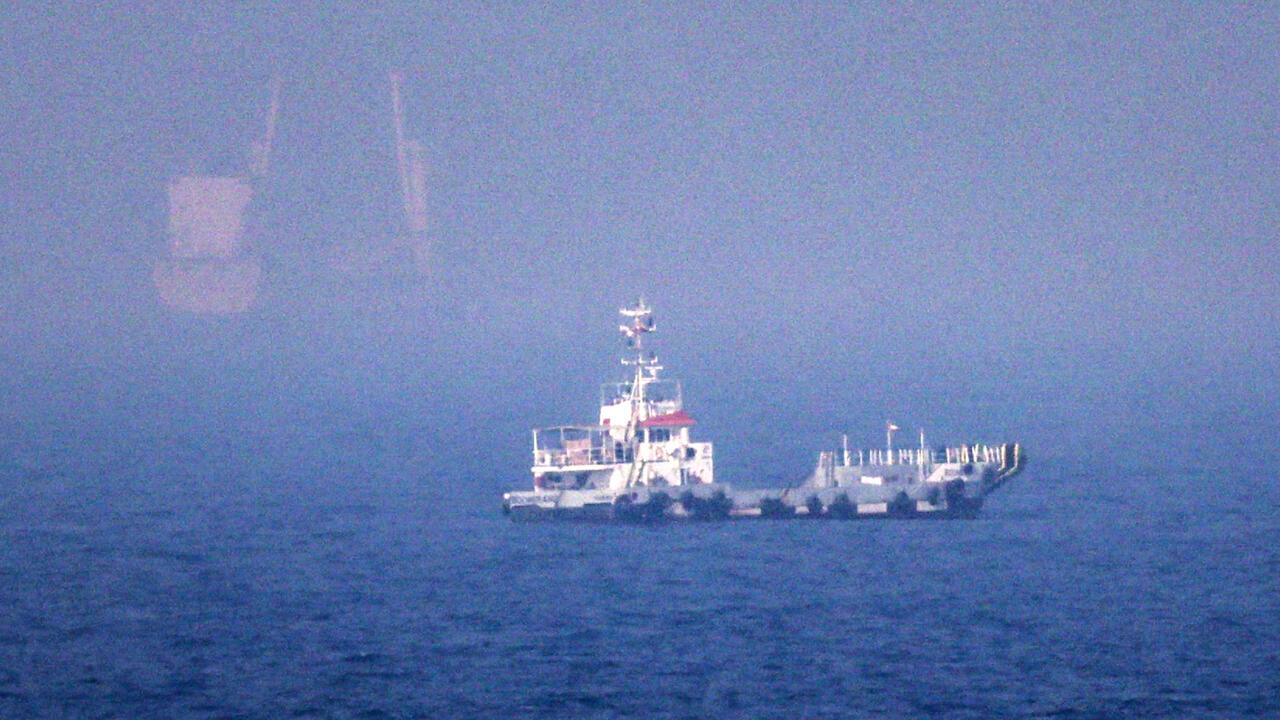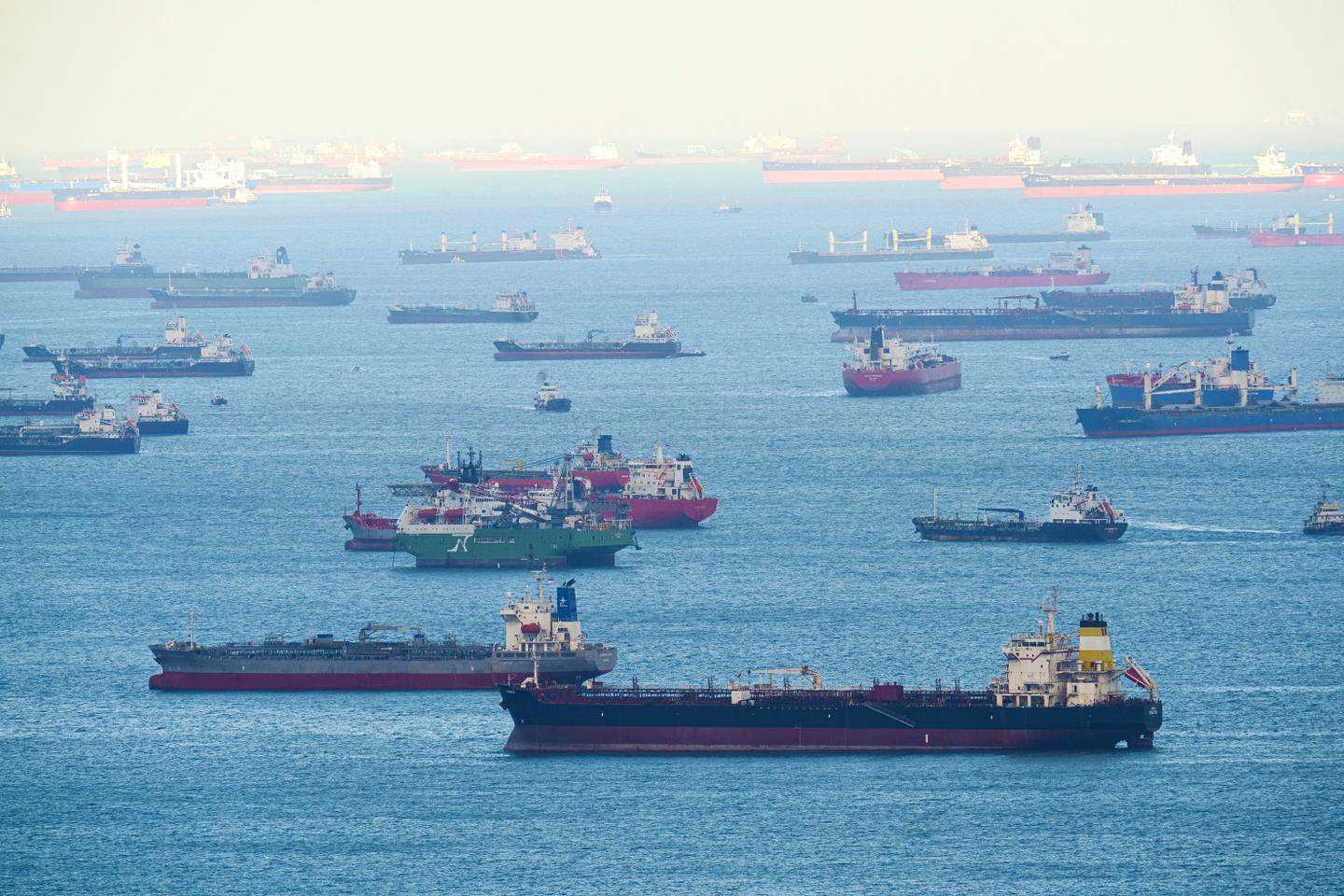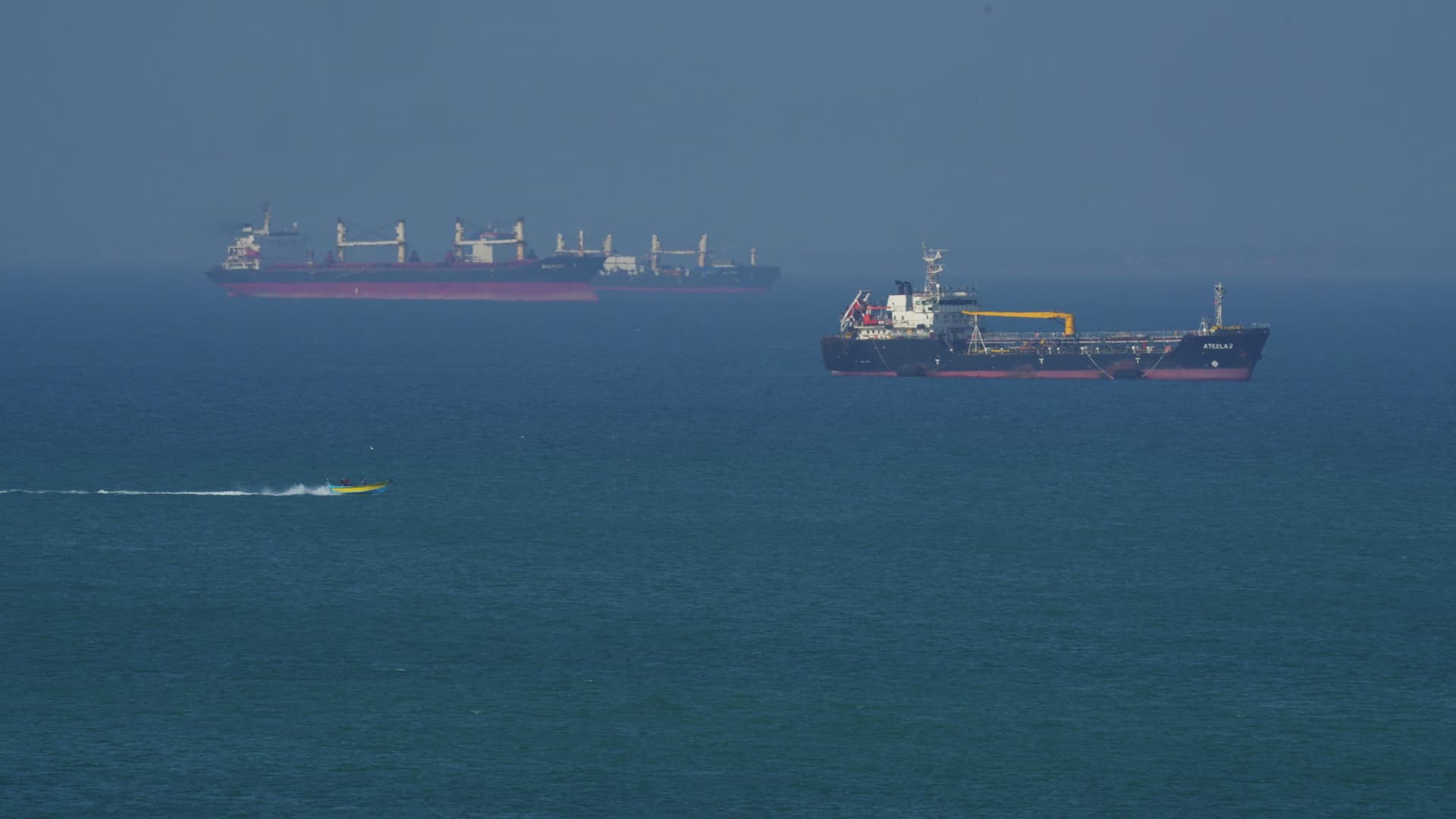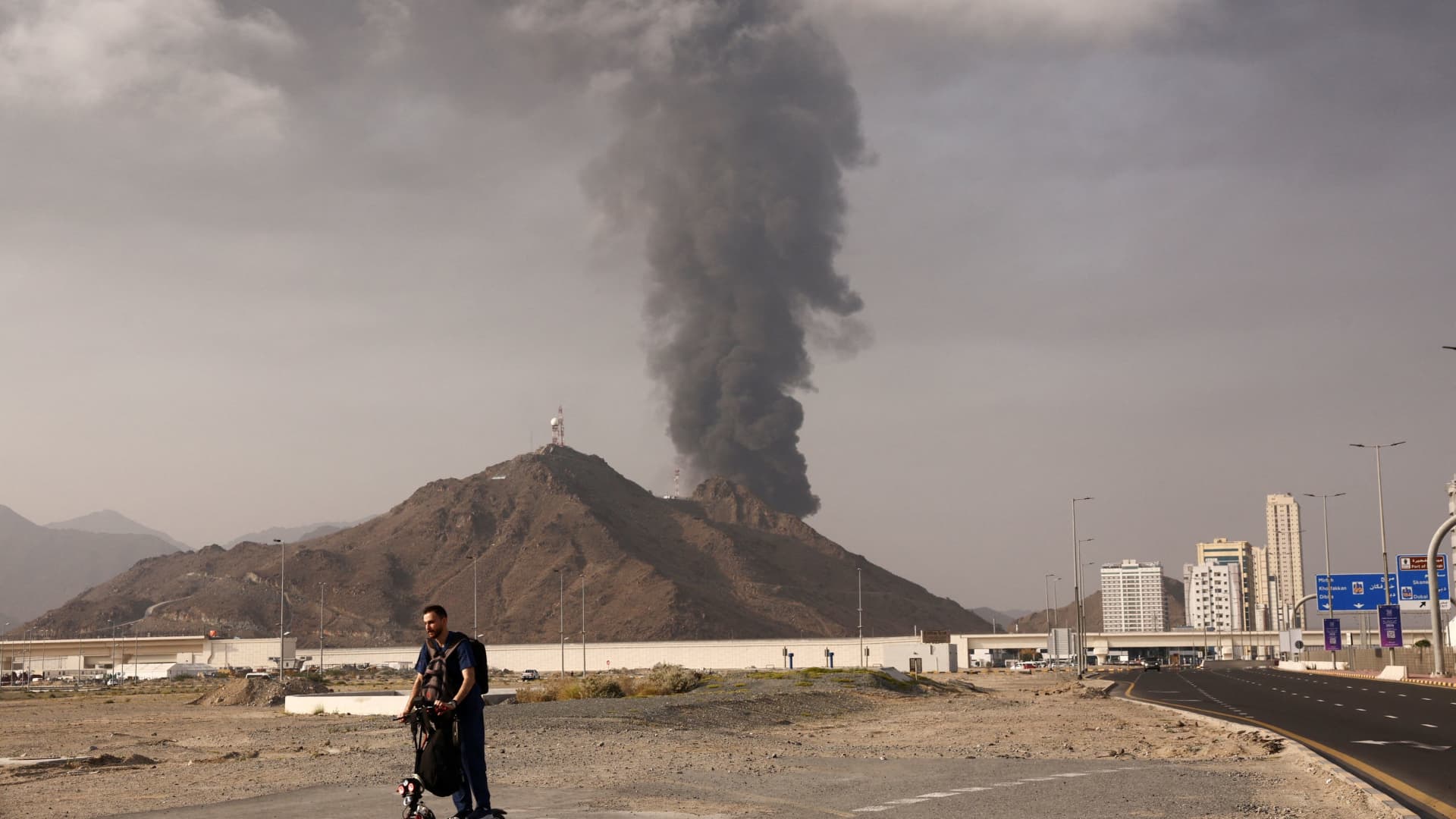
On Tuesday afternoon, Energy Secretary Chris Wright posted six words on X that moved global oil markets more than any airstrike this week: The Navy, he wrote, had “successfully escorted an oil tanker” through the Strait of Hormuz.
Crude cratered at the fastest pace in years. West Texas Intermediate, a reliable benchmark, plunged as much as 19% as traders who had spent days pricing in a prolonged closure of the world’s most critical energy chokepoint suddenly scrambled to unwind their positions. An exchange-traded fund tied to oil futures shed $84 million in market cap in just ten minutes. Then, the post disappeared, and the White House confirmed no such escort had taken place. A Department of Energy spokesperson called it an “incorrectly captioned” video clip. But the damage was already done.
“The market is depending on accurate information from the administration,” Andy Lipow, president of analyst firm Lipow Oil Associates, told Fortune. “And when a tweet is posted and deleted quite rapidly, it brings into question what exactly is happening.”
What exactly is happening, over the past few days, has depended entirely on which administration official you’re listening to.
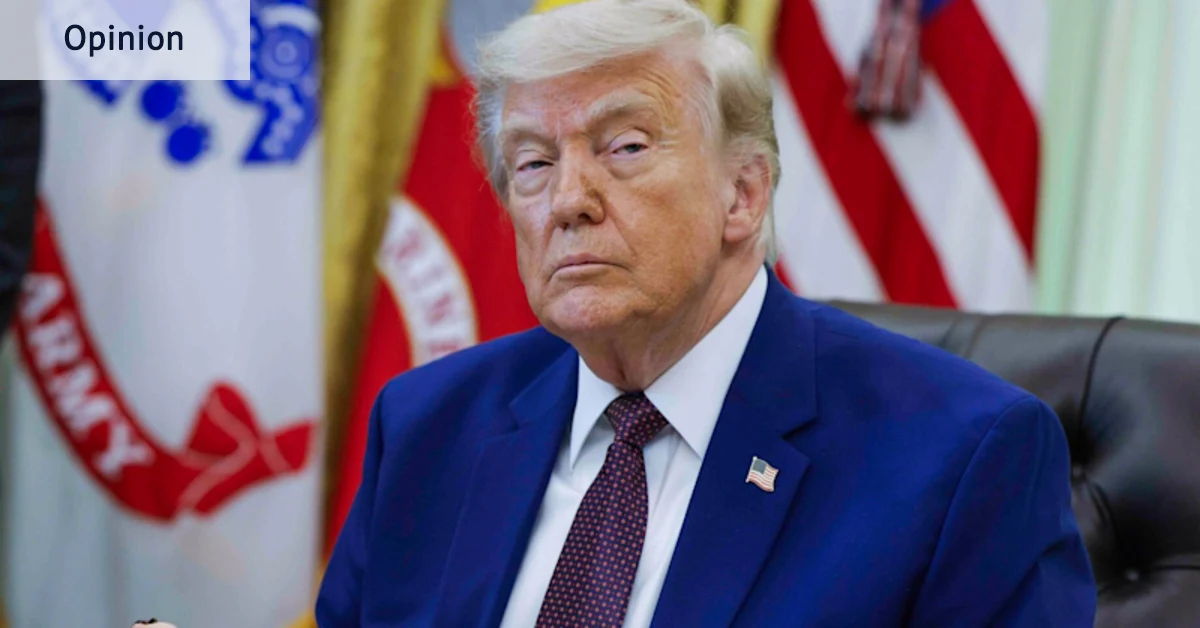
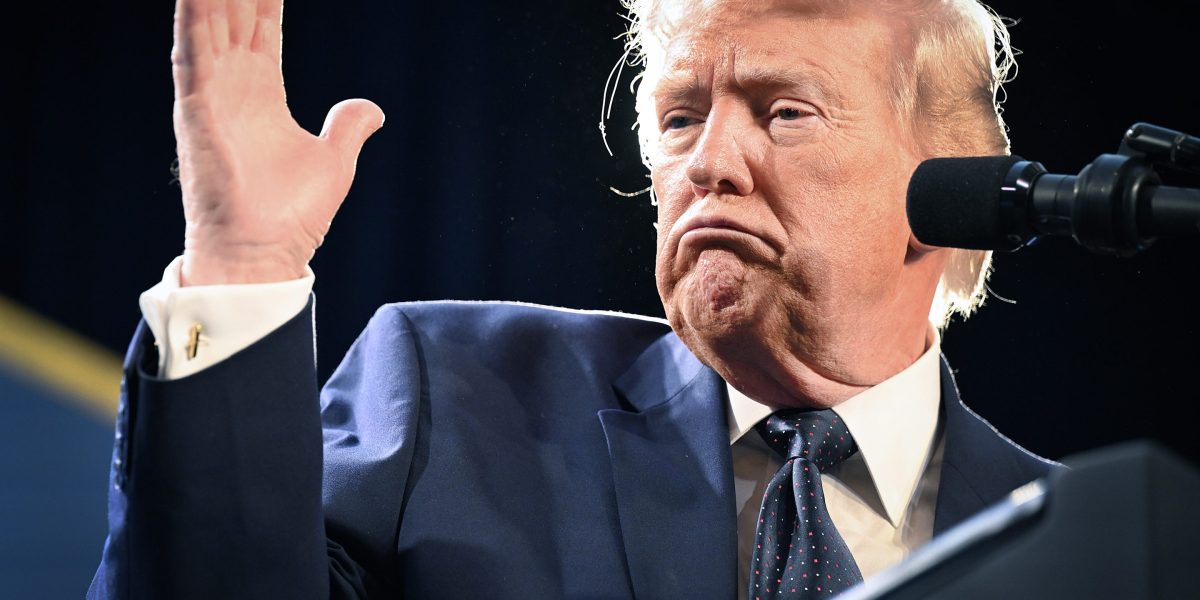
On Monday, crude oil had surged to $119, until President Donald Trump told CBS that the war was “very complete, pretty much.” After that, crude slid by nearly $34 in a matter of hours, dropping below the psychological barrier of $100 a barrel. Then, on Tuesday, Defense Secretary Pete Hegseth promised that day would contain the most intense strikes yet— “the most fighters, the most bombers, the most strikes.” It didn’t seem like the war was over, so oil climbed back toward $90. Wright then said the Strait disruption would last “weeks, certainly not months.”