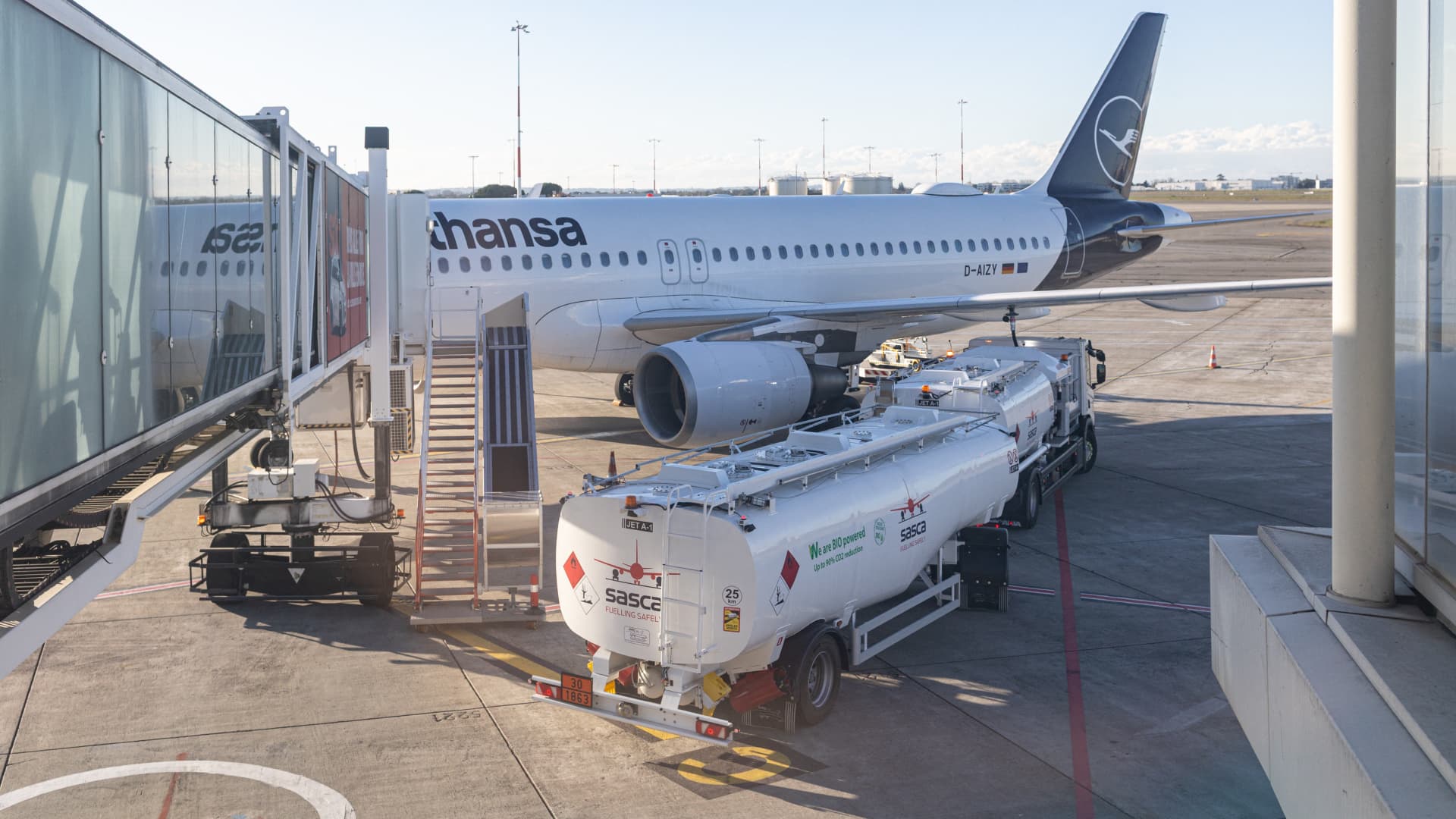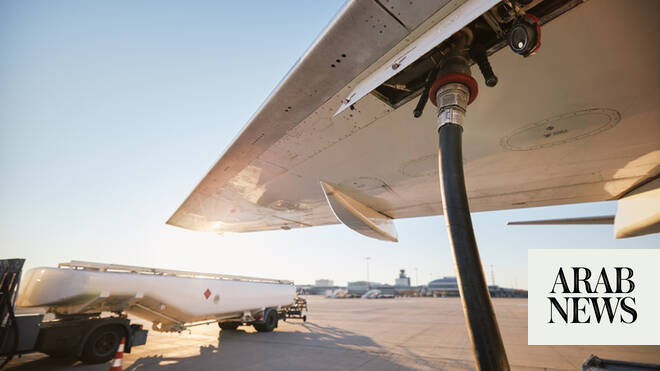
JEDDAH: Military operations involving the US and Israel against Iran have roiled global energy markets, sending jet fuel prices sharply higher and prompting a wave of fare increases and fuel surcharges from airlines worldwide.
Jet fuel, which traded at roughly $85 to $90 per barrel before recent strikes, has surged to $150 to $200 per barrel in recent days, underscoring the scale of the cost shock.
Several major carriers, including Australia’s Qantas Airways, Scandinavia’s Scandinavian Airlines and Air New Zealand, announced airfare hikes on March 10, attributing the moves to a steep rise in fuel costs linked to the Middle East conflict, according to Reuters. These were joined by Air India and Air Chathams.
Speaking to Arab News, Khaled Ramadan, economist and head of the International Center for Strategic Studies in Cairo, said the developments have prompted some airlines to hike fares and suspend financial outlooks, as fuel constitutes 20 to 30 percent of operating costs.
“Over the coming months, airline fares could rise 15 to 20 percent on international routes, exacerbated by airspace closures forcing detours that add hours to flights and burn extra fuel,” he said, adding that low-cost carriers in Asia and unhedged US airlines face the sharpest margin pressure.