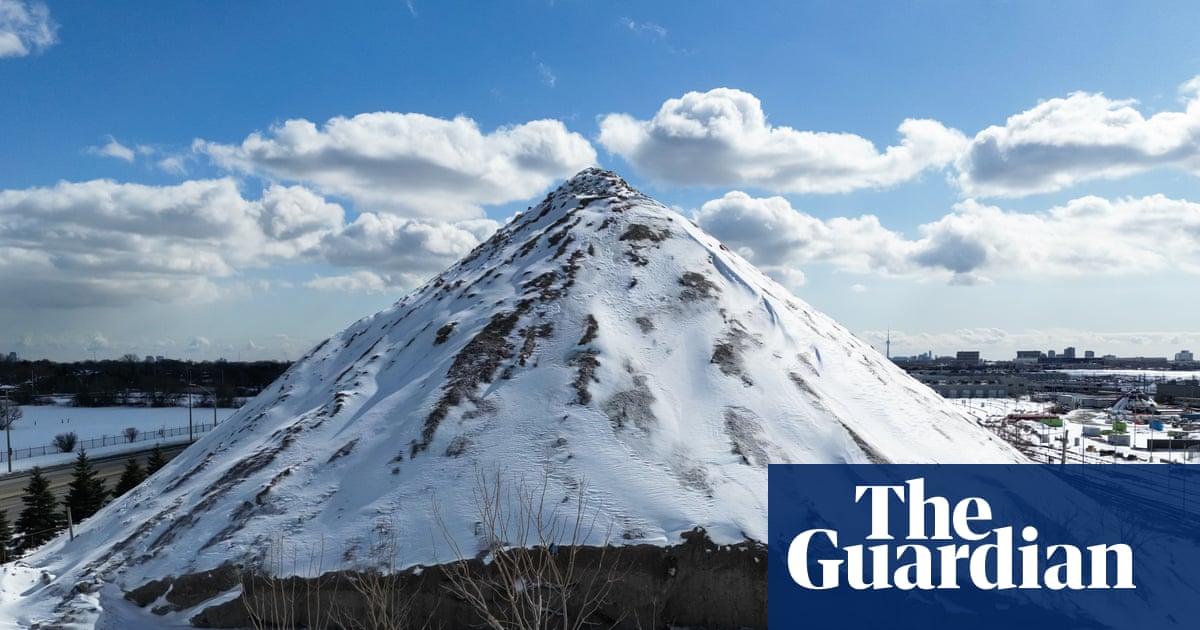
Reaching up to 100ft, these massive piles contain tonnes of salt that keep roads clear – but pose environmental risks
Most mountains take tens of millions of years to form. Toronto’s newest mountain took just days.
Towering atop the crowns of evergreens, it has no skeleton of limestone or granite. There are no spires, cornices or headwalls. It is simply piles upon piles of snow, mixed with a toxic cocktail of road salt, antifreeze, oil, coffee cups and lost keys. It is the final resting place for the forces of nature that have battered the city in recent weeks – and a daunting environmental hazard.
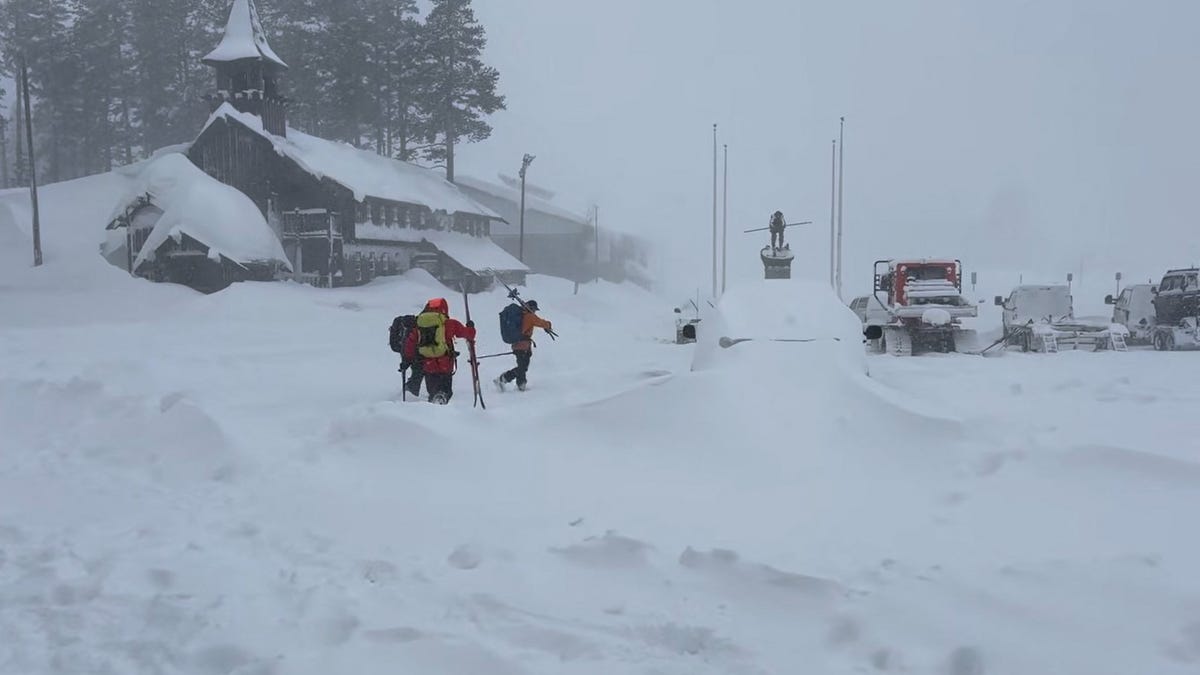
In late January, Toronto was hit with what many experts said was the heaviest single day of snowfall in the city’s history. In some spots, nearly 23in fell, driven in part by a collision of weather systems. The city had already removed 264,000 tonnes of snow from 1,100 km (680 miles) of roads, sidewalks and bike lanes by mid-February.
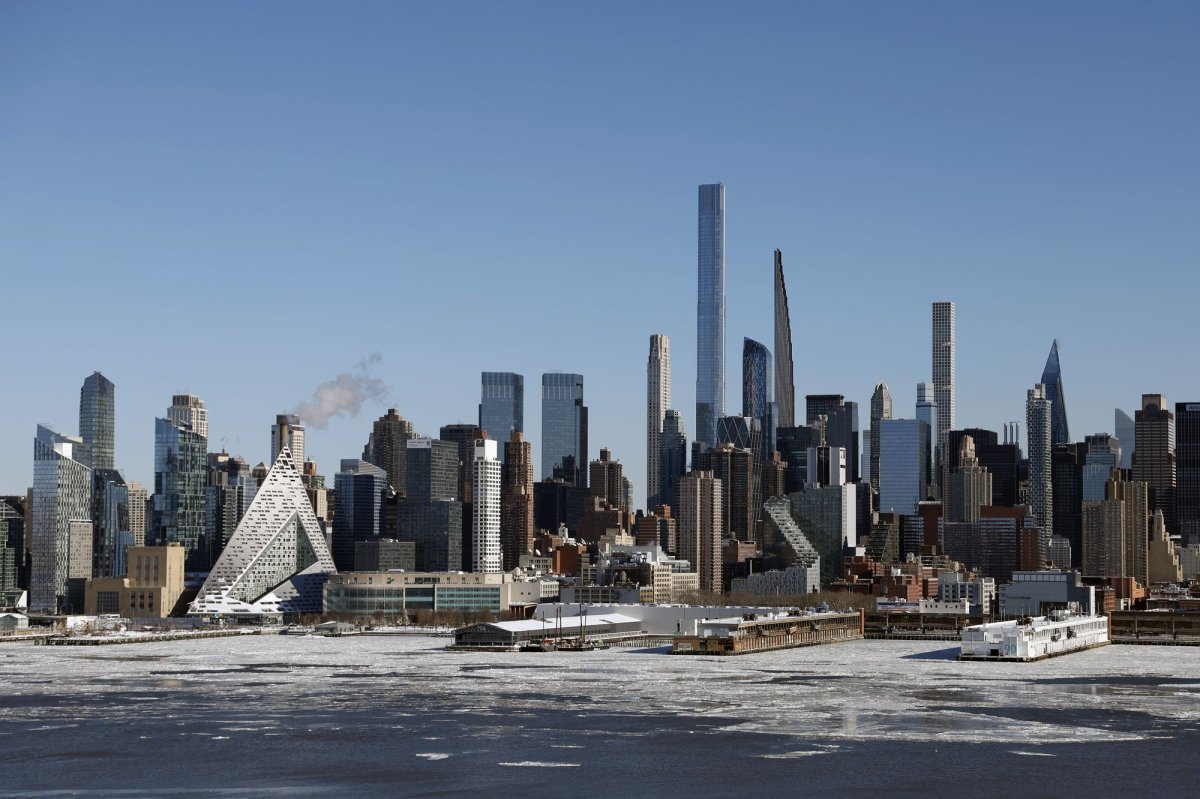
A similar storm hit New York City at the end of February with more than 25in of snow piling up in some regions, part of a two-day storm with hurricane-like winds.