Kei Ishikawa’s take on Ishiguro’s first published work is frustrating and bland, undermining its fascinating characters’ emotional truths
K
azuo Ishiguro has long been a subtle and potent figure in the movies, with his distinctively Anglo-Japanese melancholy. Ruth Prawer Jhabvala’s adaptation of The Remains of the Day for director James Ivory was a heart-rending study in regret; Alex Garland and Mark Romanek’s treatment of science-fiction novel Never Let Me Go was an excursion into strangeness and sadness and, as a screenwriter himself, Ishiguro’s script for Living, a remake of Akira Kurosawa’s Ikiru, was a wonderful transformation.
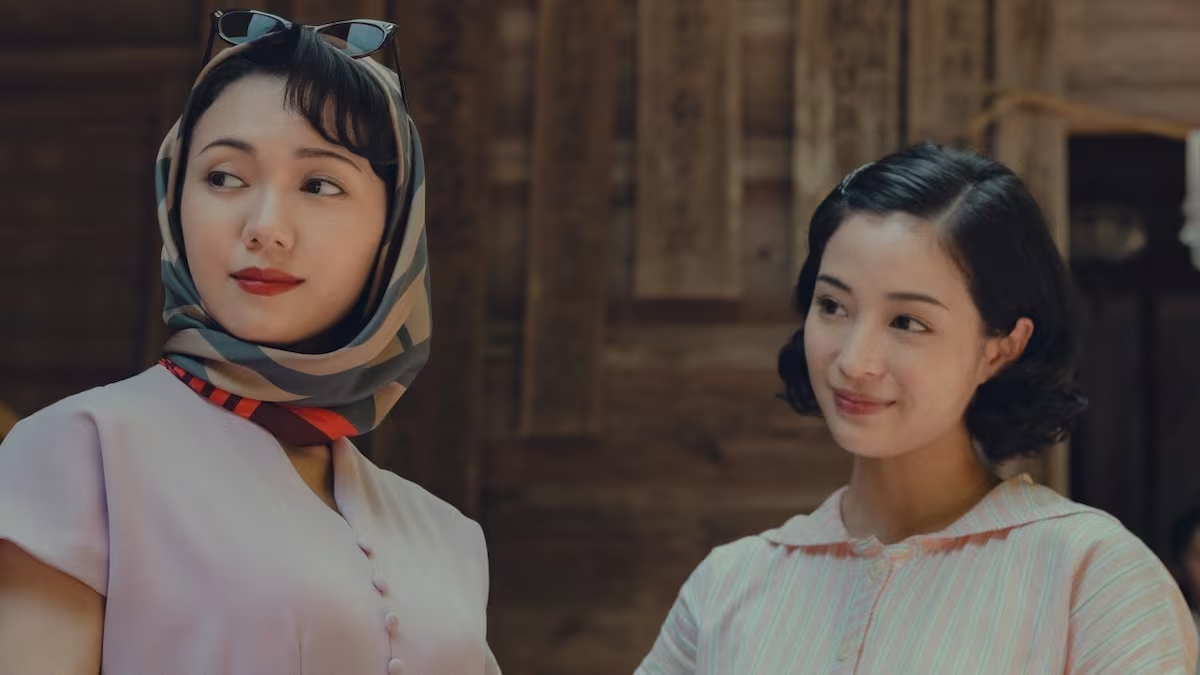
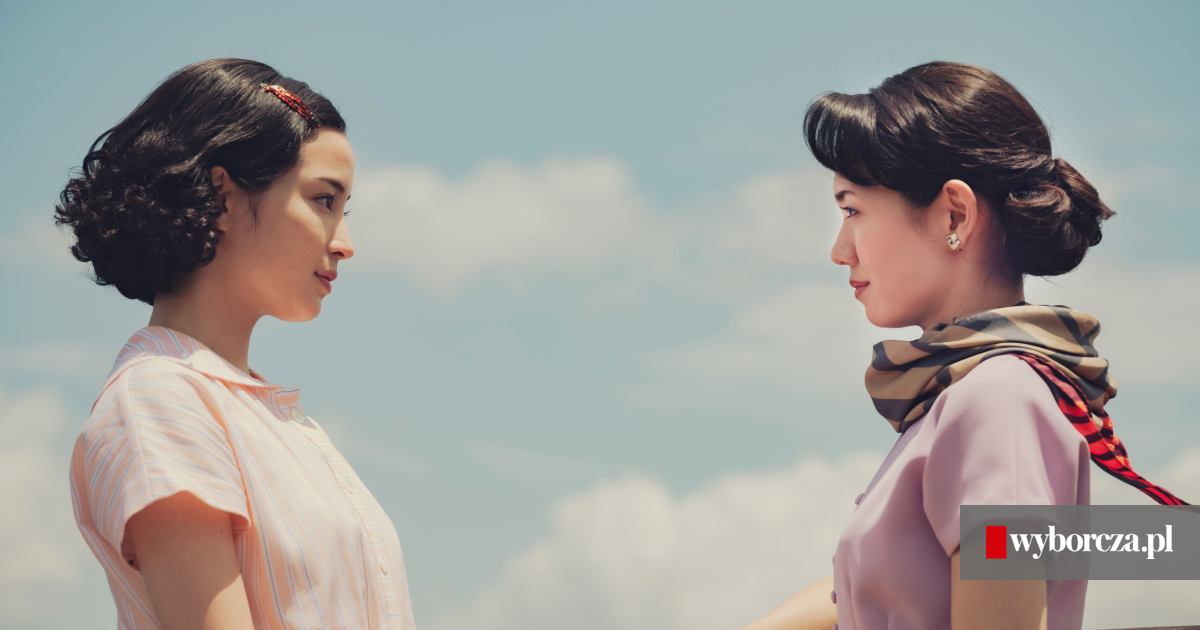
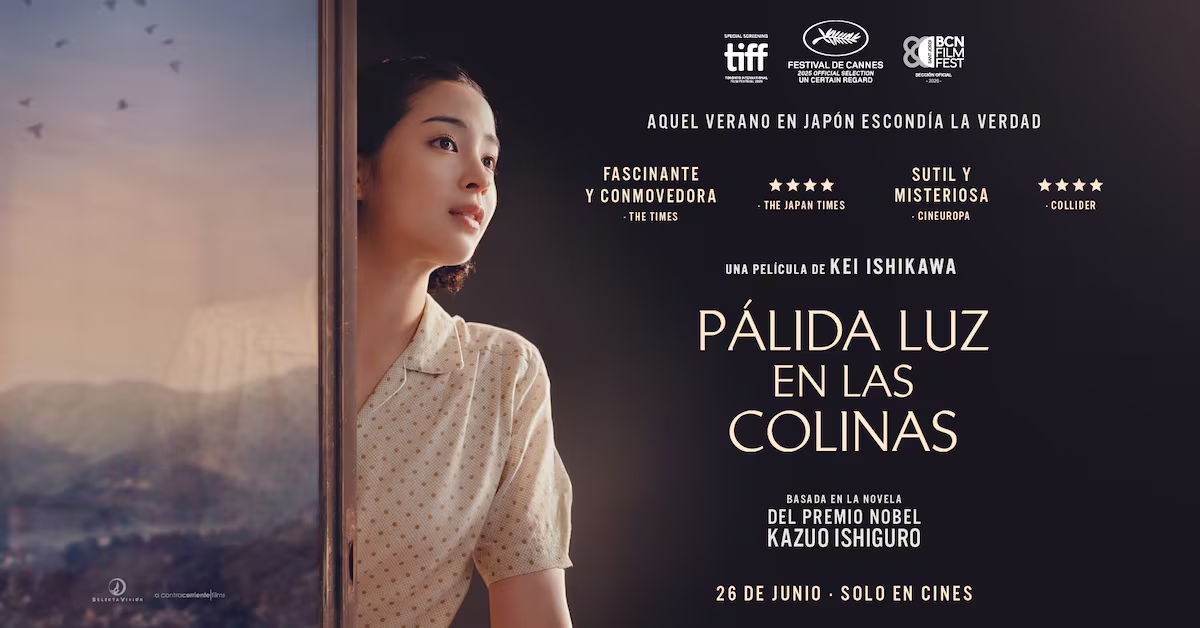
But A Pale View of Hills, adapted by Japanese writer-director Kei Ishikawa from Ishiguro’s 1982 debut novel, is somehow frustrating and disappointing. It is a bland, soggy film whose contrived and anticlimactic surprise ending is not delivered with a clear satisfying twist and, for me, undermines our expectations of what we thought we would be told about the emotional truth of the main character and her life story.
It takes place in two time strands: one is England in the 1980s, where Etsuko (Yo Yoshida) is an expatriate Japanese widow in late middle-age, whose grownup journalist daughter Niki (Camilla Aiko) has had to live with the memory of her older half-sister Keiko – that is, Etsuko’s older daughter – taking her own life. Etsuko has always told Niki that she left her husband in Japan to be with a foreigner and they came to England with Keiko. Niki was born in England later.