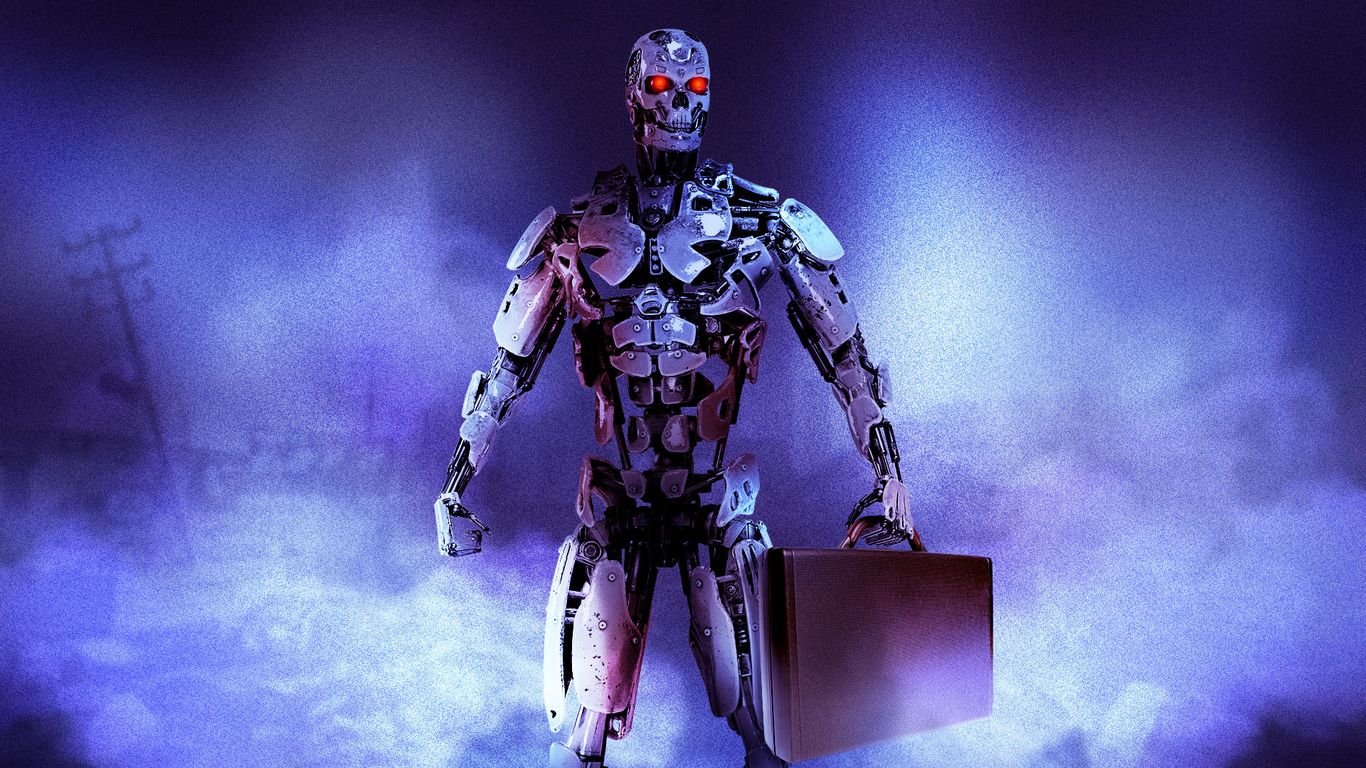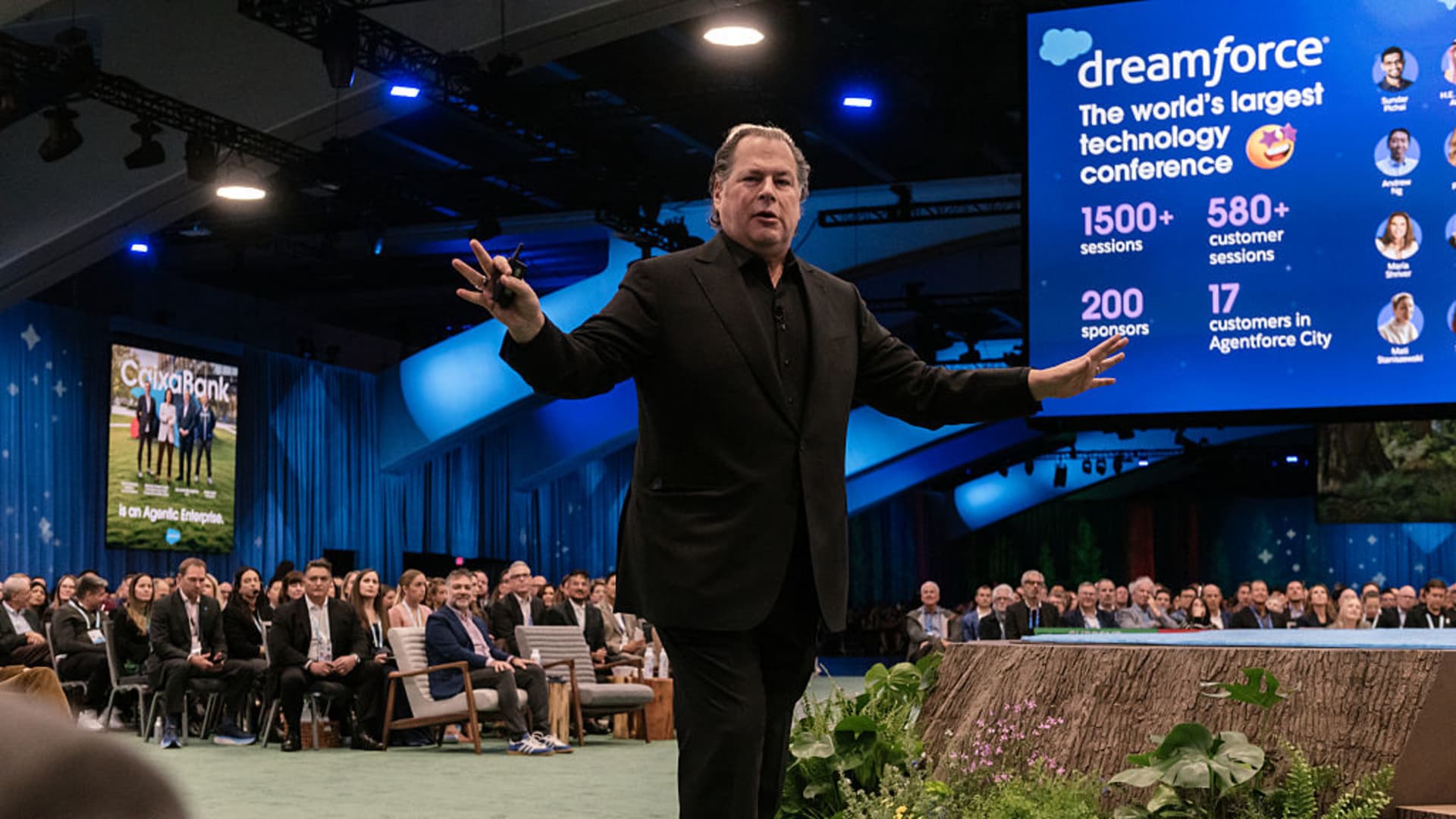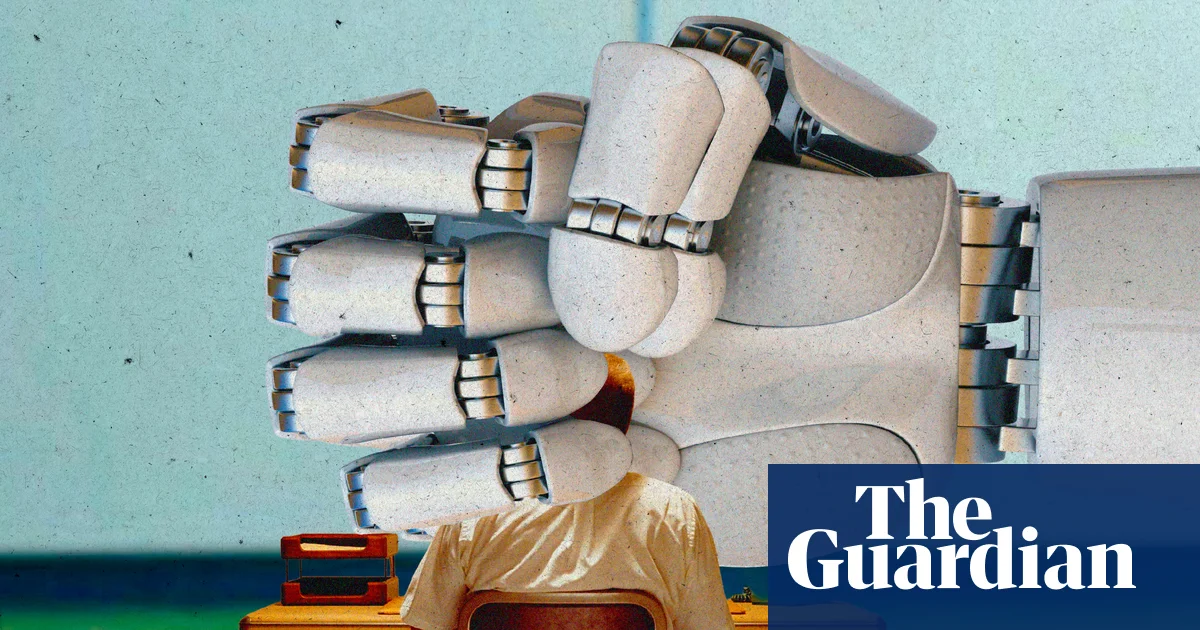
As consensus grows in Silicon Valley and Wall Street about the incoming artificial intelligence “job apocalypse,” there are few answers on what comes next.
Anthropic CEO Dario Amodei and Microsoft AI chief Mustafa Suleyman have predicted that most white-collar jobs could be automated within the next one to five years, and JPMorgan Chase CEO Jamie Dimon said last month that now is the time to start thinking about large-scale AI labor disruption. A recent analysis from Morgan Stanley offered a more tempered outlook for workers: Your current job may be eliminated, but you won’t be unemployed forever as new jobs replace old ones.
Regardless of which predictions are correct in the long term, AI layoffs are here, and they bring with them looming economic uncertainty for newly unemployed workers in a stagnating job market.
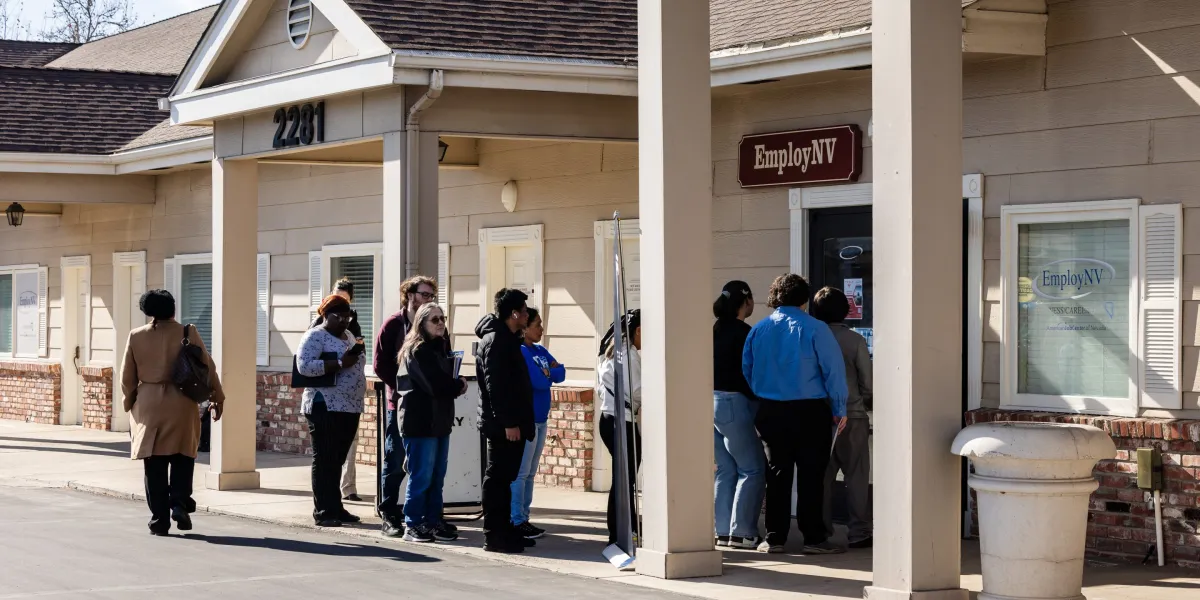
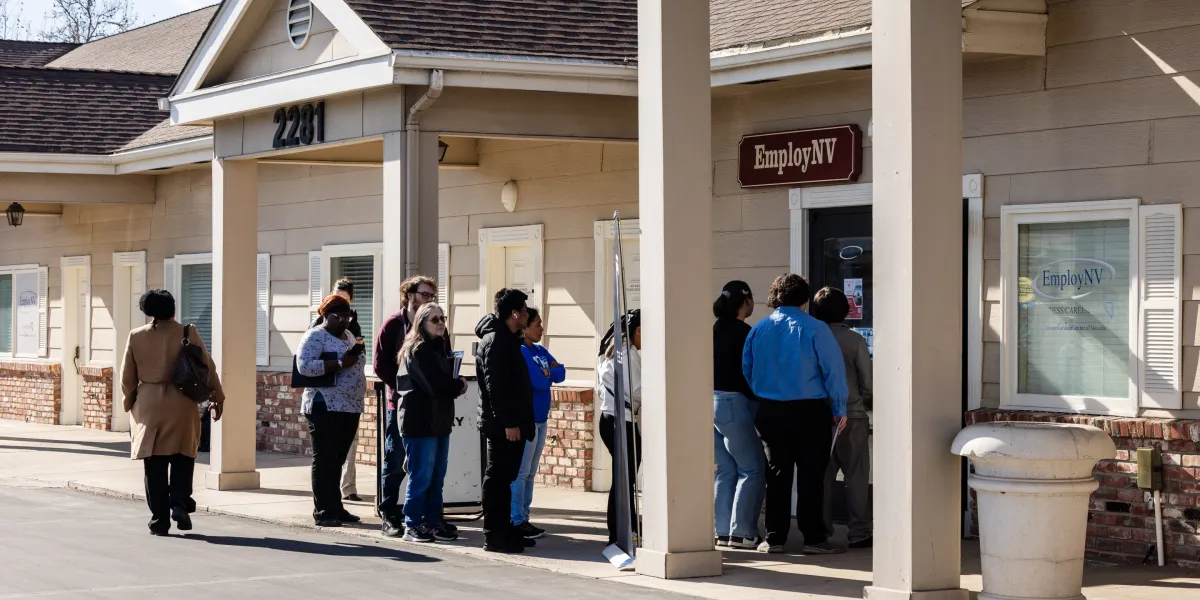
Many could turn to unemployment insurance benefits designed to tide workers over while they find new work, and Amodei has repeatedly called on the government to prepare for high unemployment.
But in 2022, nearly 75% of unemployed people didn’t even apply, according to the Bureau of Labor Statistics (BLS). Experts who spoke to Fortune say that number is still accurate today.