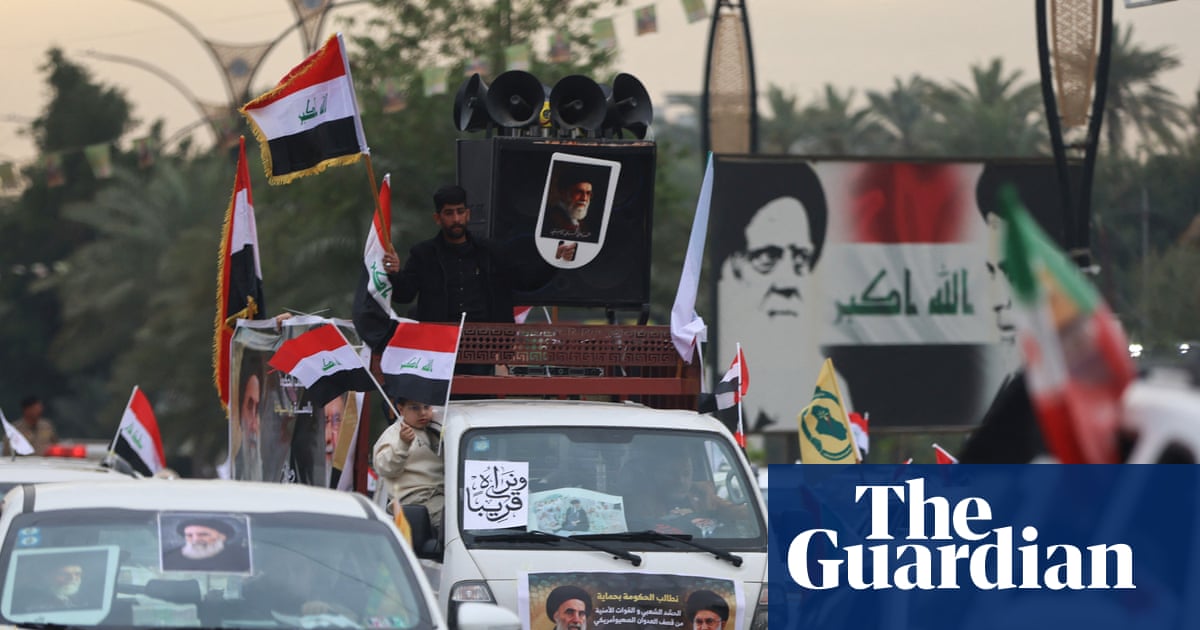
Now, consider Iraq more than 20 years after the U.S.-Iraq war. Iraq is still an authoritarian state governed by political parties with deep institutional ties to Tehran. Iranian-backed militias operate openly on Iraqi soil – some holding official positions within the Iraqi state.
The country the U.S. spent $2 trillion and 4,488 American lives to remake is, by any reasonable measure, within the sphere of Iran’s influence.
As an international security scholar specializing in nuclear security and alliance politics in the Middle East, I have tracked the pattern of U.S. military success across multiple cases.
But the military outcome and the political outcome are almost never the same thing, and the gap between them is where wars fail.
Two and a half millennia ago, Thucydides recorded the Athenian empire at its most confident in his “History of the Peloponnesian War”: “The strong do what they can and the weak suffer what they must.” Athens then destroyed Melos and launched the Sicily Expedition with overwhelming force and no coherent theory of governance for what came next.