The 50 American individuals and couples who gave or pledged the most to charity in 2025 committed US$22.4 billion to foundations, universities, hospitals and more. That total was 35% above an inflation-adjusted $16.6 billion in 2024, according to the Chronicle of Philanthropy’s latest annual tally of these donations.
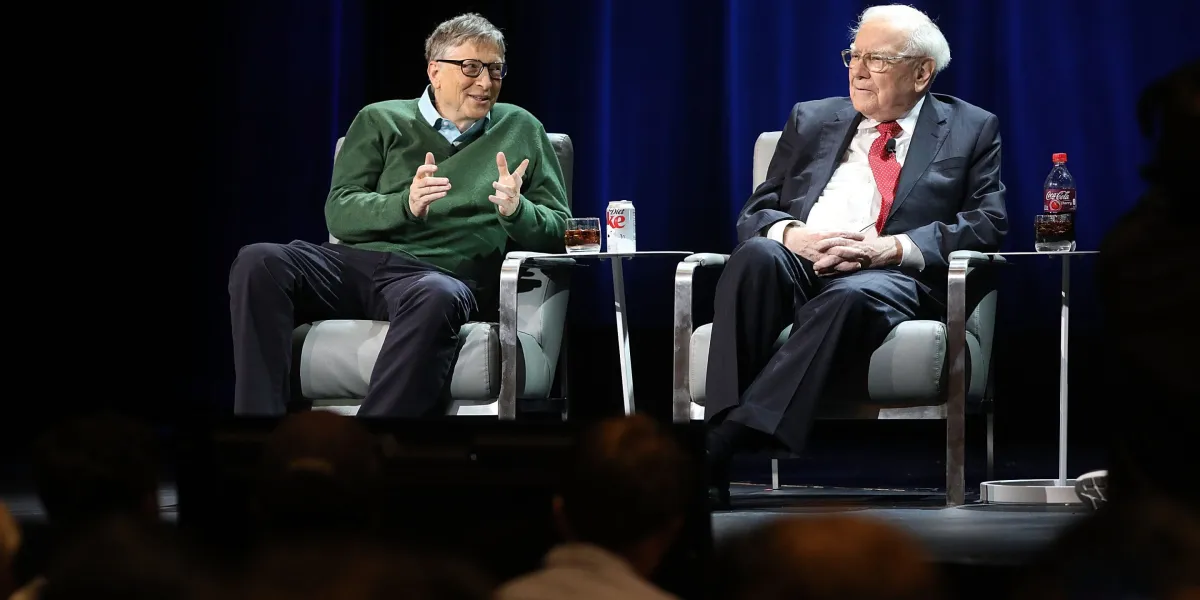
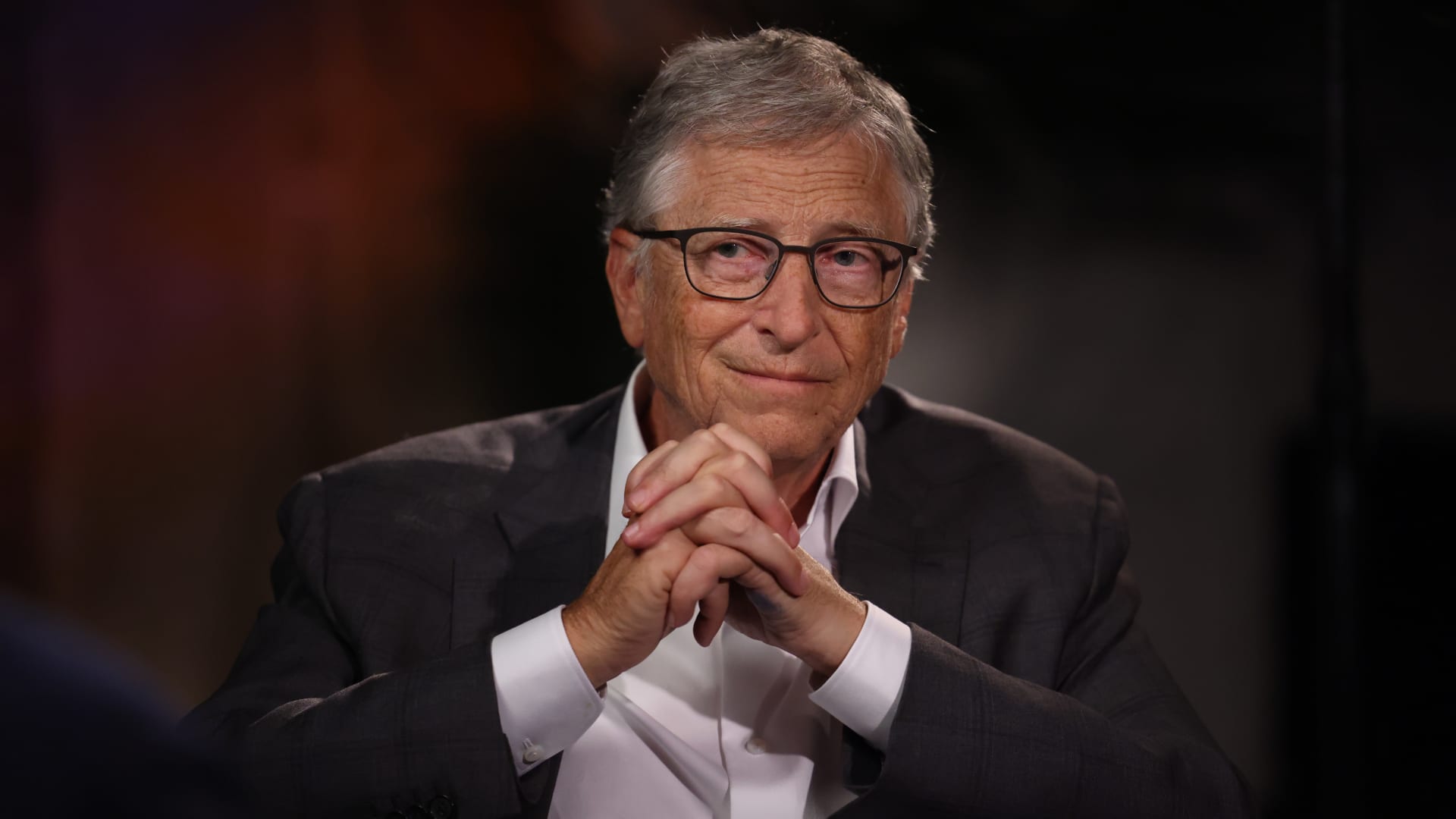
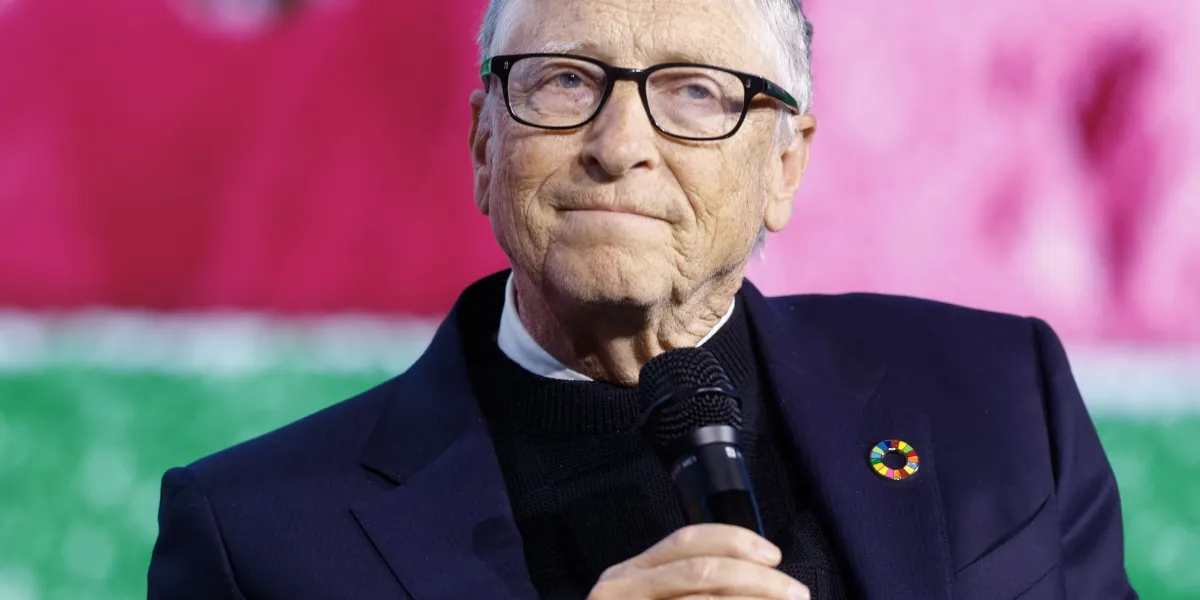
Media entrepreneur and former New York Mayor Mike Bloomberg led the Chronicle’s Philanthropy 50 list, followed by Microsoft co-founders Bill Gates and Paul Allen. Allen died in 2018, but his estate is still being settled.
The Conversation U.S. asked David Campbell, Lindsey McDougle and Hans Peter Schmitz, three scholars of philanthropy and nonprofits, to assess the significance of these gifts and to consider what they indicate about the state of charitable giving in the United States.
What trends stand out overall?
Schmitz: Higher education, hospitals, medical research, foundations and donor-advised funds – which serve as savings accounts reserved for charitable giving – drew the biggest gifts in 2025. The education and medical fields are a perennial favorite of high-dollar donors. To a degree, these preferences for supporting education and health were first expressed by Andrew Carnegie in his 1889 essay, “The Gospel of Wealth,” in which he famously claimed that “the man who dies rich dies disgraced.”