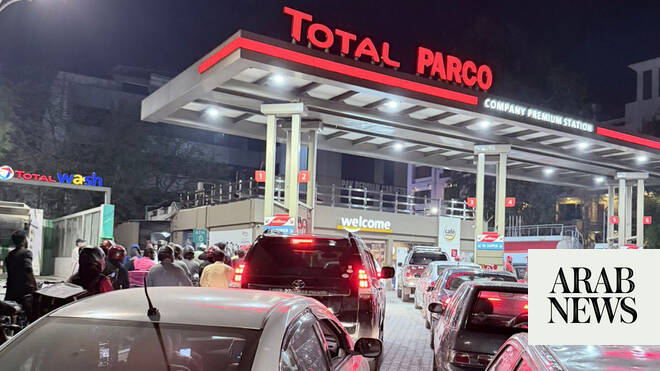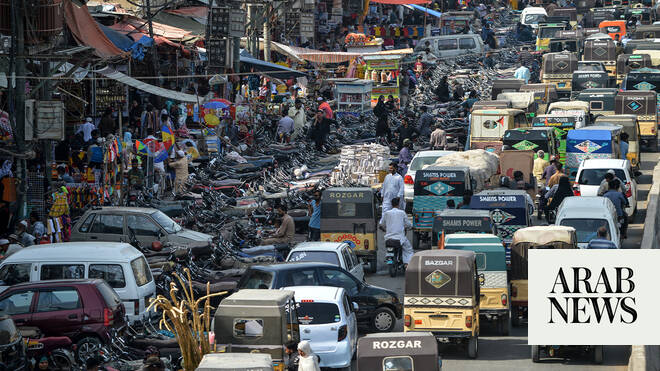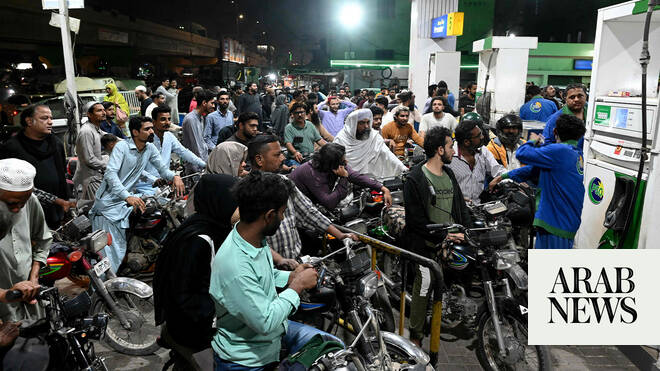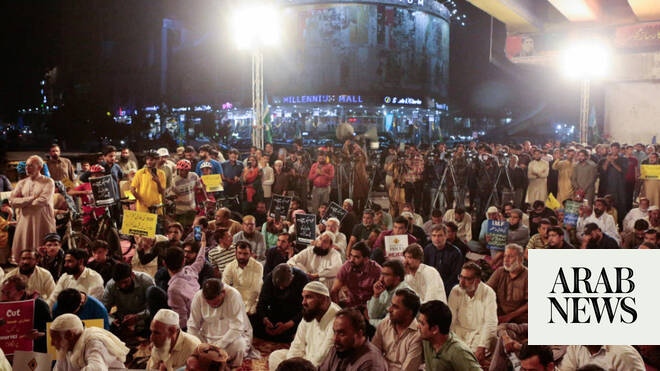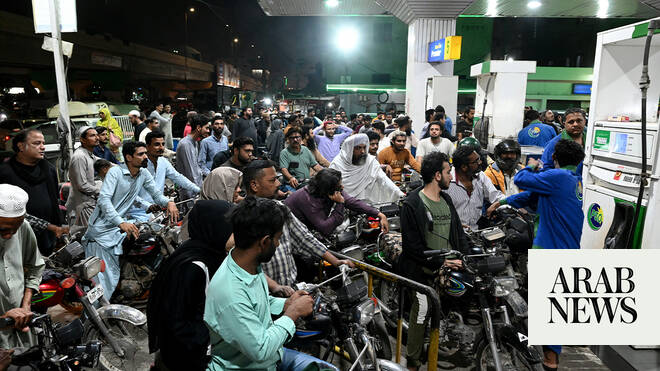
ISLAMABAD: When Muhammad Ibraheem started his workday earlier this week, he didn’t head out to meet clients across Islamabad. Instead, he opened his laptop for a remote meeting, one of several adjustments he has made since Pakistan announced a record increase in fuel prices.
The South Asian nation of more than 240 million people is struggling to absorb a 55-rupee-per-liter jump in petrol prices, the largest single increase in the country’s history. The hike, announced last week, pushed petrol to a record 321.17 rupees ($1.15) per liter, driving up transport costs and forcing many Pakistanis to rethink daily routines.
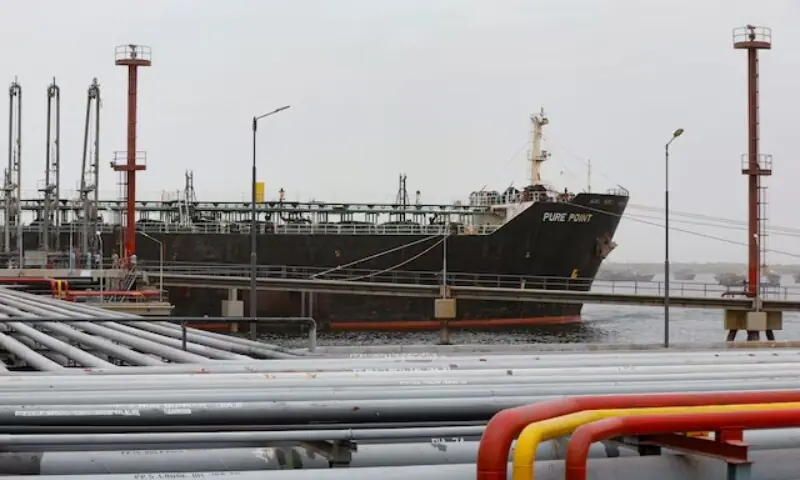
The price shock came after global crude briefly surged above $110 per barrel amid escalating war in the Middle East involving the United States, Israel and Iran, raising fears that disruptions to the Strait of Hormuz, a transit route for roughly one-fifth of the world’s oil supply, could choke global energy flows.
Oil prices have since retreated from those highs as markets weigh the possibility of de-escalation, but volatility remains high and governments dependent on imported fuel, including Pakistan, are bracing for further swings.
“The sudden increase in petrol prices is like a bomb being dropped on the public,” Ibraheem, the 37-year-old founder of a digital marketing firm, Technology Village, told Arab News. “It has shaken the middle class completely.”