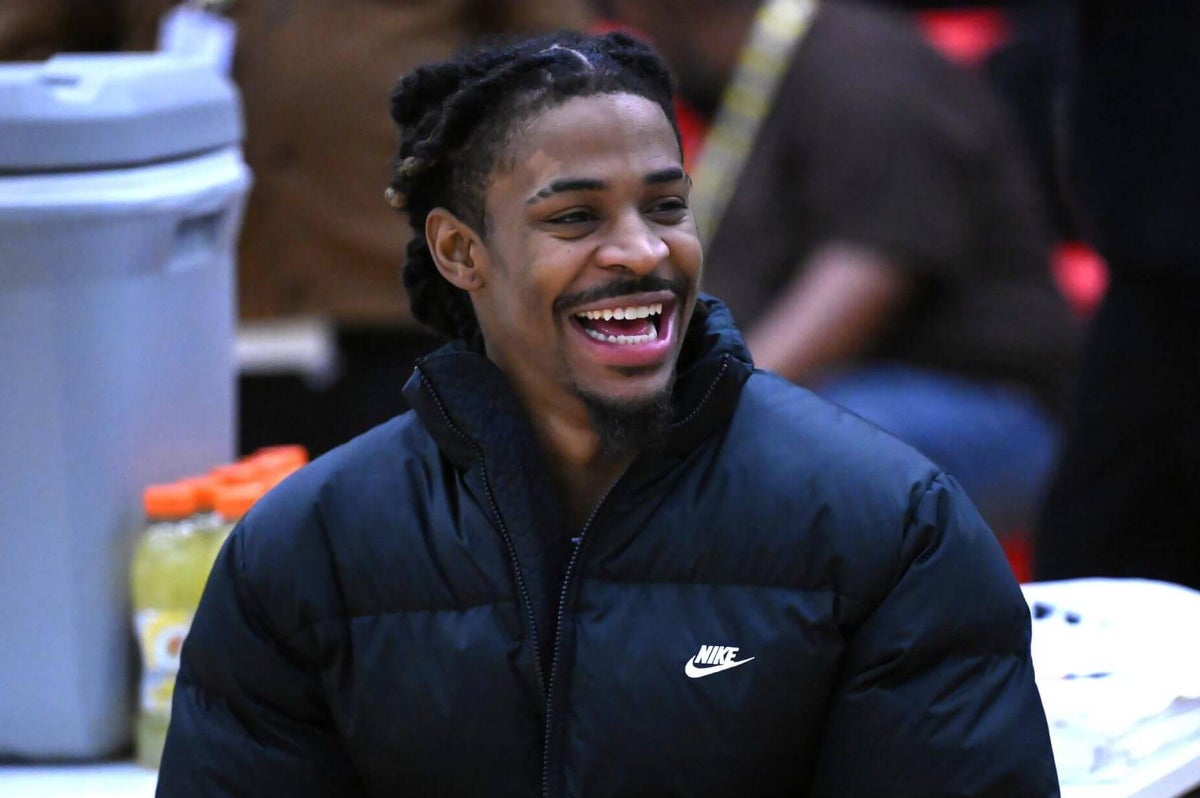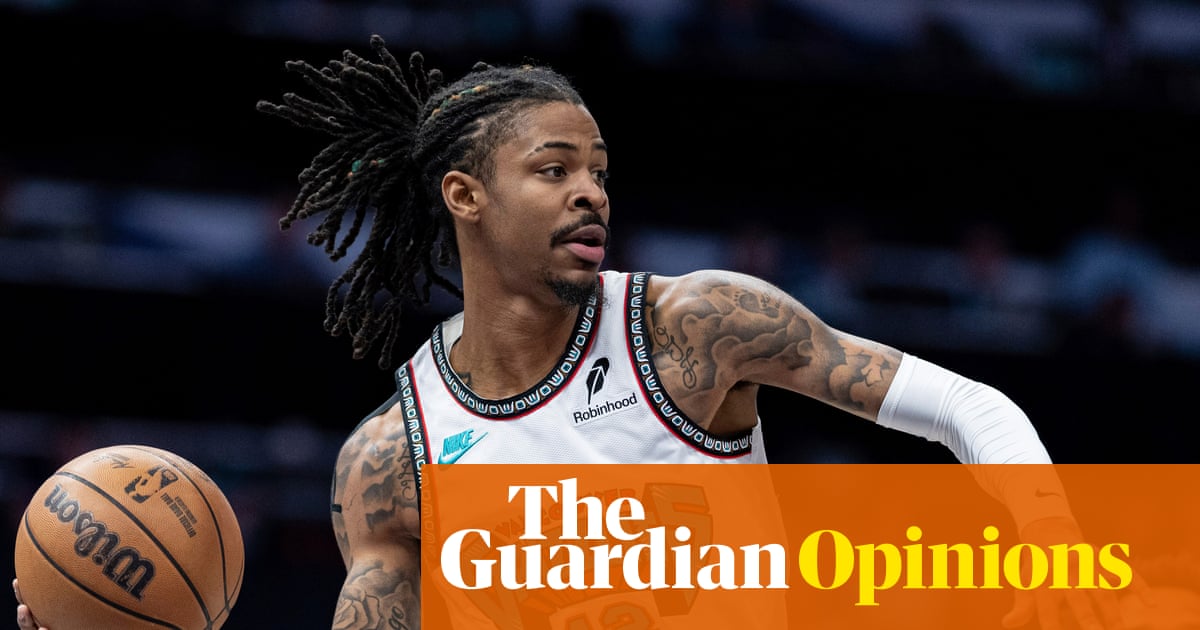
When Ja Morant brandished a gun on social media the league knew how to act. But what happens when complex questions about team ownership arise?
L
ately, I’ve been thinking about the job I had two decades ago, when I was a janitor at a machine shop in Fort Worth, Texas. Even as a hungover 20-year-old, my internal monologue would debate the ethics of the parts I packaged. We produced tiny components for Halliburton and Lockheed Martin. Slivers of aluminum machined to tolerances so fine you could miss their imperfections with the naked eye.
Beneath the fluorescent hum of the shipping and handling department, I’d rub a widget between my fingers and imagine the journey it would take: lifted from a Texan warehouse into the Middle Eastern theatre where our nation’s wars burned. Small enough to disappear in my palm, large enough to disappear into someone else’s rubble. Which is why I keep thinking about those widgets as the NBA tries to regulate morality.
In 2023, the league suspended Ja Morant after he brandished a firearm on social media. The punishment was swift, framed as protection of the NBA’s image. It was easy to have an opinion. Visible misconduct invites visible discipline. Morant’s transgression was on camera, and not the first time he had crossed the line. The NBA, a corporation, was there to smack his hand. It had to. His gun-toting spectacle was bad for business. Yet the league has said little about the far murkier entanglements of its billionaire ownership class.