First he came for Berlin’s film festival. Now it’s books. Wolfram Weimer seems to be on a mission to curb progressive thinking
T
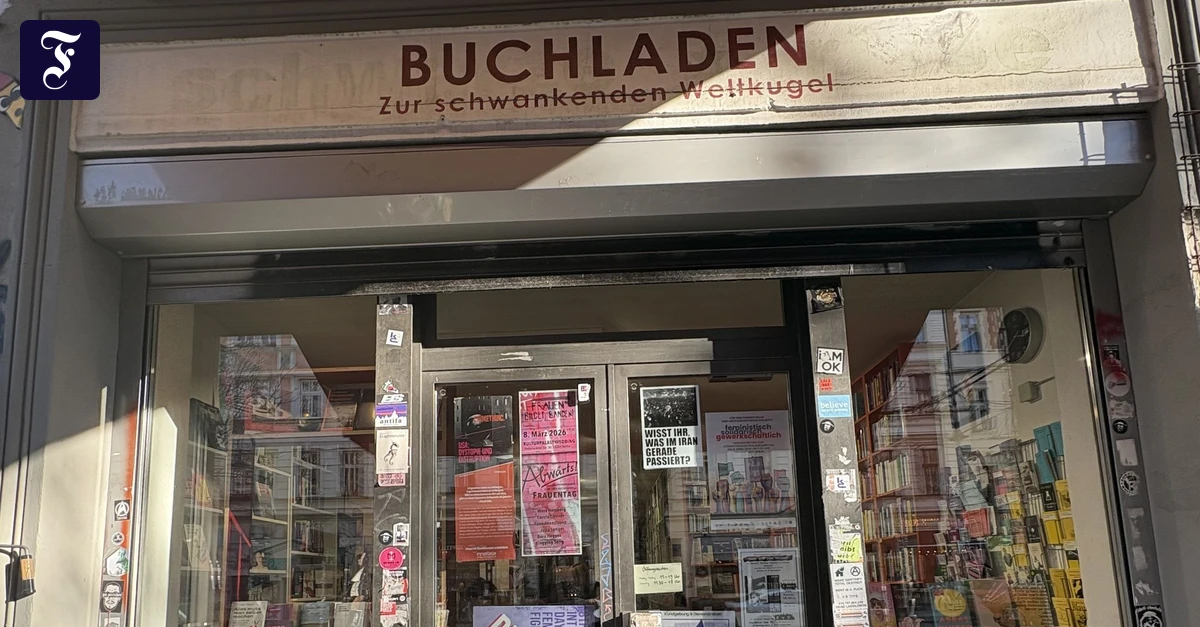
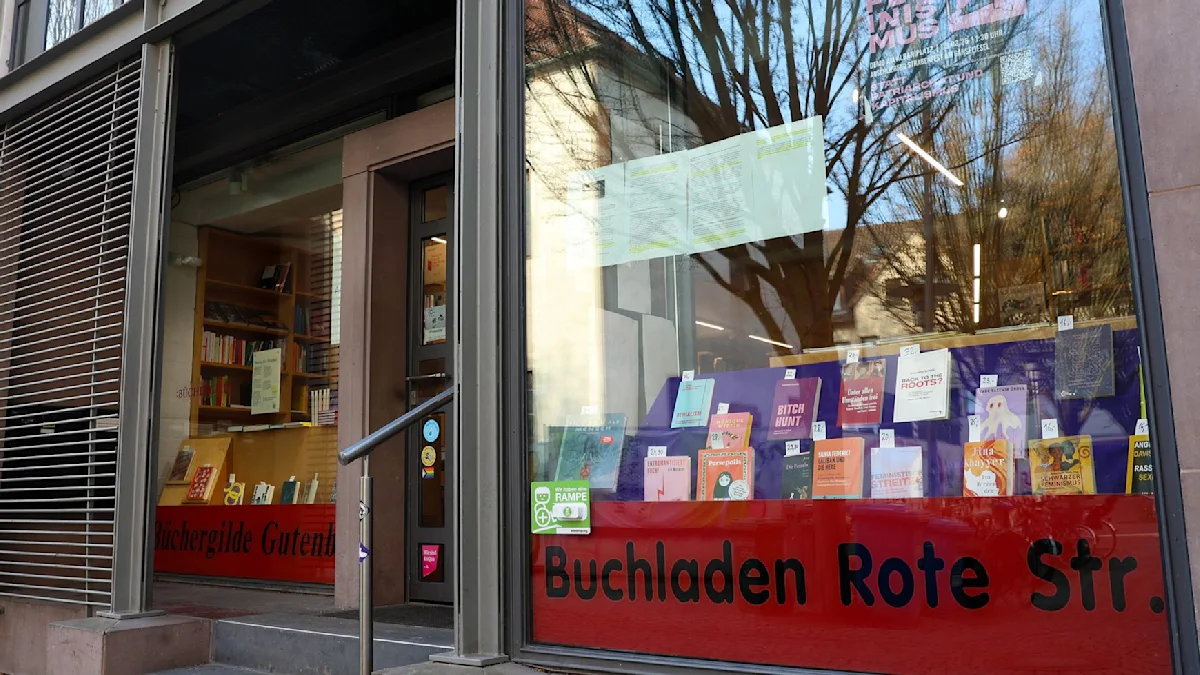
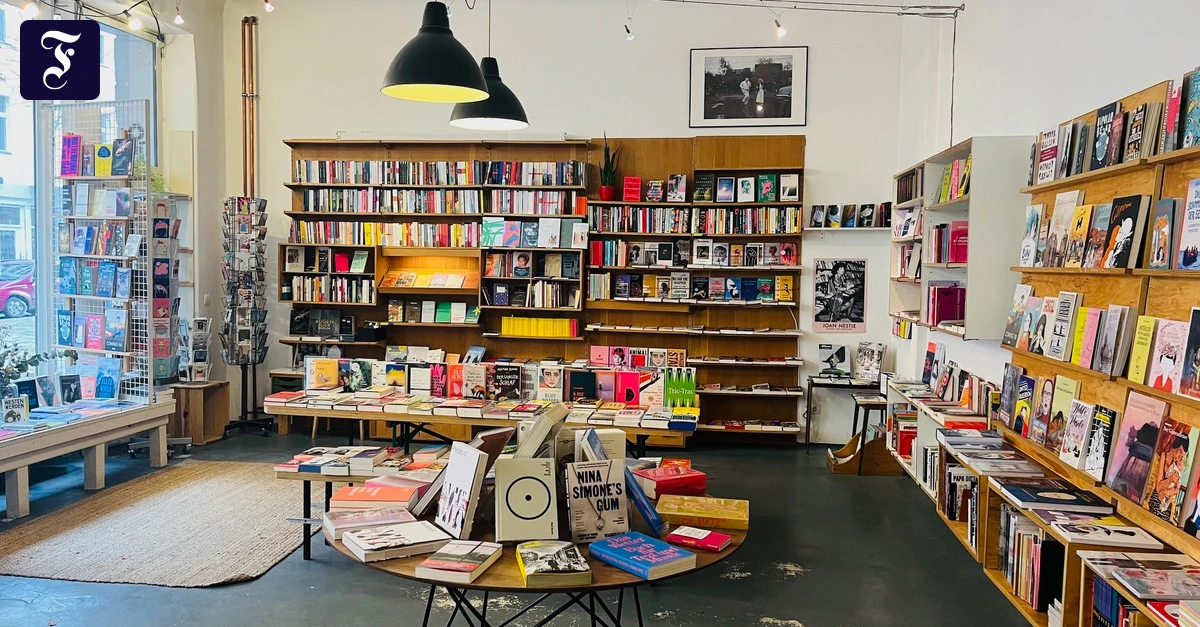
here is a particular kind of danger that smells like paper and dust. You find it in independent bookshops. Those with uneven wooden floors and handwritten staff recommendations, where someone has shelved Audre Lorde next to Karl Marx and a debut novelist from Neukölln. Places where no algorithm is trying to guess who you are before you have the chance to change your mind.
I walk in for a novel and walk out with a theory of the state, a pamphlet on housing struggles, a Palestinian poet I had never heard of. No “for you” page in an online store would have suggested it. The bookseller did. Independent bookshops are dangerous because they interrupt us. They do not optimise our curiosity. They derail it. Is that the reason why Germany’s culture commissioner, Wolfram Weimer, is now consulting the domestic intelligence agency before approving funds to bookshops?
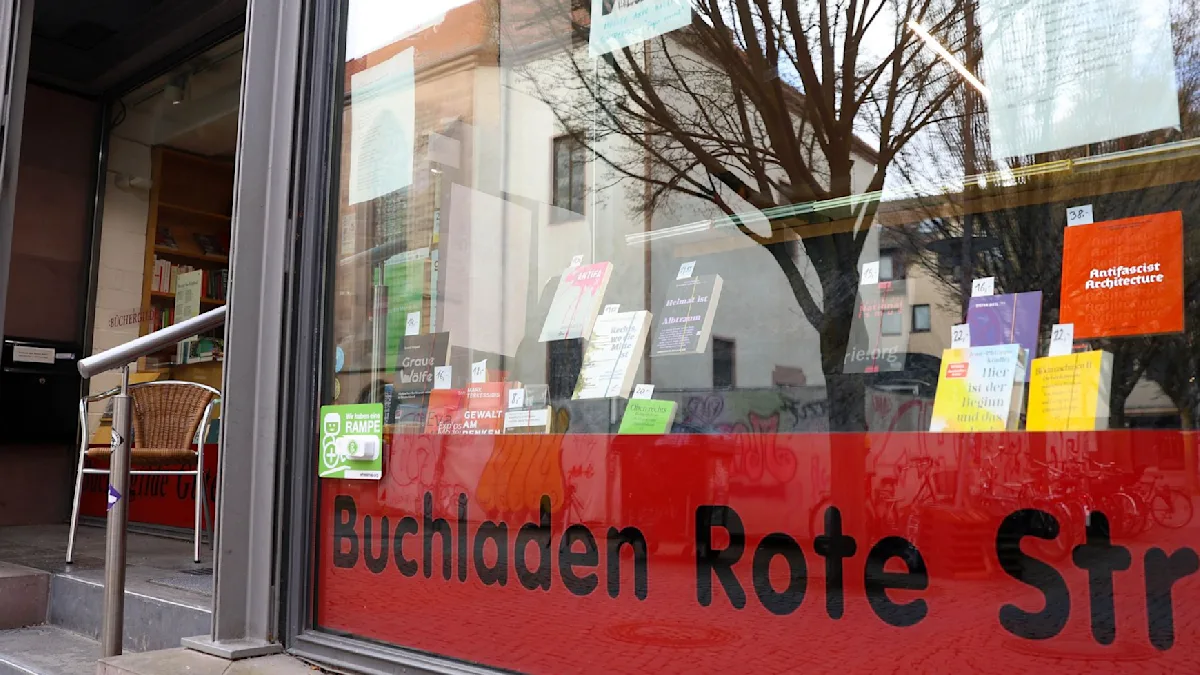
Every year, the German Bookshop prize, awarded on behalf of the federal government’s commissioner for culture and the media, serves as a financial injection for more than 100 independent, owner-managed bookshops all over Germany. An independent jury selects the winners, based on criteria such as carefully curated literary selection and cultural events. Usually, the public doesn’t take much notice of the prize; its weight on the public purse is barely significant. But for small bookshops operating on narrow margins, the prize money of between €7,000 and €25,000 makes a tangible difference.