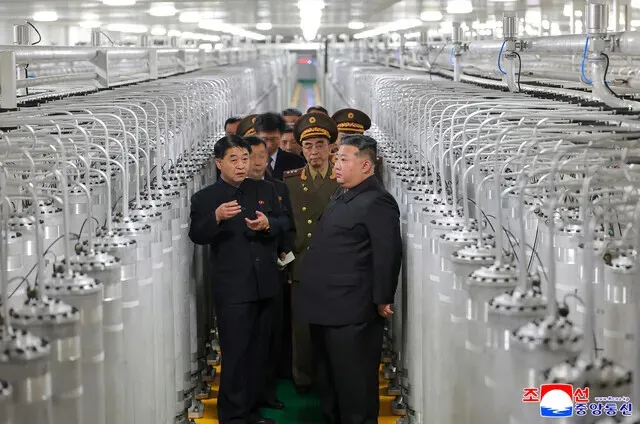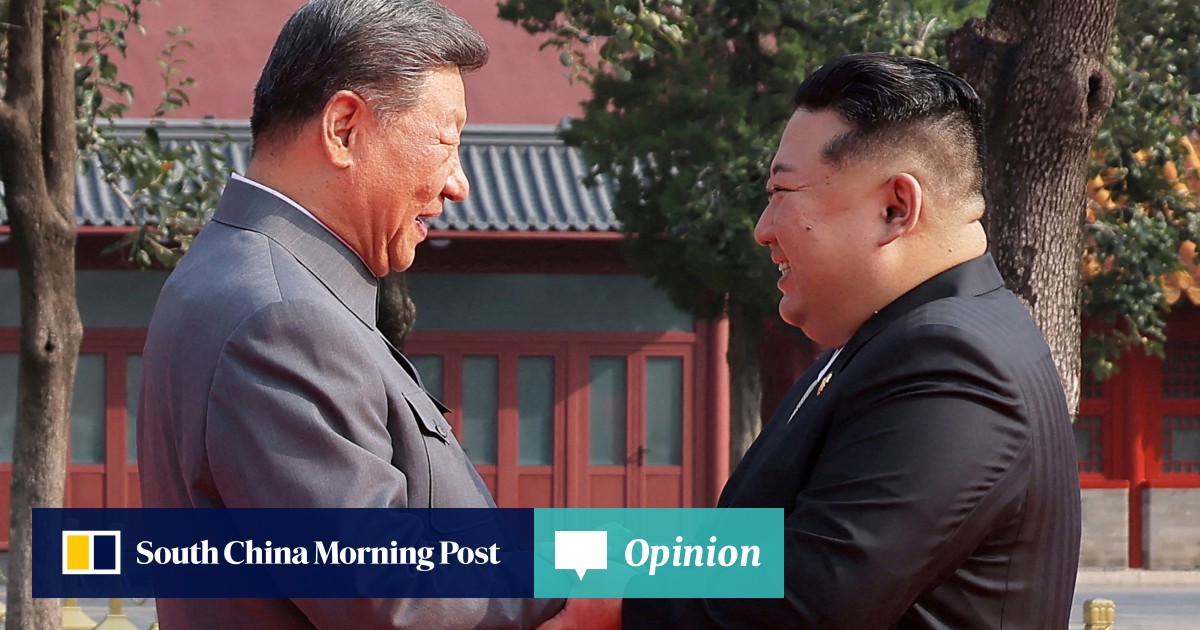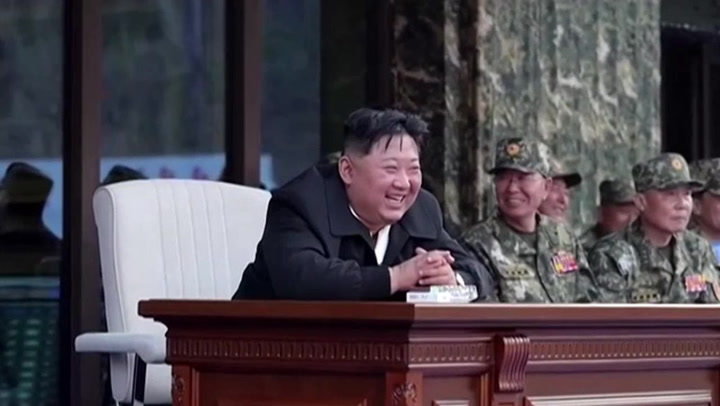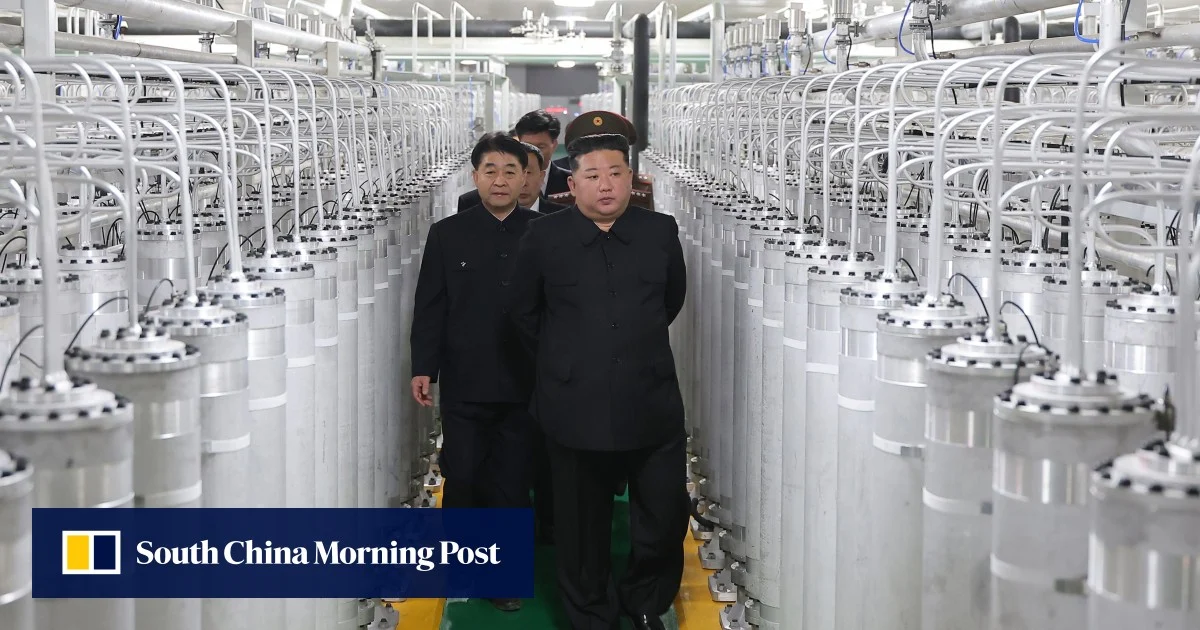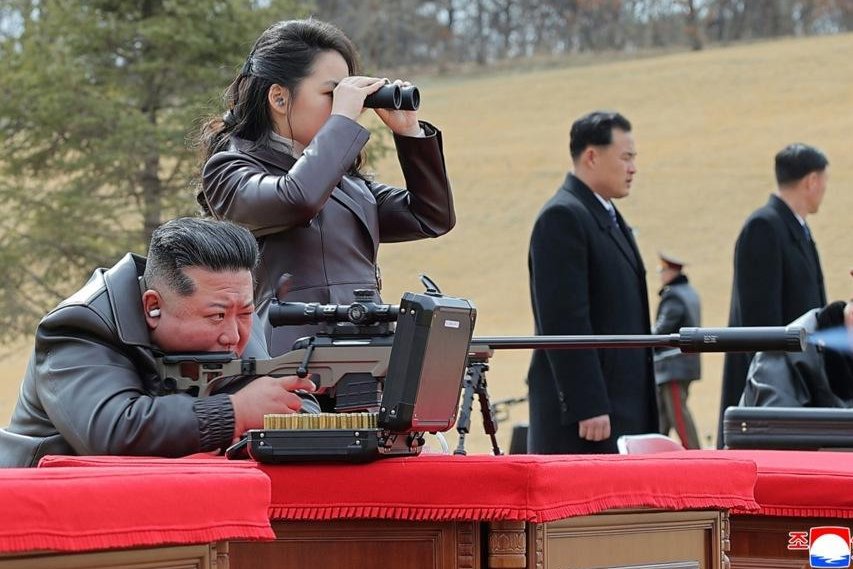
March 9 (UPI) -- On March 1, the day after U.S. airstrikes eliminated Iranian Supreme Leader Ali Khamenei, North Korean state media broadcast images of Kim Jong Un touring the Sangwon Cement Complex.
Cigarette dangling from his lips, he appeared relaxed, issuing directives with studied nonchalance. But, composure performed in the face of catastrophe is not strength. It is the desperate bravado of a man gripped by a fear he cannot afford to show.
The North Korean Foreign Ministry condemned the U.S. strike on Khamenei as "hegemonic gangsterism." Then, in virtually the same breath, added that it had fallen "within the predictable range of events."
A regime that genuinely viewed the death of an allied leader as predictable would feel no need to say so. That disclaimer was a confession -- an admission that Kim Jong Un could be next. What followed in the next 72 hours speaks more honestly than any diplomatic statement.
The bunker imperative