Mercedes’ flying start lives up to promise, but new regulations receive scathing reviews
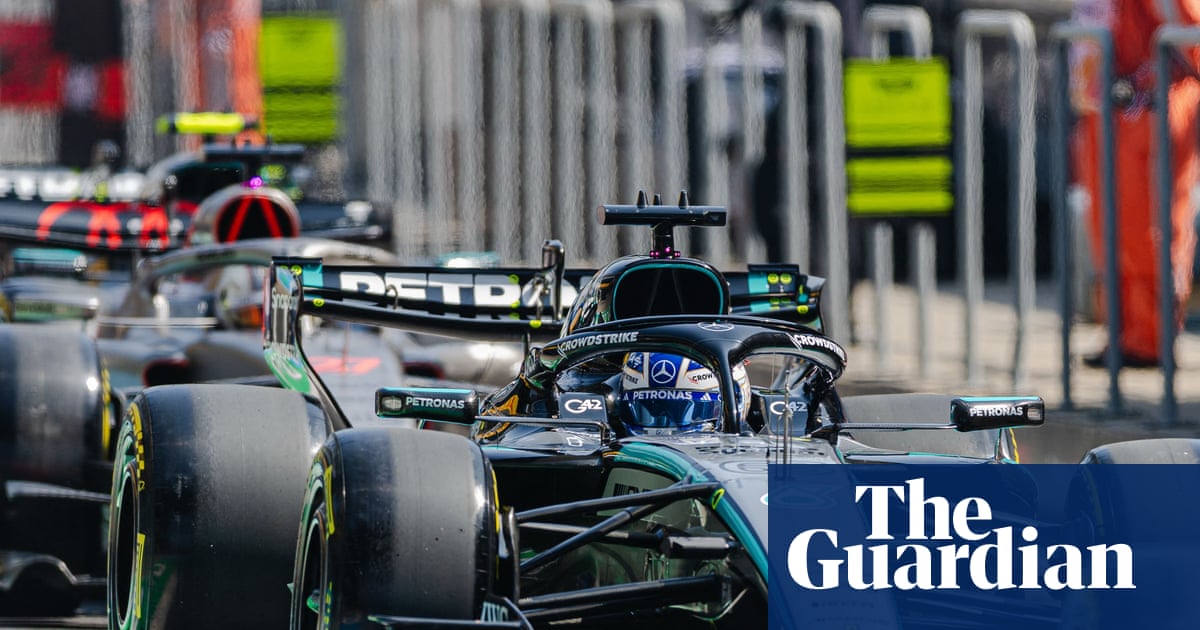
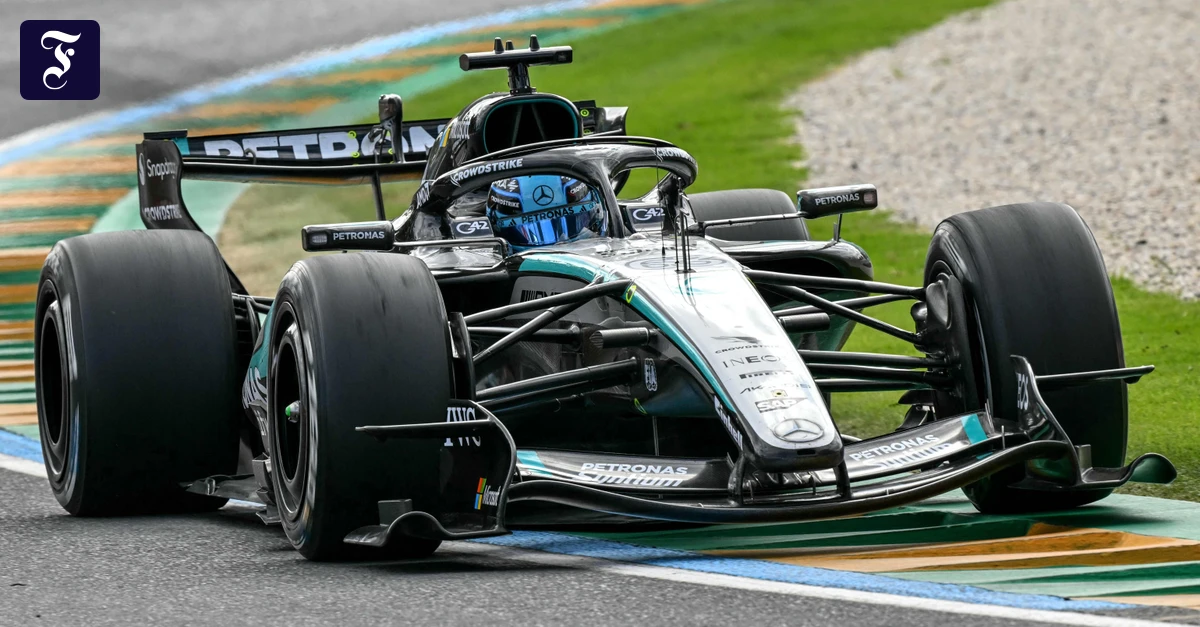
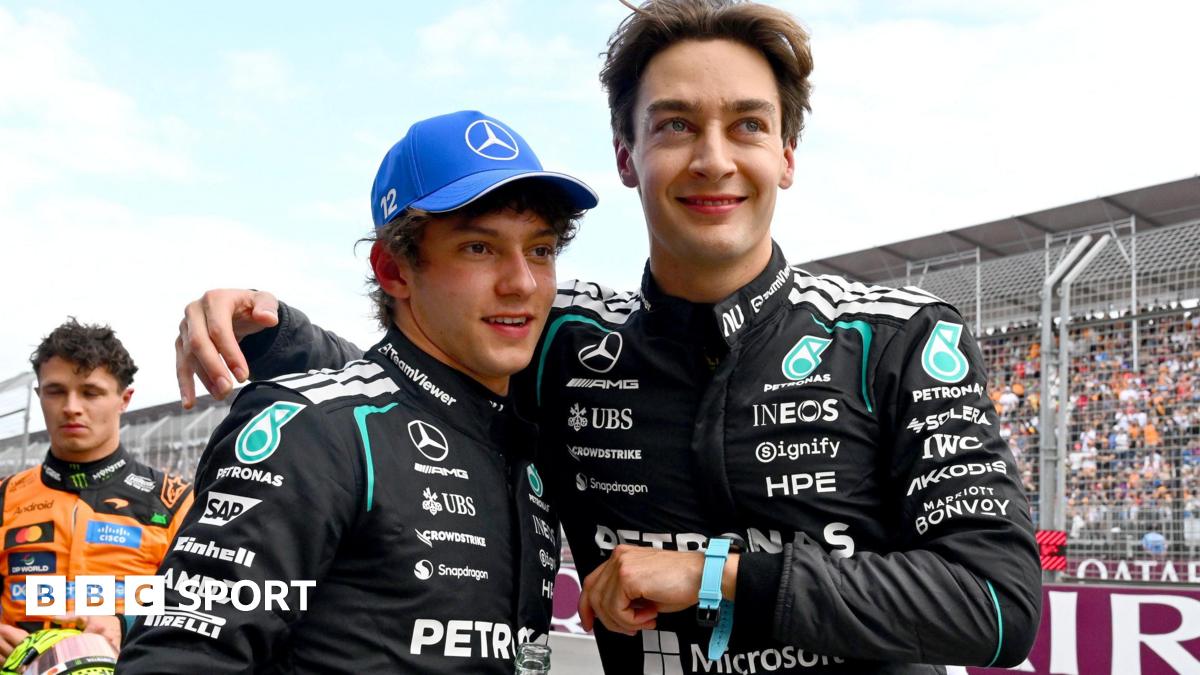
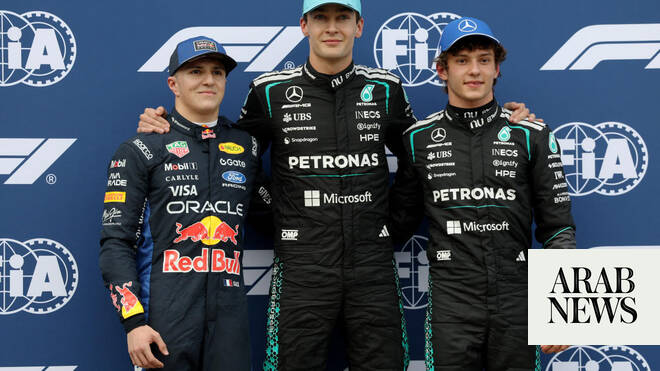
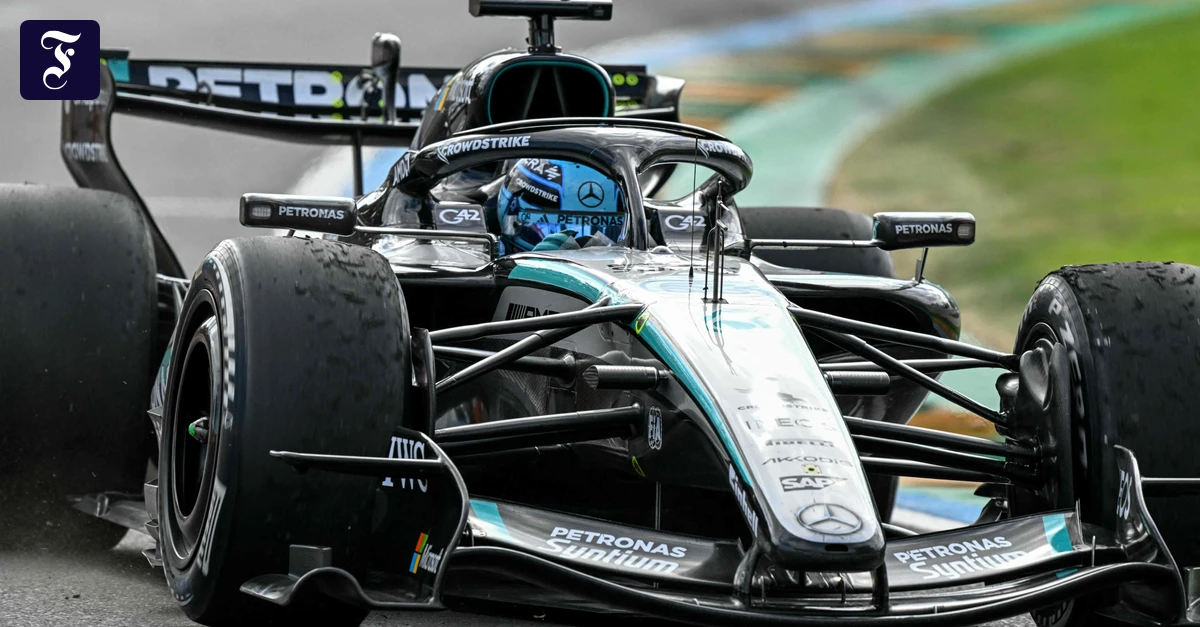
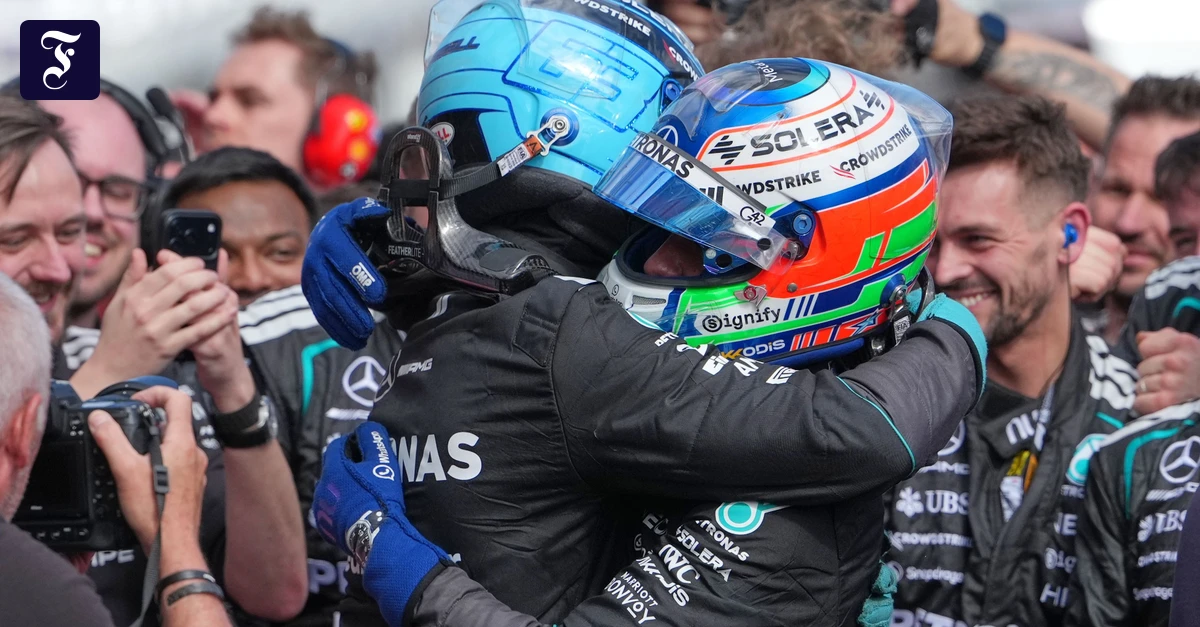
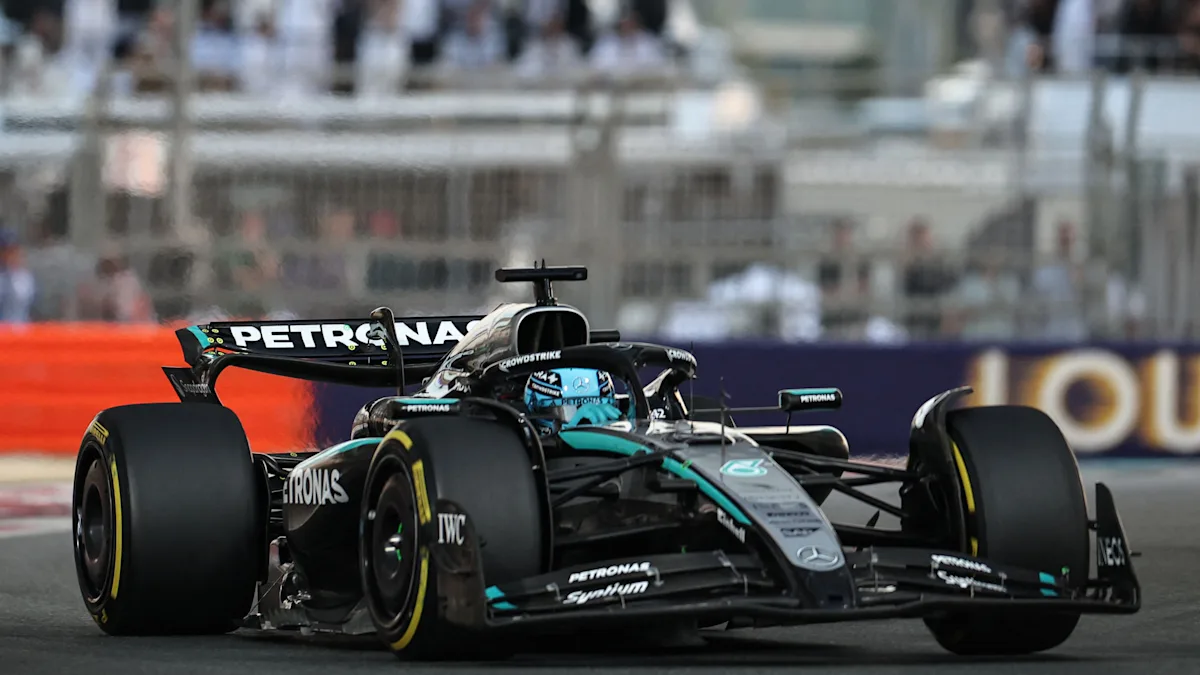
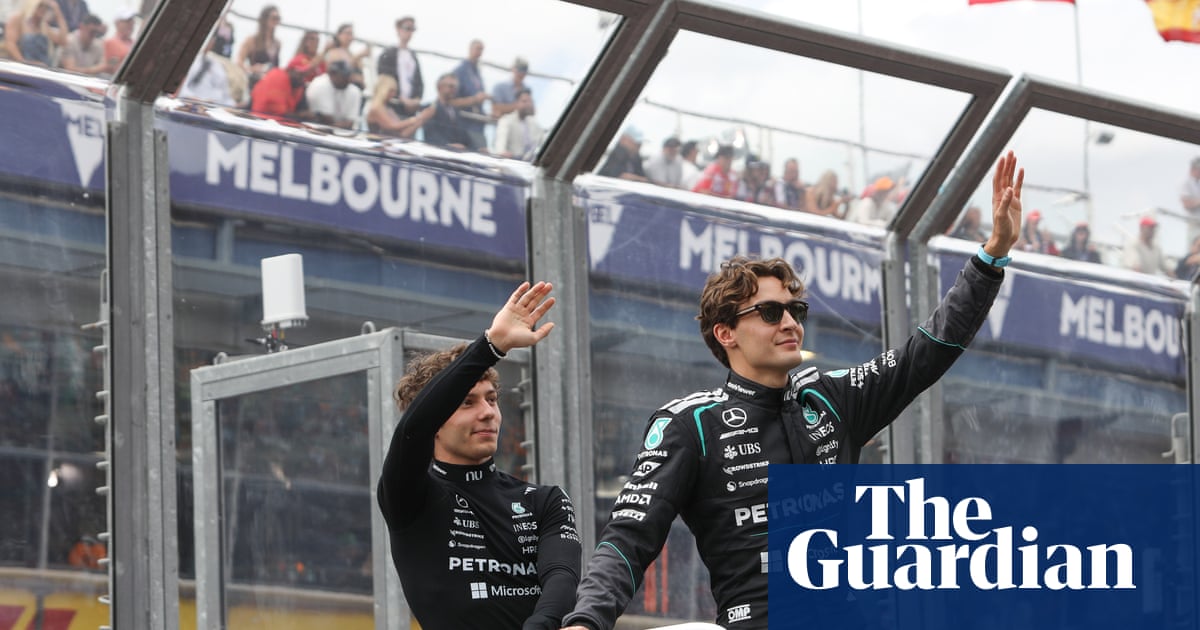
The pre-season favourites had done their level best to play down their expected advantage in the buildup to the Australian Grand Prix, but it was impossible to hide. A dominant one-two by the best part of a second for George Russell and Kimi Antonelli in qualifying was followed by a similarly assured one-two finish in the race.
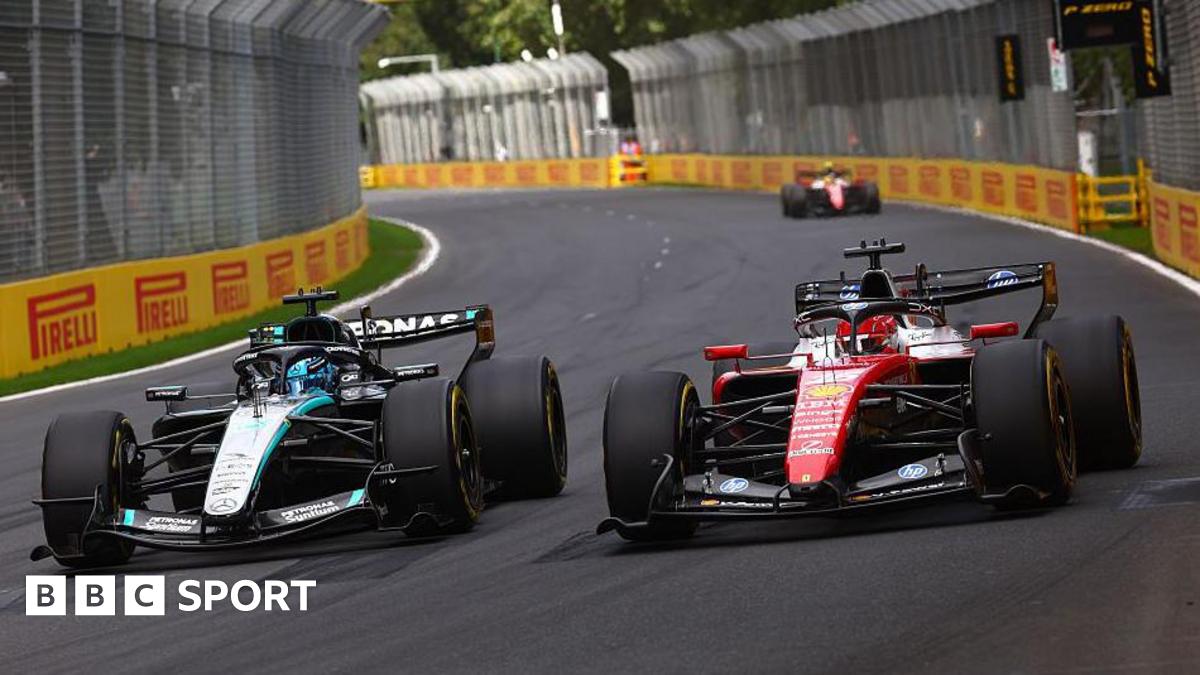
Russell had to fight in the opening phases against Ferrari’s Charles Leclerc, but once he had been extricated from that battle and could return to what engineers consider the “optimal” lap according to the new diktats of power deployment and recharging he had as much as 0.3sec to 0.4 on Ferrari. At which point the Merc was gone.
For the final third, Russell and Antonelli were not racing one another and had eased off, simply holding the gap to Leclerc at 15 seconds, indicating they have even more in the bank. They were perhaps conscious that putting a huge gap on the field would reinvigorate the debate over their claimed engine compression ratio advantage. Mercedes are going to be very hard to beat.
Lewis Hamilton and Leclerc made blisteringly quick starts, as they had demonstrated in testing, and in the opening part of the season this may well be their best shot at taking the fight to Mercedes. They were let down by a costly failure to react quickly to a virtual safety car, but in pace terms the Scuderia have made a strong start.