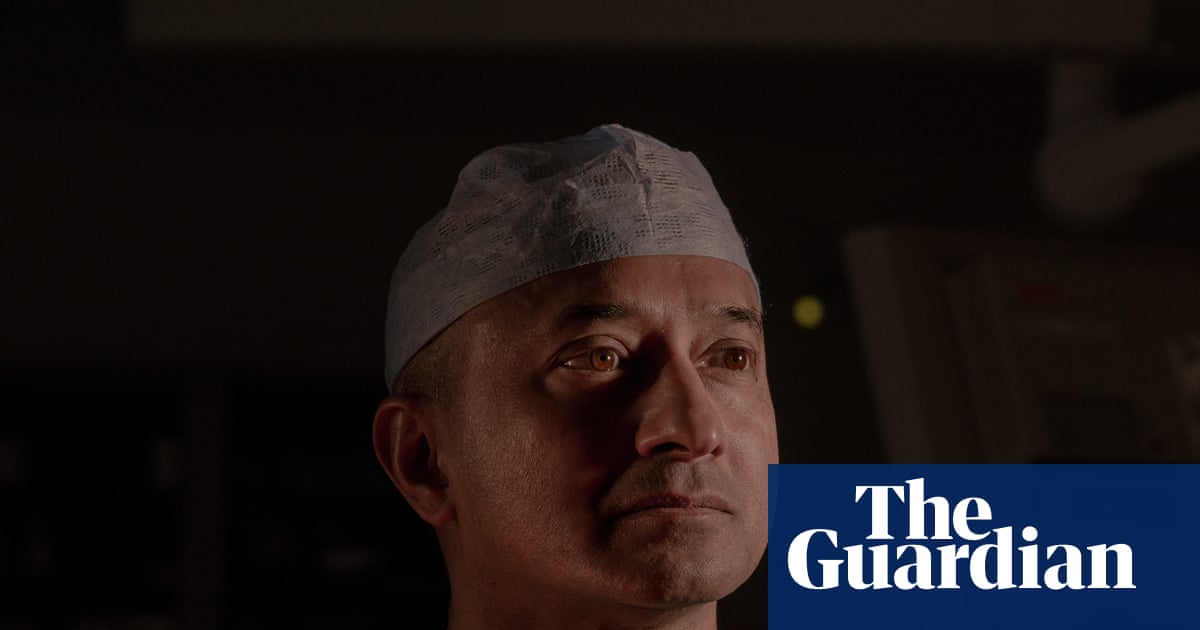
After operating on victims of the Westminster attack in 2017 and visiting Ukraine and Gaza, Hettiaratchy has seen more horror than most can imagine – but he still believes in humanity, optimism and selflessness
O
n 22 March 2017, trauma surgeon Shehan Hettiaratchy was running end-of-term exams for his medical students when his phone buzzed. There had been a terror attack near the Houses of Parliament. Three men had driven into pedestrians on Westminster Bridge, then started stabbing people on the street. Within minutes, Hettiaratchy was in a car with a colleague and heading to St Mary’s hospital near Paddington, west London, where he is the lead surgeon. Victims injured in the attack were due to arrive.
Though Hettiaratchy and his team were used to treating patients with life-threatening injuries – on paper, he says, what they were facing was no different from “a busy Saturday night” – this felt different. There was “a collective fear that we’re under attack – there are people on the streets of London trying to kill our fellow Londoners”.
On the day itself (documented in the BBC series Hospital) Hettiaratchy was in charge and had to think practically and methodically: “This is patient A, patient B, patient C; what are the injuries, what needs to happen, what needs to go on?” Detaching yourself is “probably why you can stay locked in”, he thinks – and ultimately how you get the job done. That day, staff at St Mary’s treated 15 people who had been injured in the attack, including the perpetrator, Khalid Masood, who, later died, having been shot by a police officer. While all of the other patients treated at St Mary’s survived, five of Masood’s other victims died.