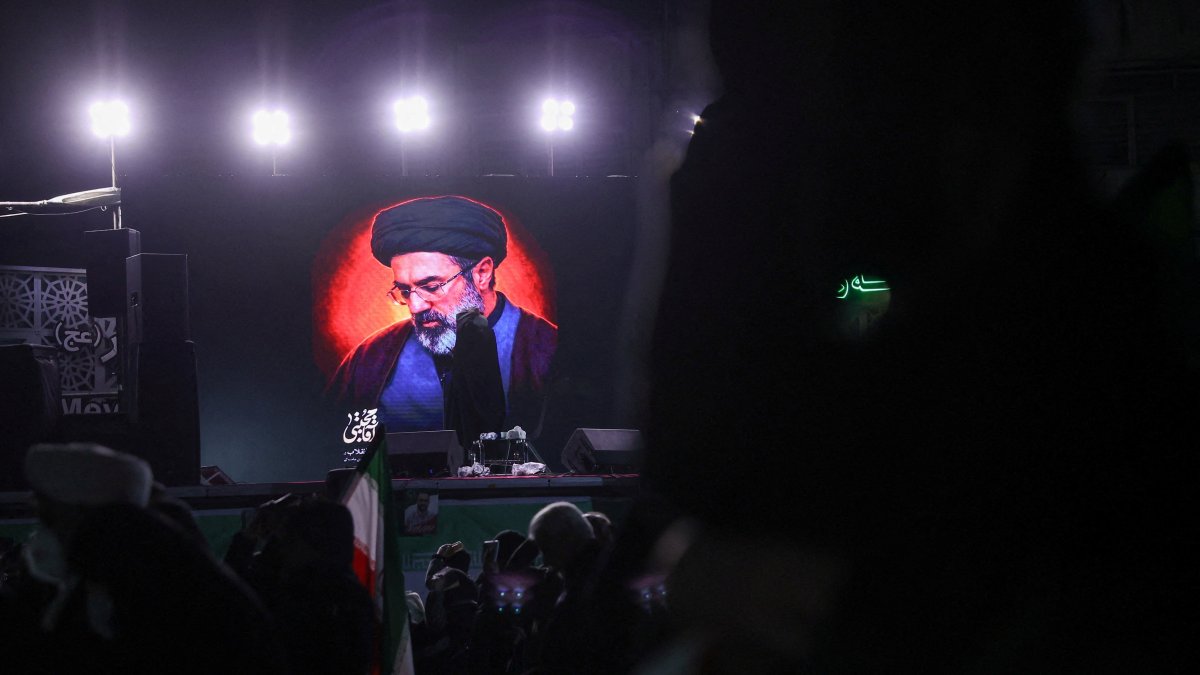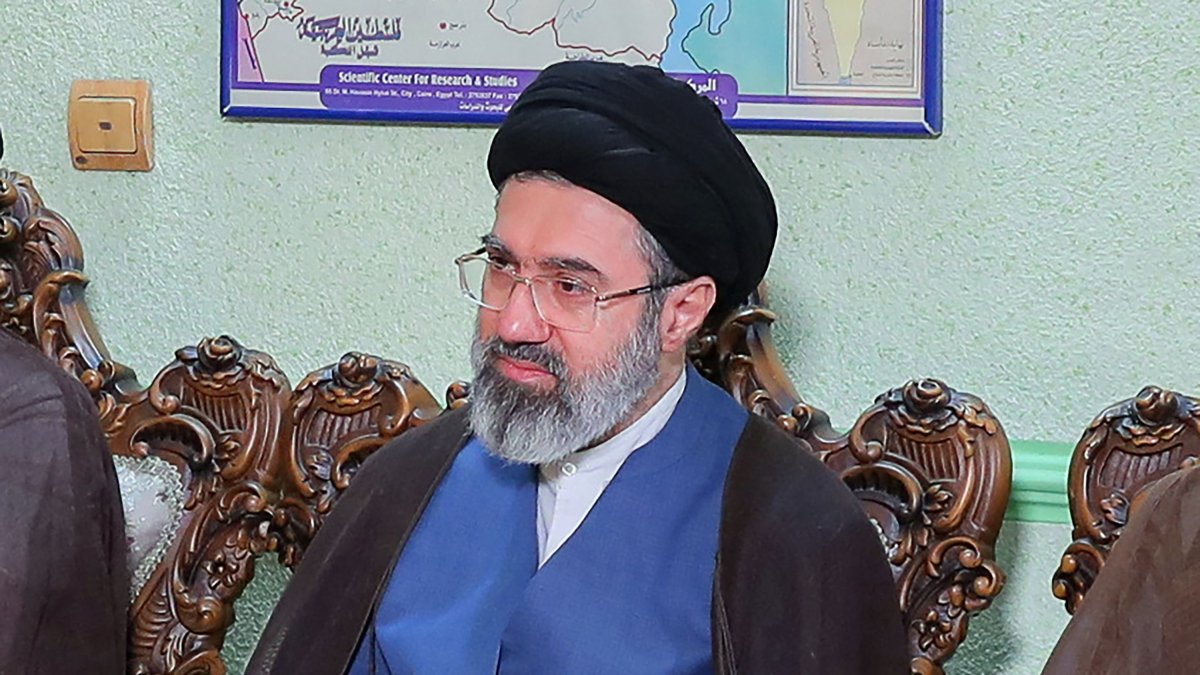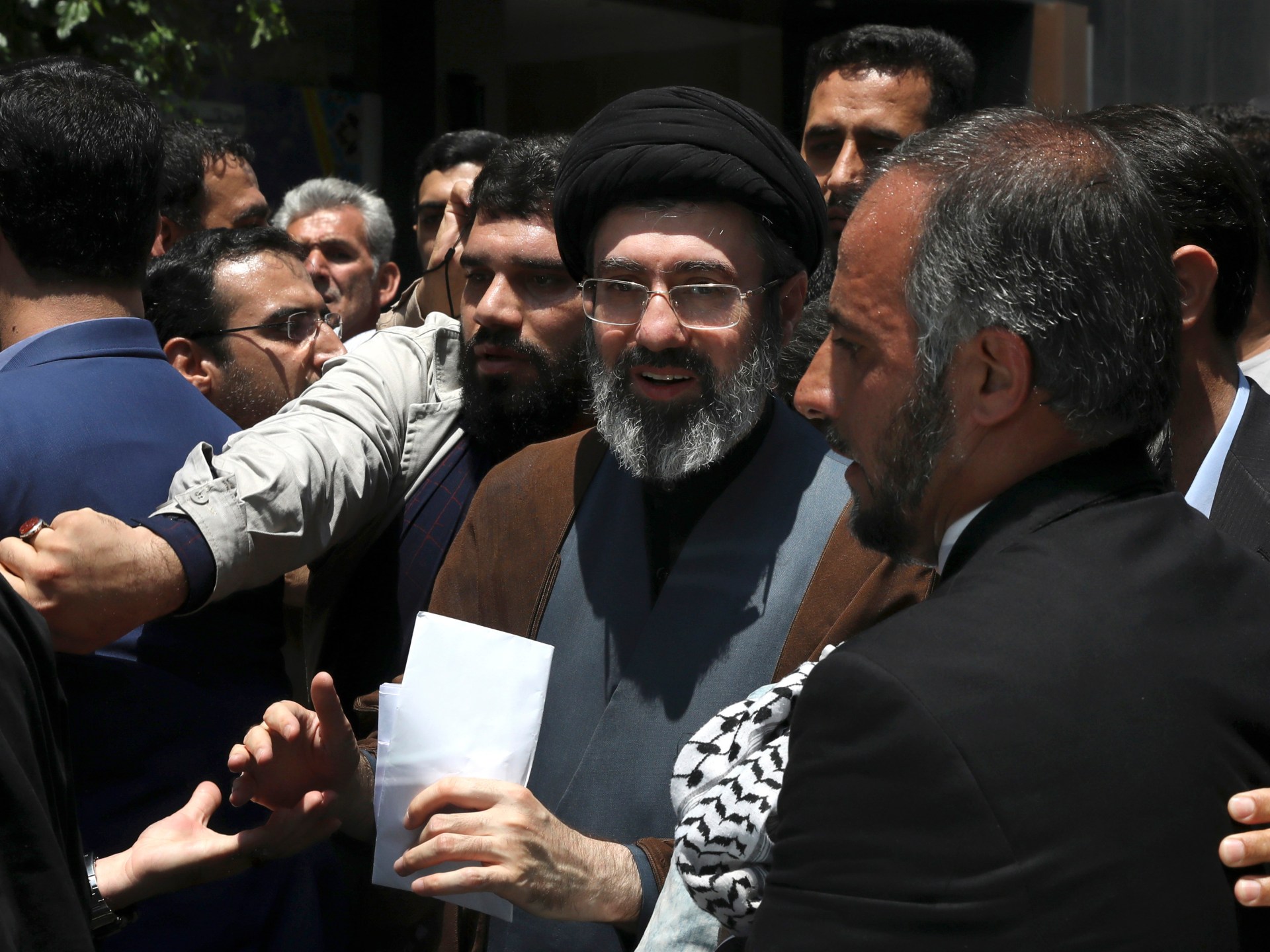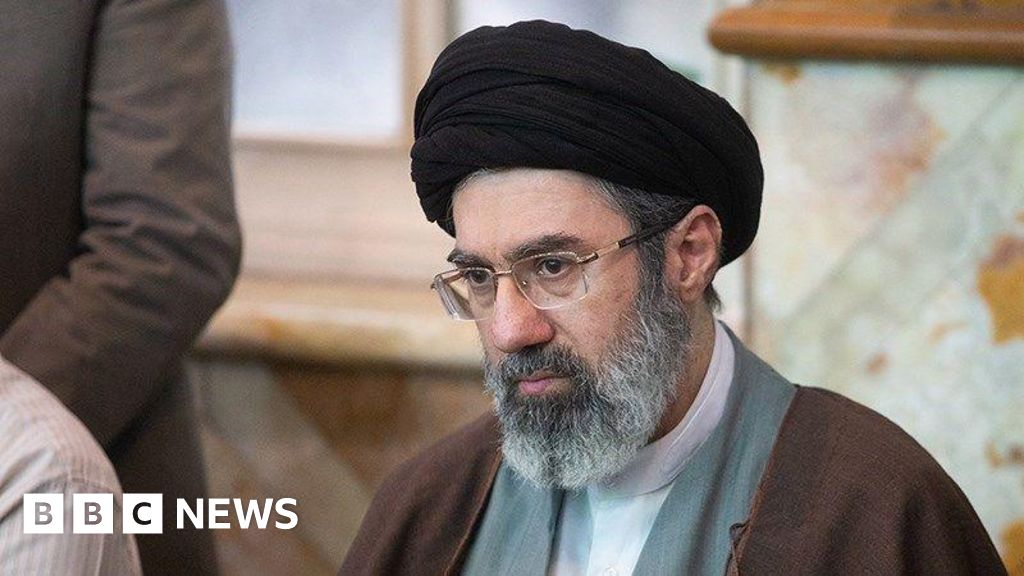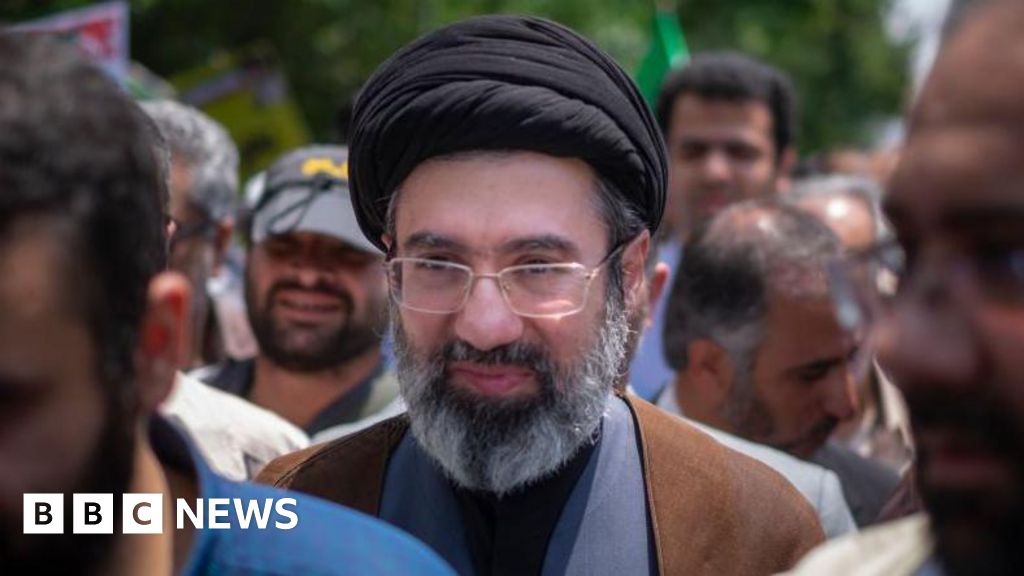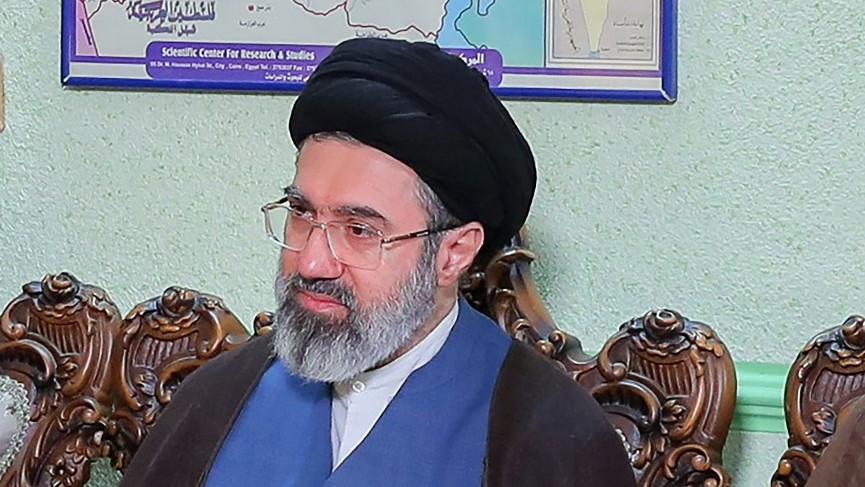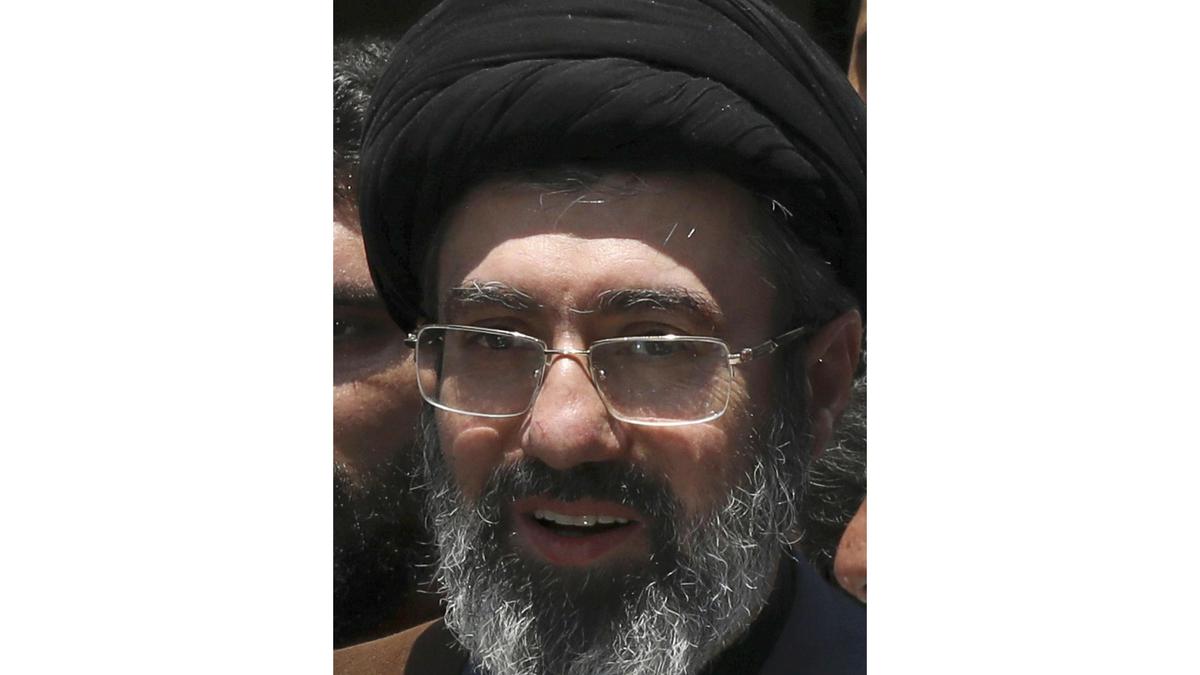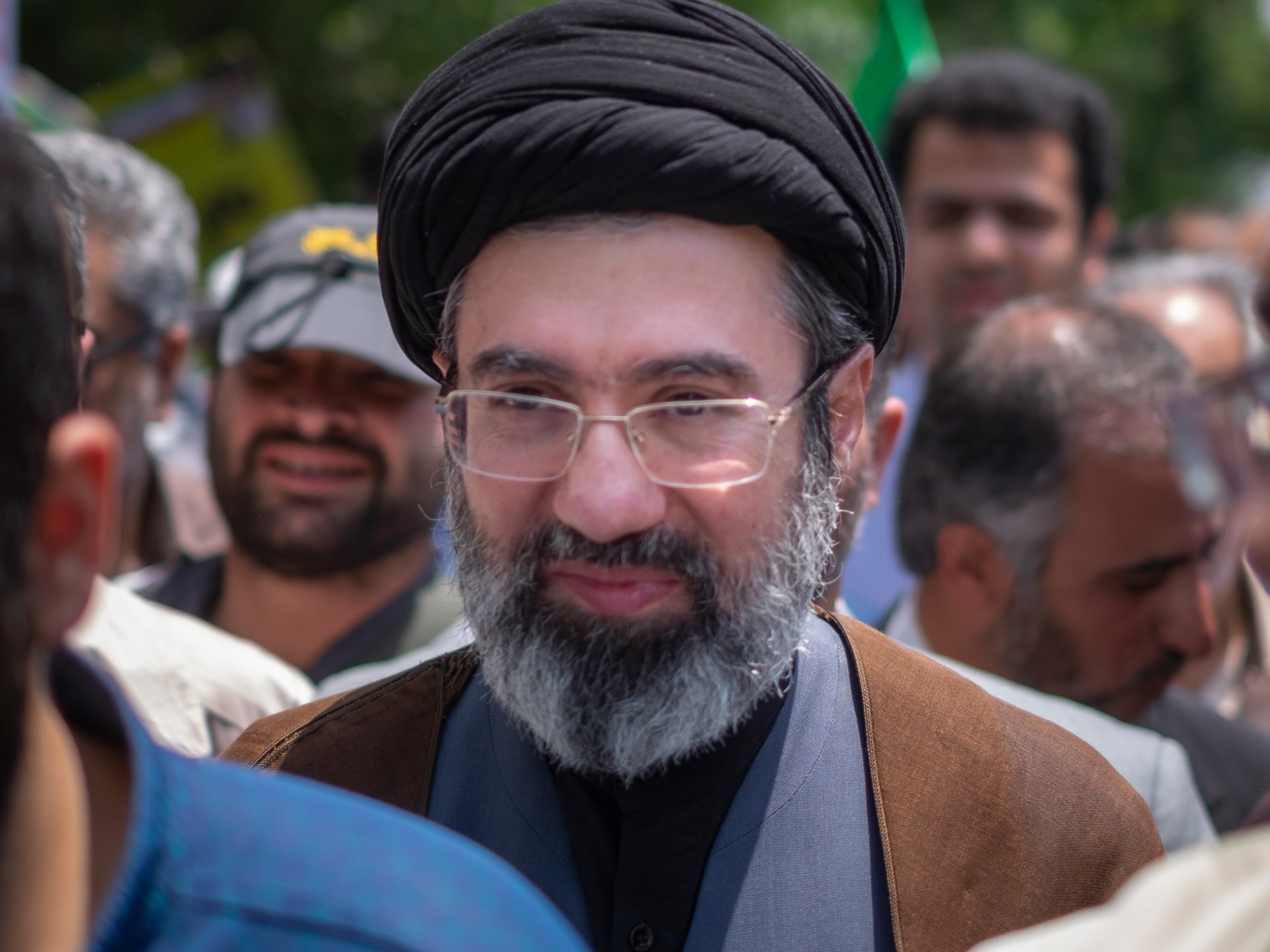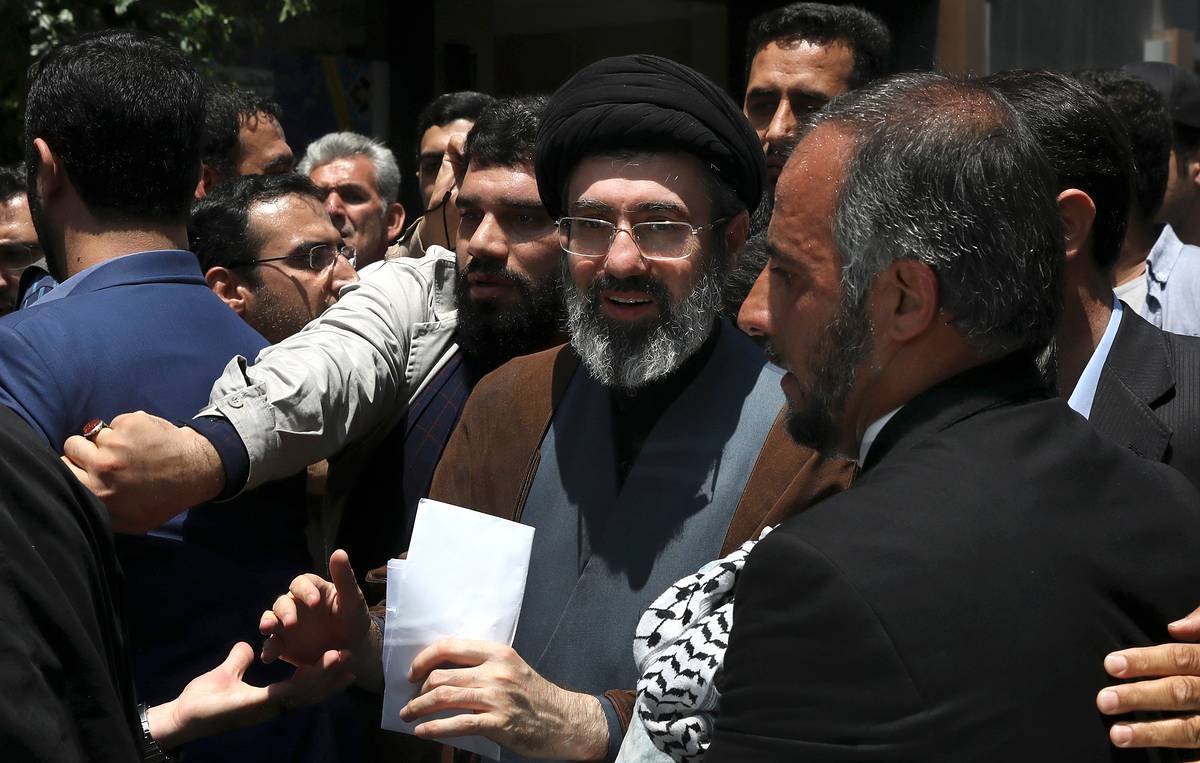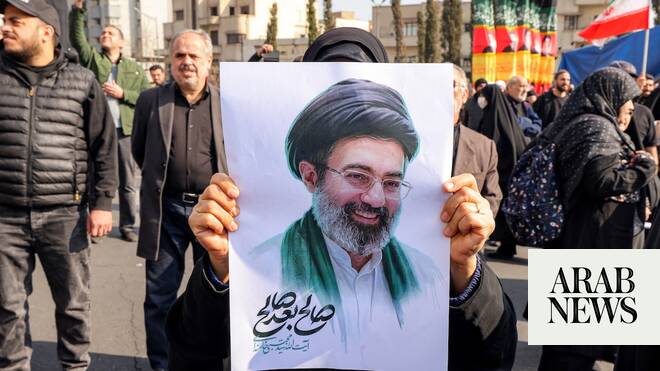
DUBAI: Mojtaba Hosseini Khamenei, a Shiite cleric and longtime political insider, became Iran’s third supreme leader on Sunday, ascending to Iran’s top position following the assassination of his father, Ayatollah Ali Khamenei.
His elevation to the country’s highest political and religious office marked a historic moment for the Islamic Republic, placing a member of the ruling family directly at the helm of the state.
It’s a move that some thought would be too reminiscent of a monarchy to take place. The Islamic Republic was founded in 1979 after the monarchy was overthrown and its ideology is based on the principle that the supreme leader should be chosen for his religious standing and proven leadership, not through hereditary succession.
According to the BBC, one member of Iran's Assembly of Experts - the clerical body that selects the supreme leader - said two years ago that Ali Khamenei opposed the idea of his son being a candidate for future leadership. But he had never publicly addressed such speculation.
For years, Mojtaba had been viewed as one of the most influential figures within Iran’s political establishment, operating largely behind the scenes while maintaining close ties with powerful security institutions, particularly the Islamic Revolutionary Guard Corps (IRGC).