Trump is choking off oil imports to the communist nation, plunging it into a crisis not seen since the fall of USSR
O
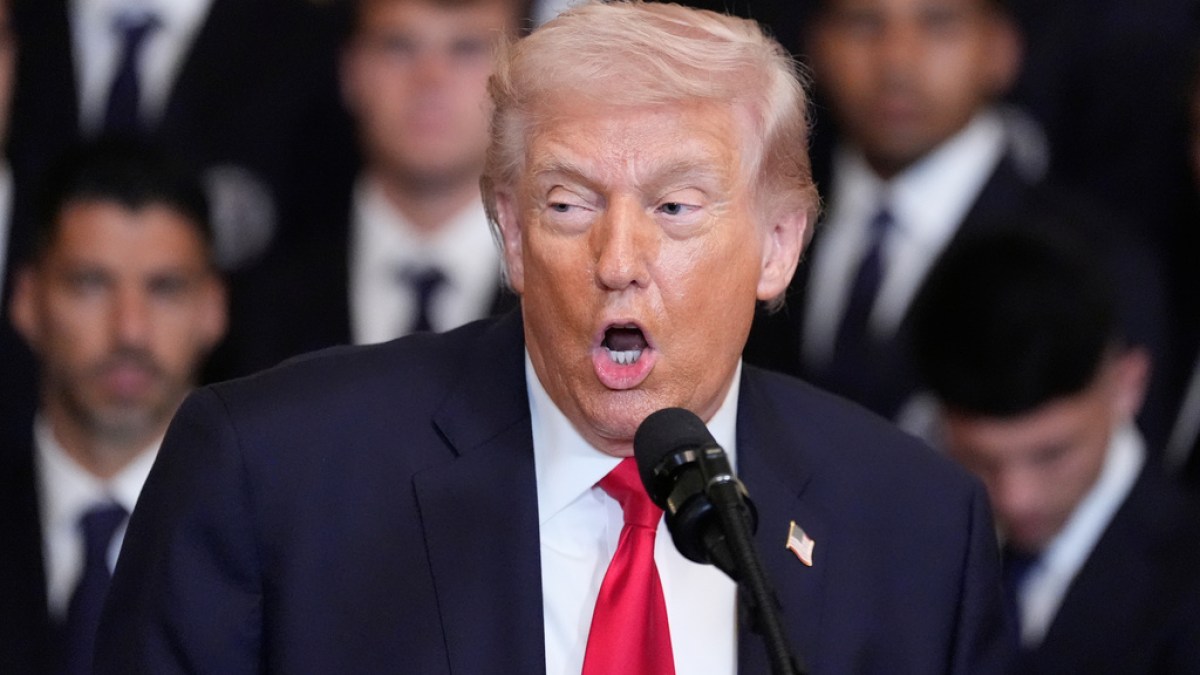
n 29 January this year, after the kidnapping of Venezuela’s Nicolás Maduro but before the assassination of Iran’s Ayatollah Khamenei, President Trump turned his attention to another country. He issued an executive order declaring a national emergency against the government of Cuba, ruling it an “unusual and extraordinary threat” to the United States and threatening to impose tariffs to stop ships from carrying petroleum to Cuba. It was an evident bid for regime change.
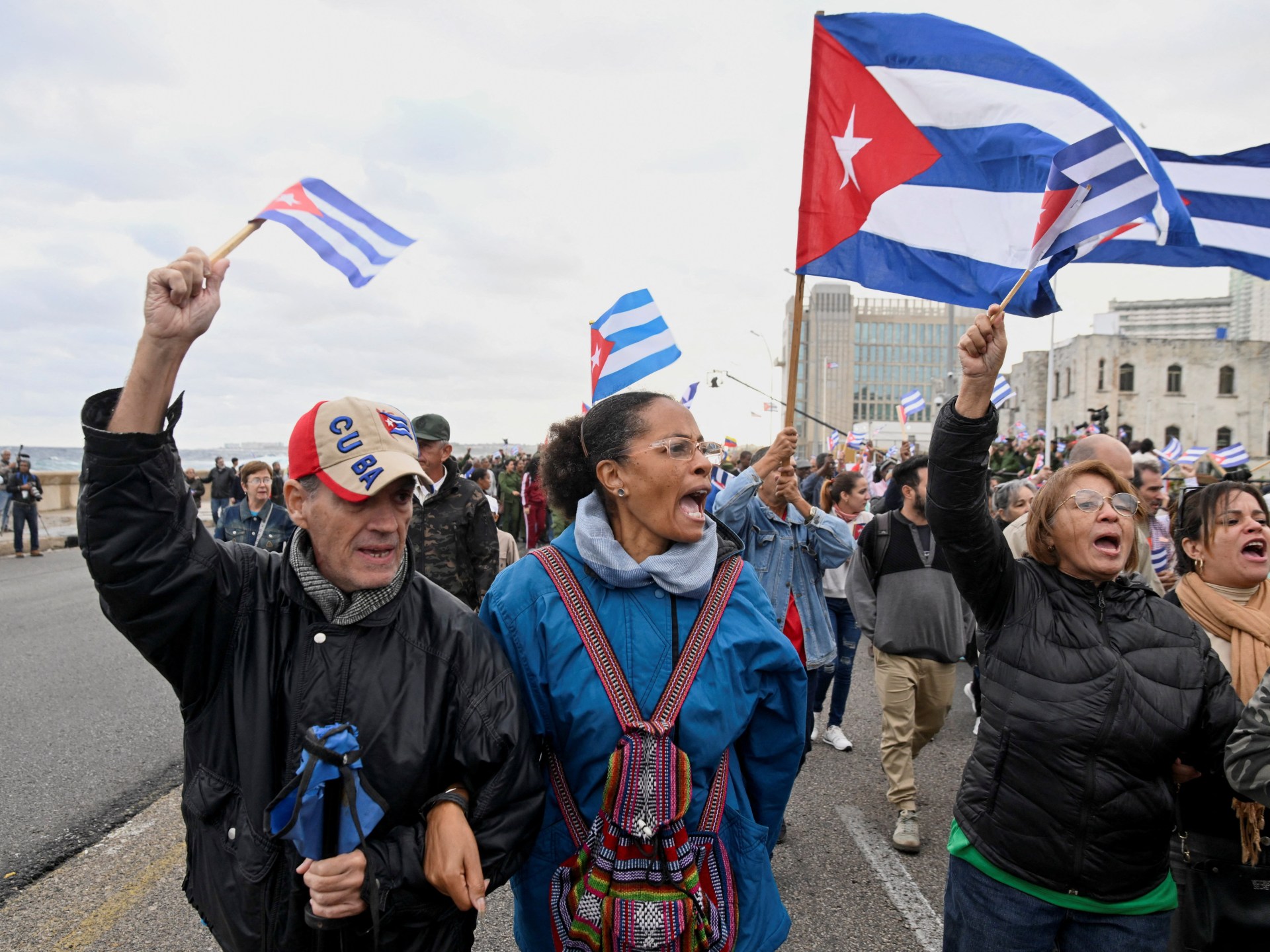
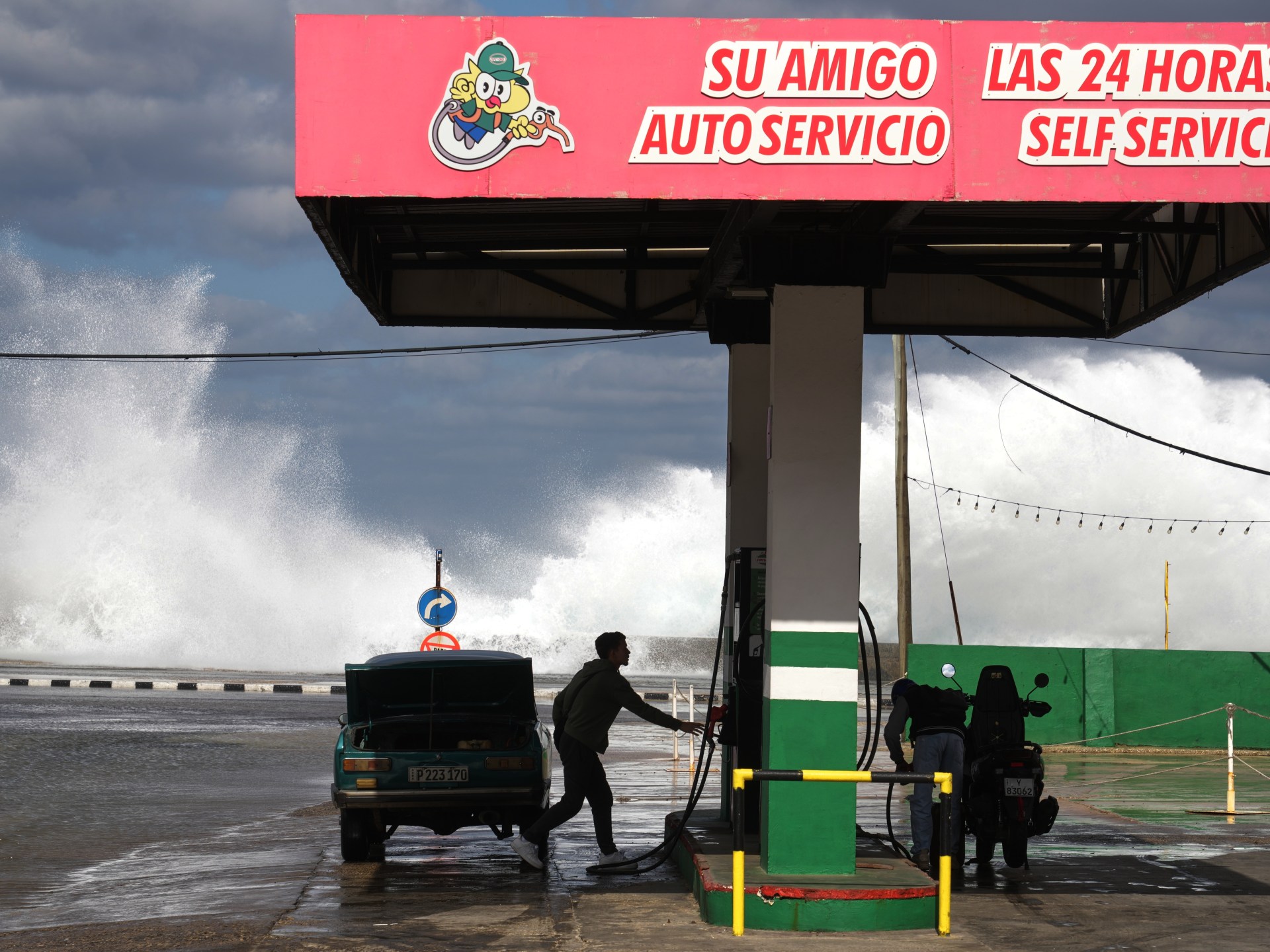
The actions to deny oil to Cuba have severely exacerbated a growing crisis on the island, with even some US congressional representatives denouncing the measures. Cuba produces about one-third of its own oil needs and imports the rest – mostly from Venezuela and Mexico. After the US attack on Venezuela and the tariff threat, both countries completely halted oil exports to Cuba. Since early February, the length of daily power outages has doubled, lasting about 18 hours a day.
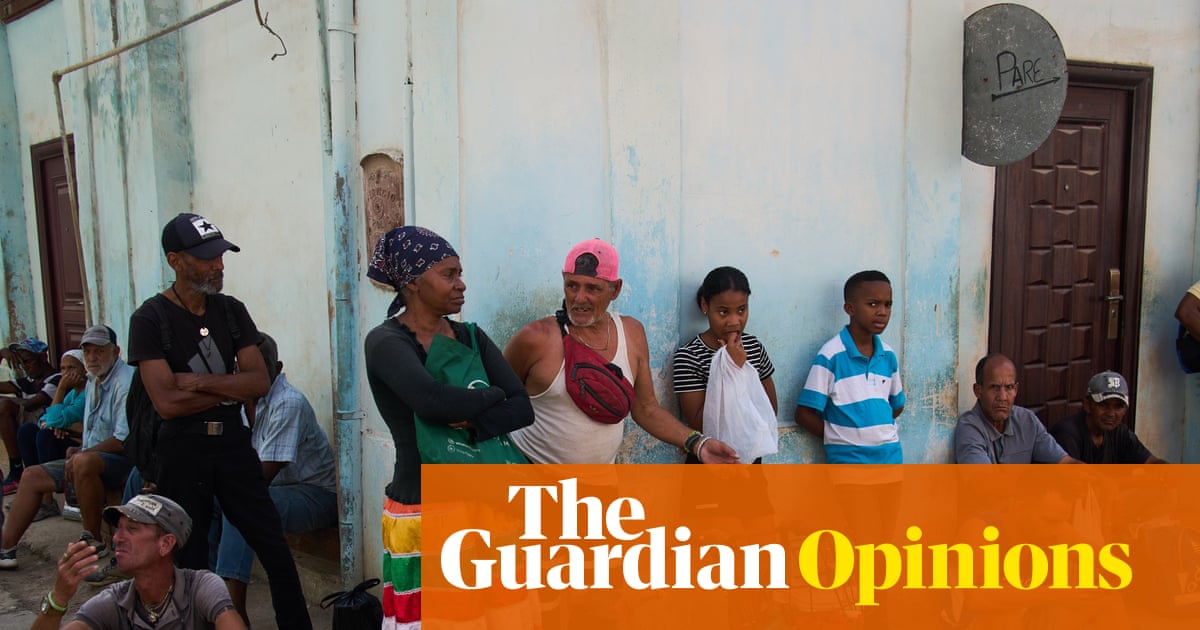
I began travelling and researching in Cuba more than 12 years ago, before Barack Obama’s historic opening and normalisation of relations from 2014 to 2016 – a period of economic effervescence and great hope, of young people making plans, ideas flourishing, US tourism surging and private businesses popping up everywhere. Cuba during the Obama administration felt like a very different place than it does at this moment, where desperation is setting in – as I saw first-hand on my latest trip.