Interpol’s DNA unit is helping bring closure to families of murder victims, whose names may be unknown for decades
I
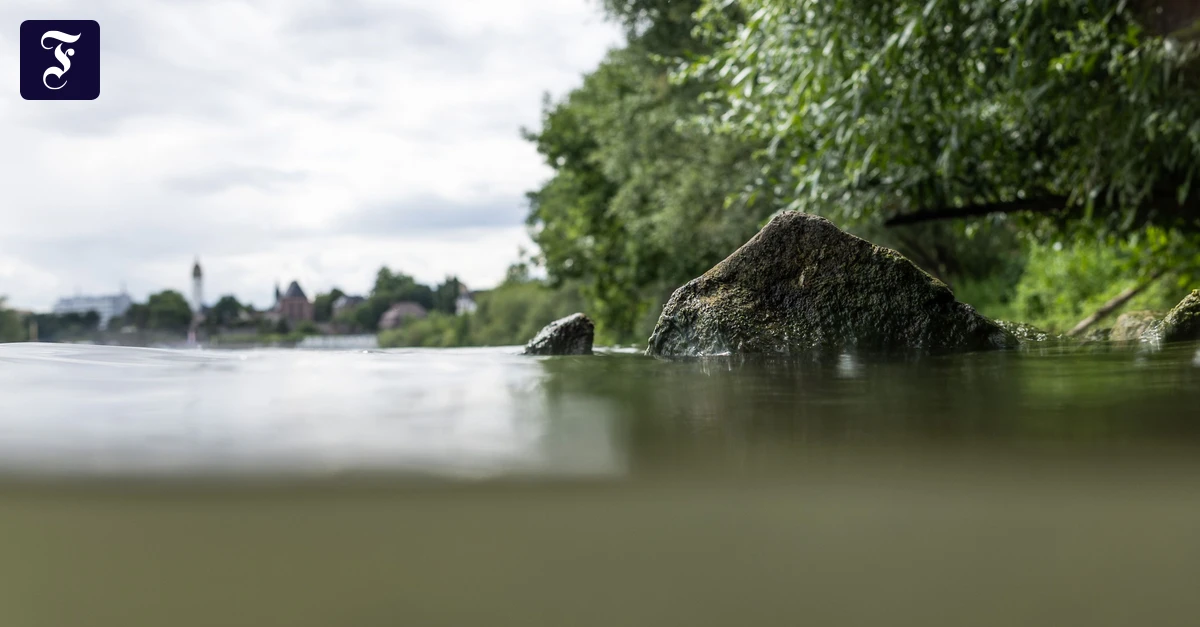
n the shadow of Antwerp’s main arena, close to the city’s docklands, runs the Groot Schijn River. It was here that the body of Rita Roberts was discovered in June 1992, floating against the grate of a water treatment plant.
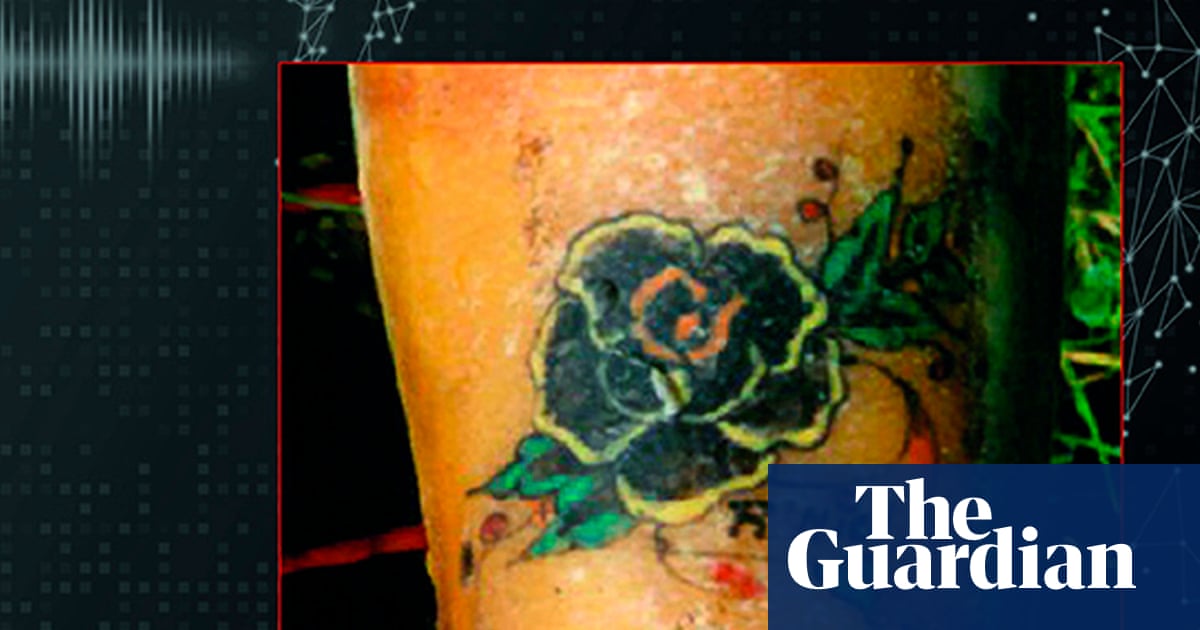
She appeared to have been murdered, but Belgian police were unable to identify her. A tattoo of a black rose with green leaves and initials on her left arm was their only clue.
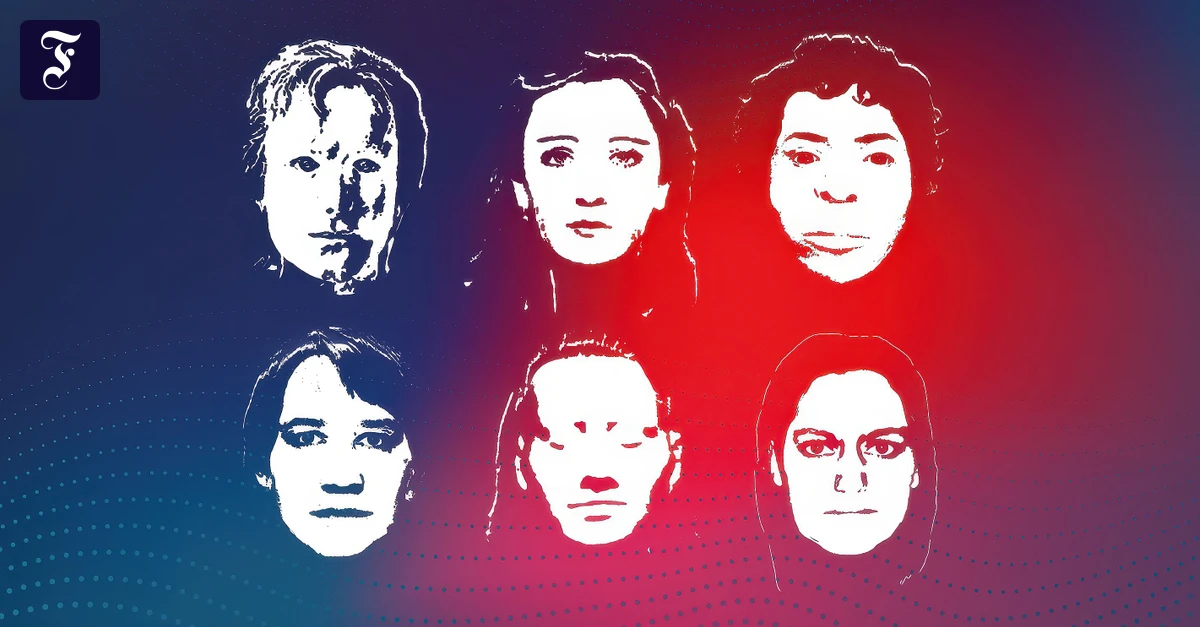
Without knowing her name, police struggled for leads on who could have killed Roberts. Her case remained in limbo for almost three decades until police in the Netherlands realised that a large number of their own cold cases were also unidentified women, such as Roberts, who had been murdered or died in suspicious circumstances.